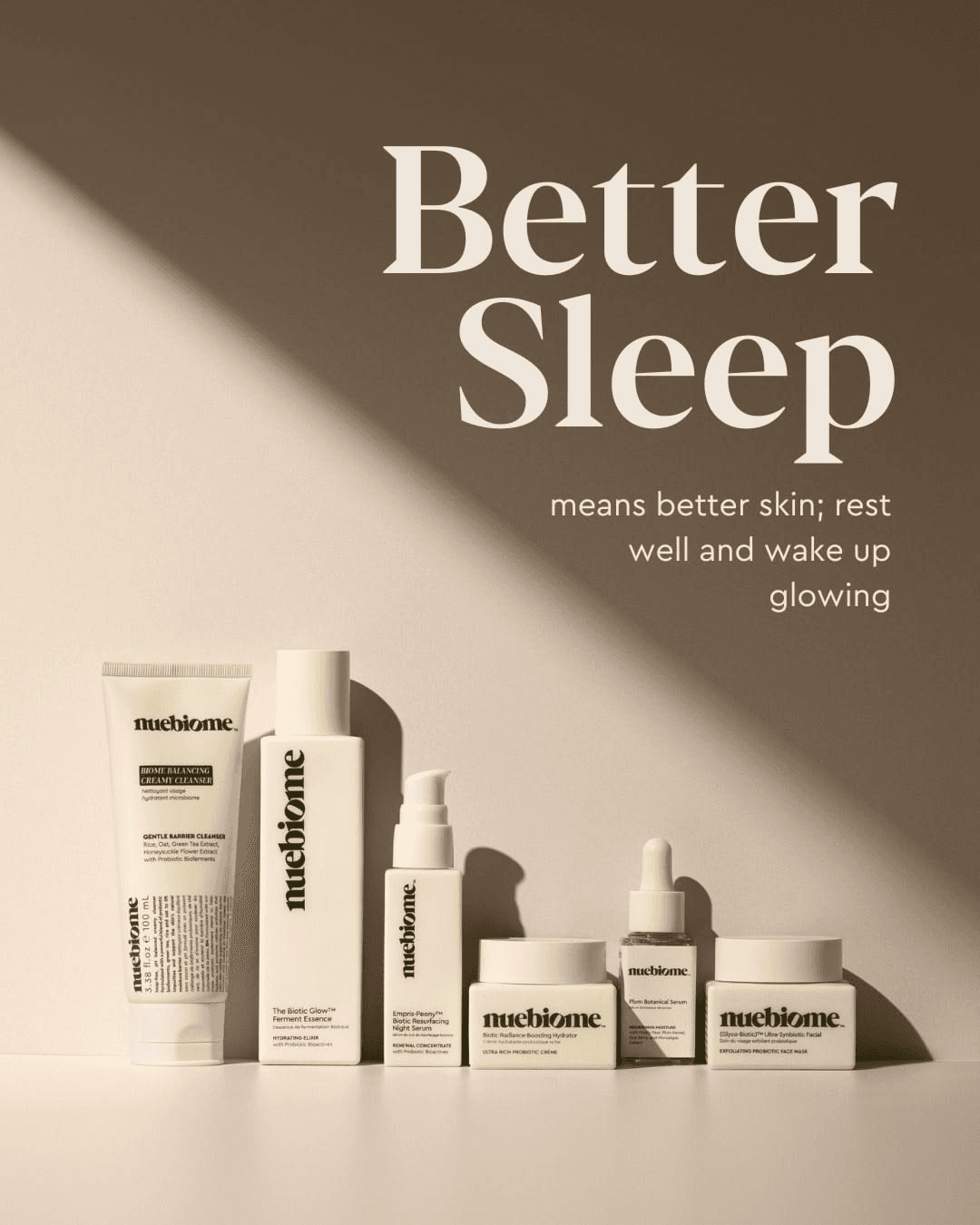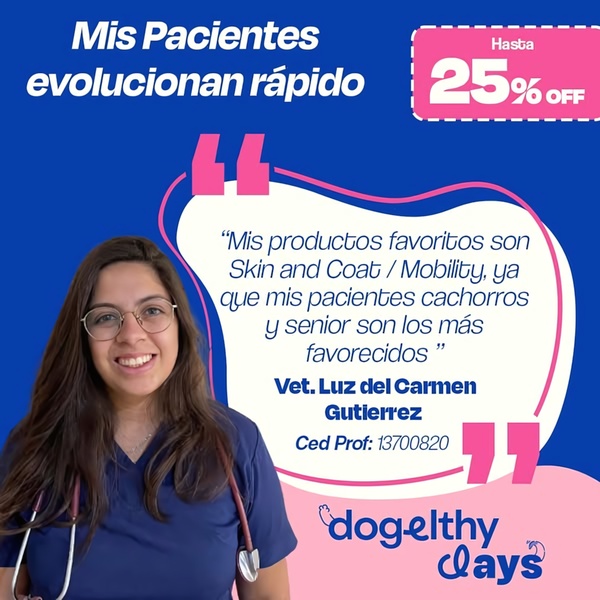
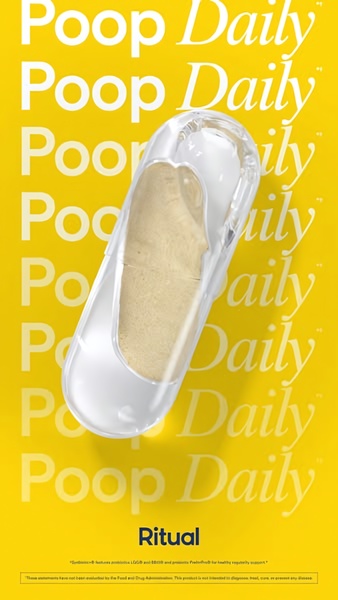

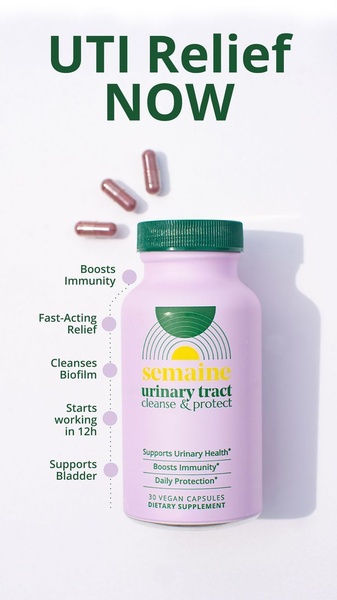
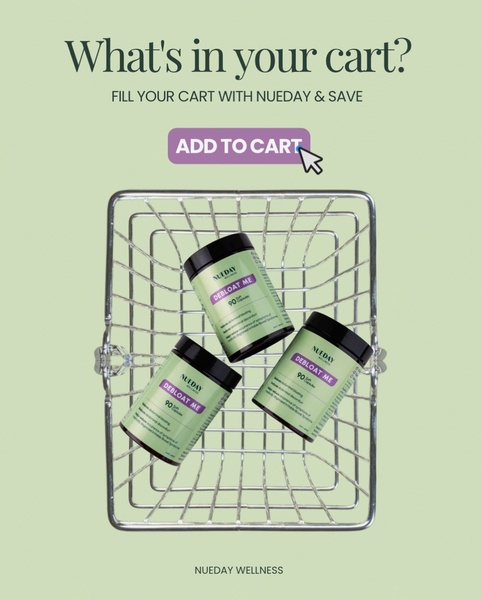
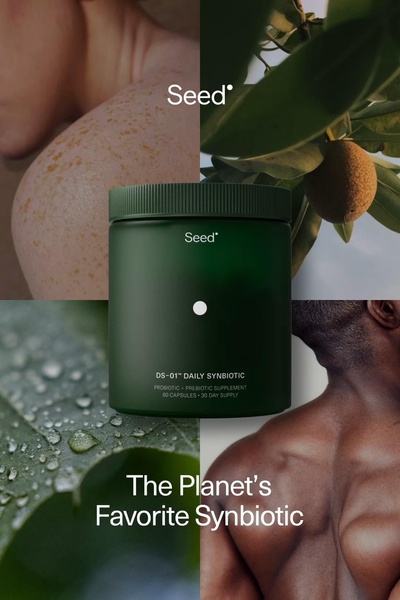

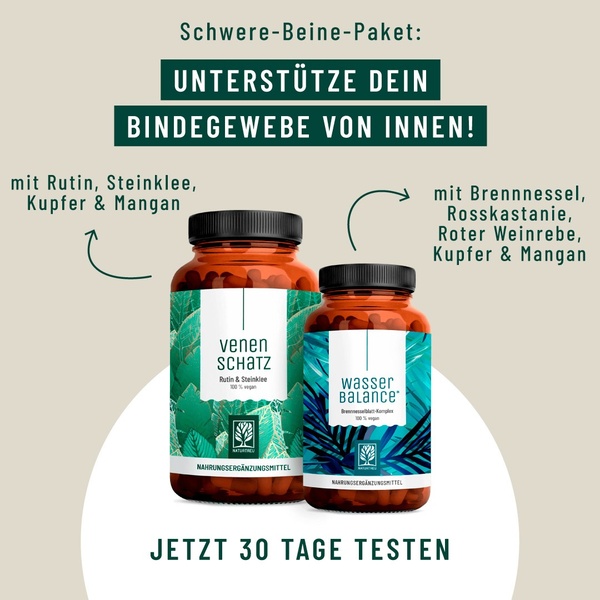
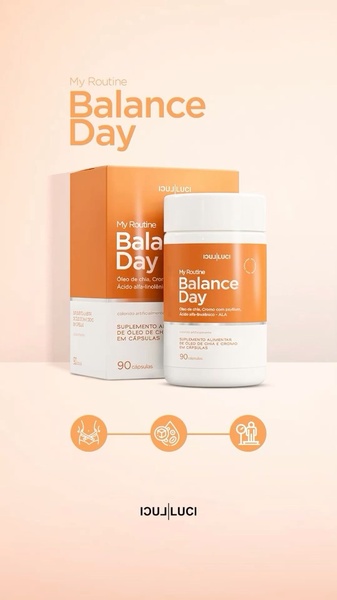
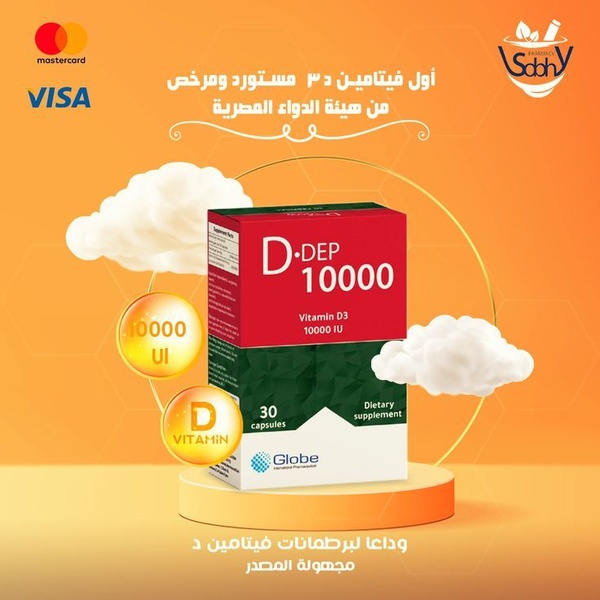
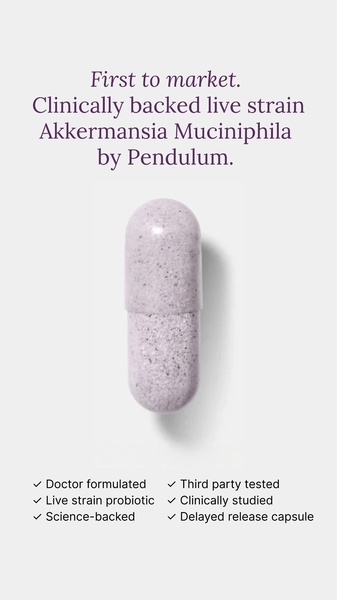
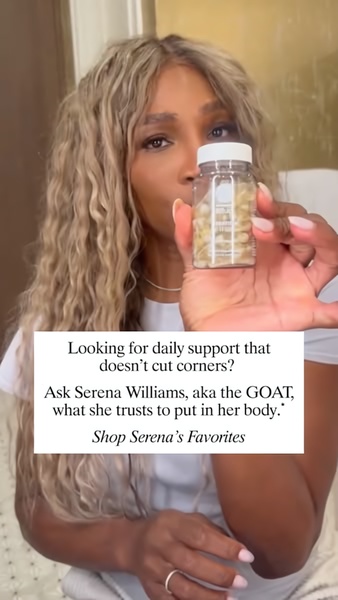

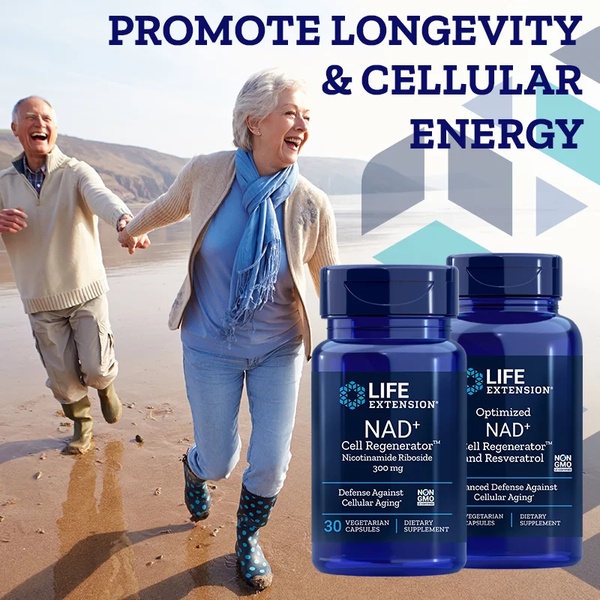

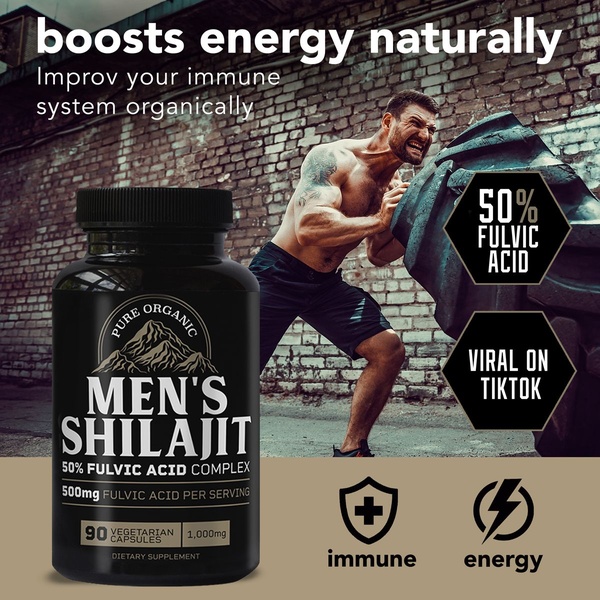
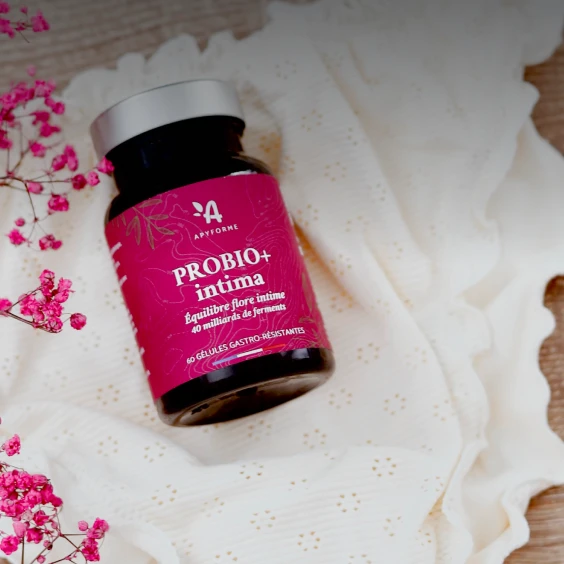
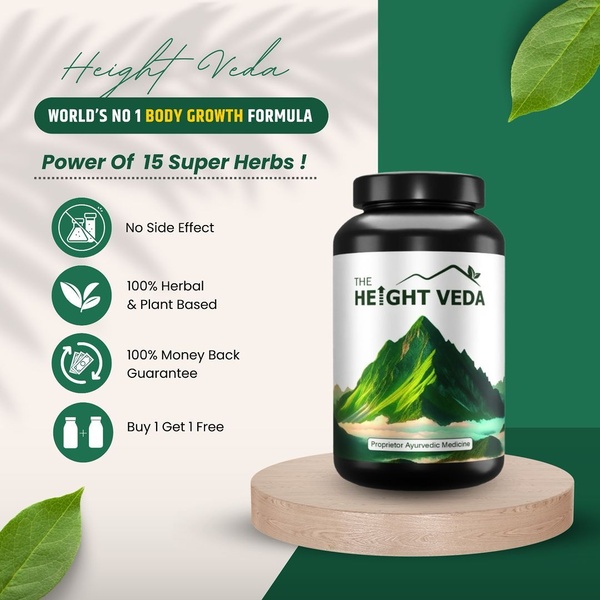
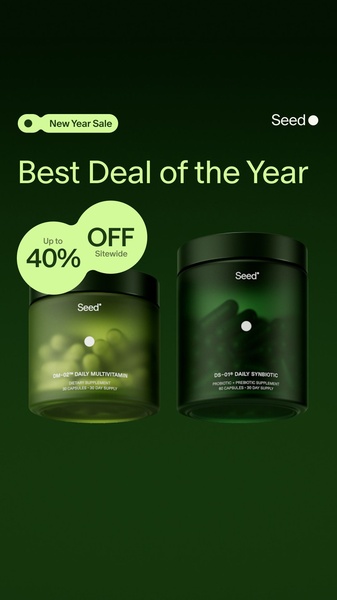
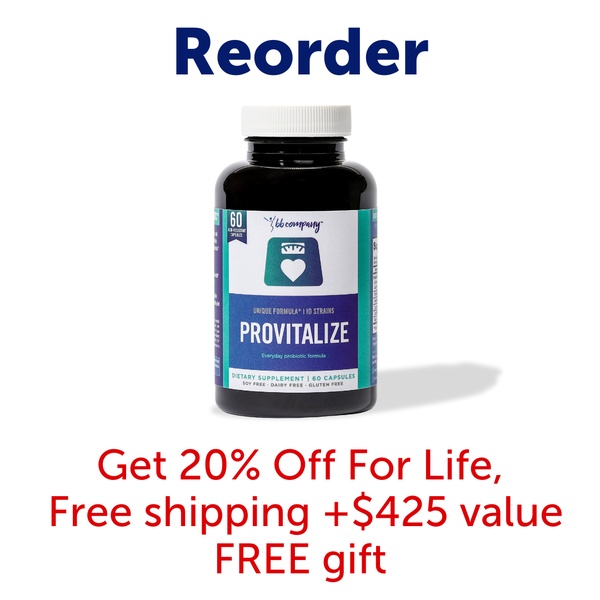
In healthcare advertising, the biggest risk isn't a weak ad - it's a non-compliant one
Most product categories reward the boldest claim. Healthcare punishes it. A supplement or wellness ad that promises a specific outcome - a number of pounds lost, a condition cured, a symptom gone in a week - isn't just risky marketing; it can violate FTC substantiation rules and FDA regulations on what a dietary supplement is allowed to say. The most dangerous ad in this category is the one that converts well and can't be defended.
That reality flips the creative priority. Where other categories ask "how do we stand out," healthcare advertising has to ask "how do we build trust within the lines." The brands that win long-term lead with credibility markers a regulator and a skeptical buyer both accept: third-party testing, clinical backing, doctor formulation, transparent ingredients, and the required disclaimers shown rather than hidden. Trust is the product, and compliance is what protects it.
None of this is a substitute for your own legal and regulatory review. This page describes advertising patterns, not compliant claims for your specific product - what a supplement can say varies by ingredient, market, and platform, and only your regulatory and legal team can confirm what's permitted. The goal here is a credible, well-structured ad; the claims inside it are yours to verify.
How Promer AI builds your healthcare ad from credible positioning and your verified claims?
Getting the credibility structure right still leaves the headline, the copy, and the CTA unwritten - and every claim in them subject to your review. That's the part Promer AI handles from your actual product page, with the compliance decision staying with you.
Paste your product page and the AI reads it, pulling out the credibility markers (testing, formulation, ingredients), the benefit area, and the buyer you're reaching. It then writes the headline, body, and CTA on top of the winning structure you picked.
Review every claim before it runs - generated creatives can have mistakes, and in this category a mistake can be a compliance problem. Confirm every health-related statement, required disclaimer, and benefit claim against current FDA/FTC guidance and your product's substantiation before publishing. This isn't legal or medical advice.