


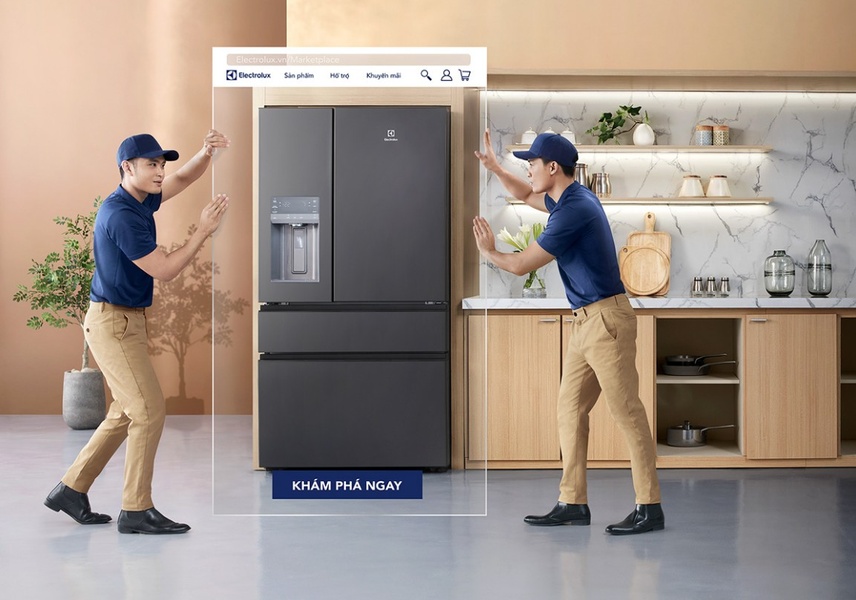
You Can't Photograph Cold, So a Fridge Ad Opens the Door
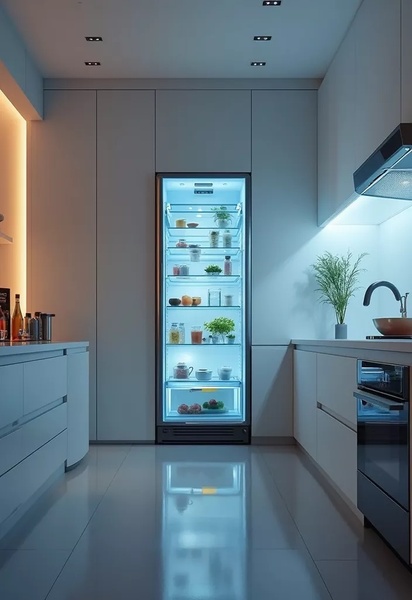
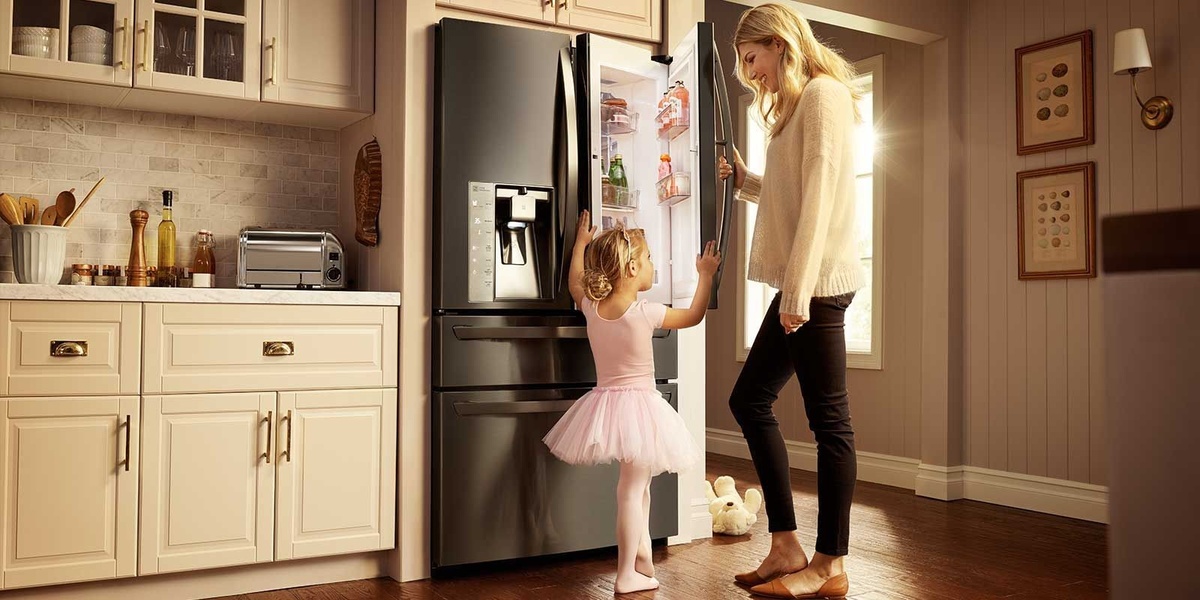
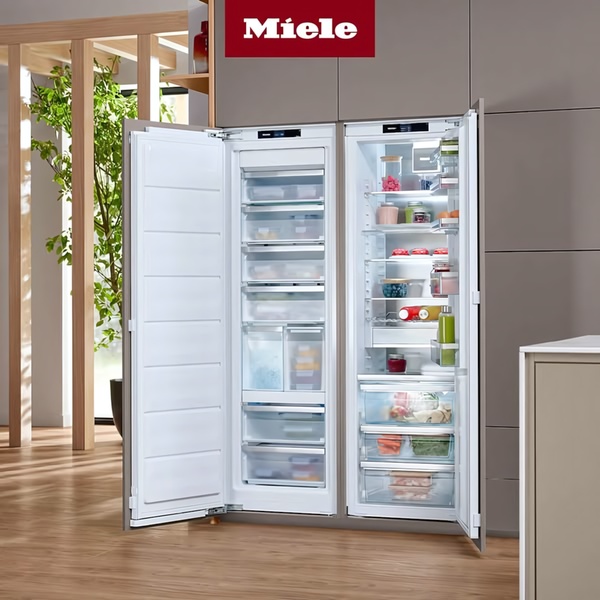
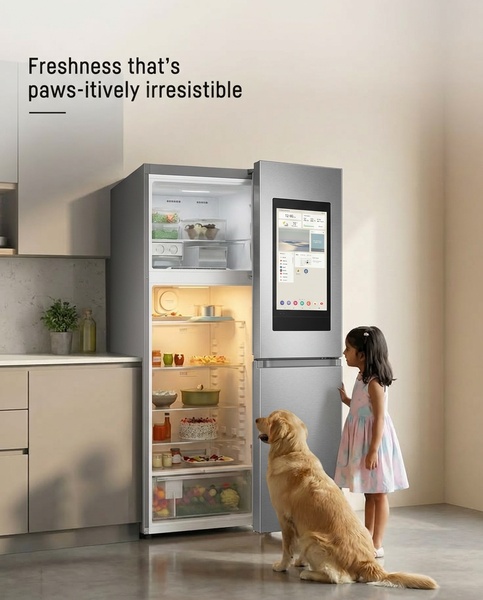
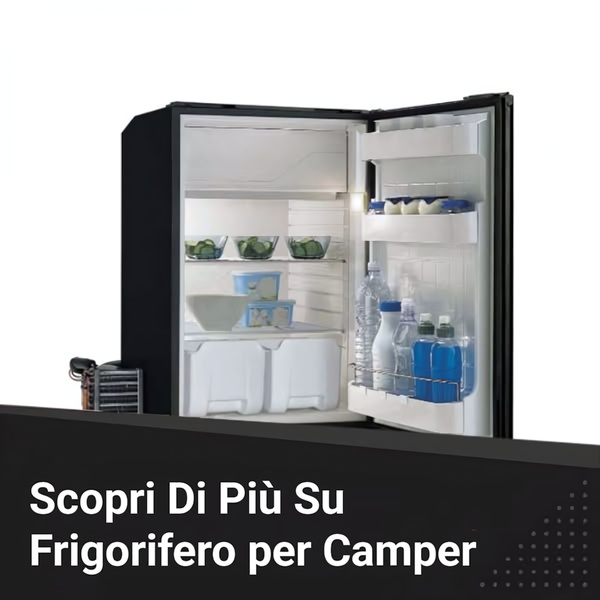
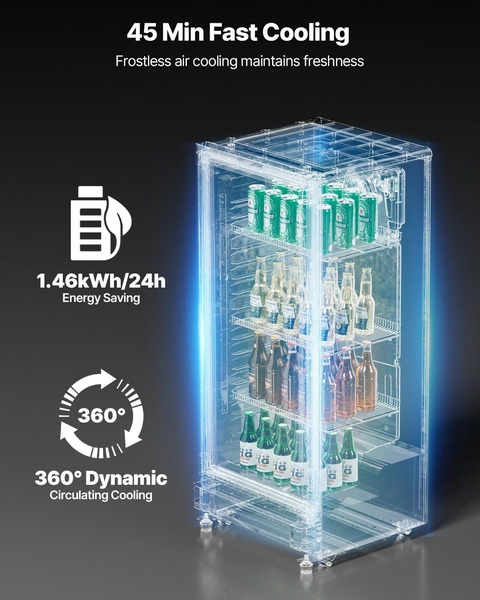
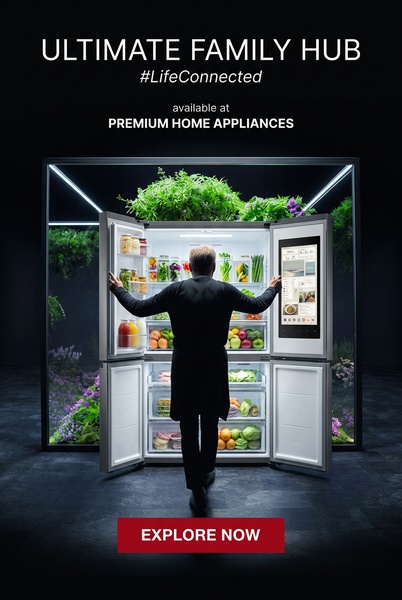
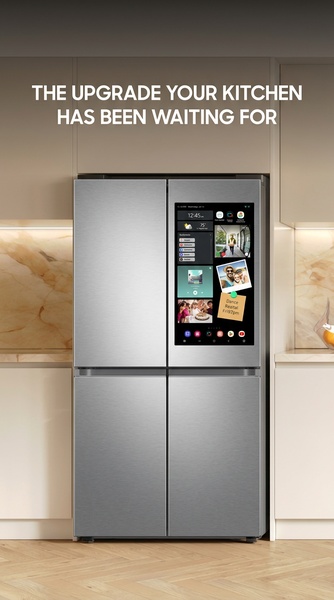
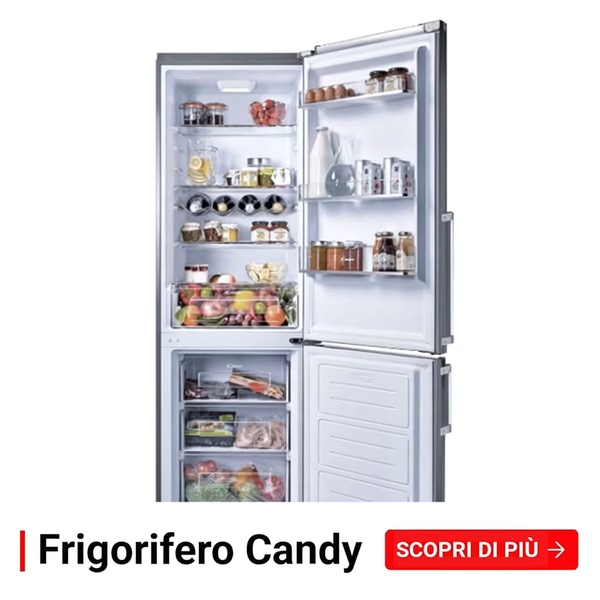
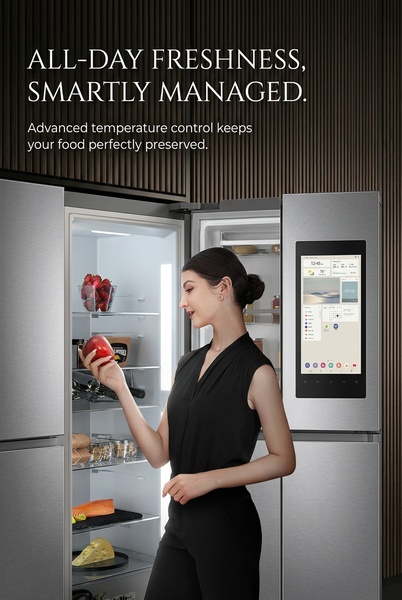
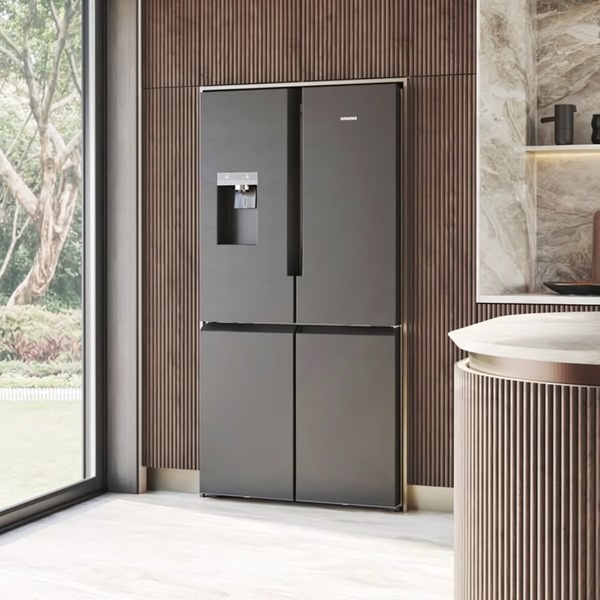
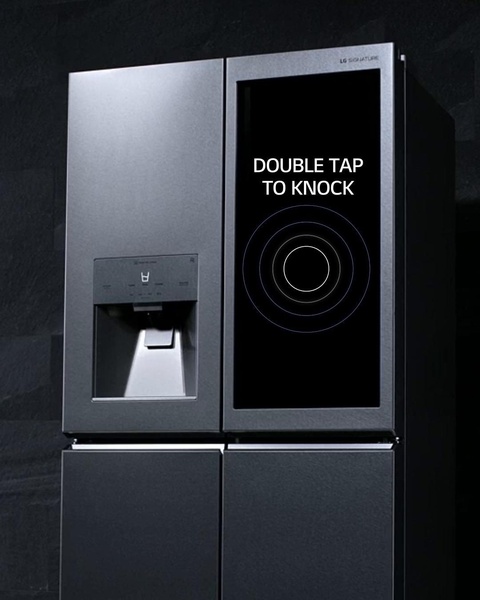
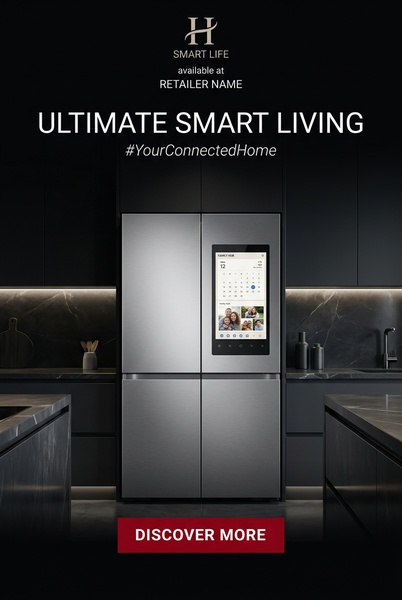
Closed, a fridge is a rectangle in a finish. Almost every creative in this library opens it: lit shelves, a stocked door bin, an egg tray, a whole wall of drinks standing upright. The interior is the argument and the exterior is packaging. The exception proves it - the door only earns the hero shot when the door itself is the feature, like a built-in screen, a panel that lights up when you knock on it twice, or a finish shot in a kitchen designed around it.
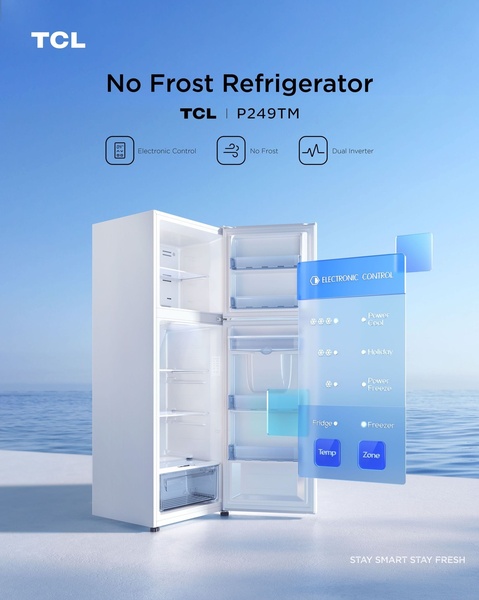
Cold has no photograph either, so these ads hire a stand-in. Penguins on an iceberg behind a side-by-side. A fish drawn half above and half below a waterline to carry a fast-freeze claim. Frost, blue light, water, ice. When a brand can't show the thing it sells, it shows a metaphor for it, and in this category the metaphor is doing more work than the product shot.
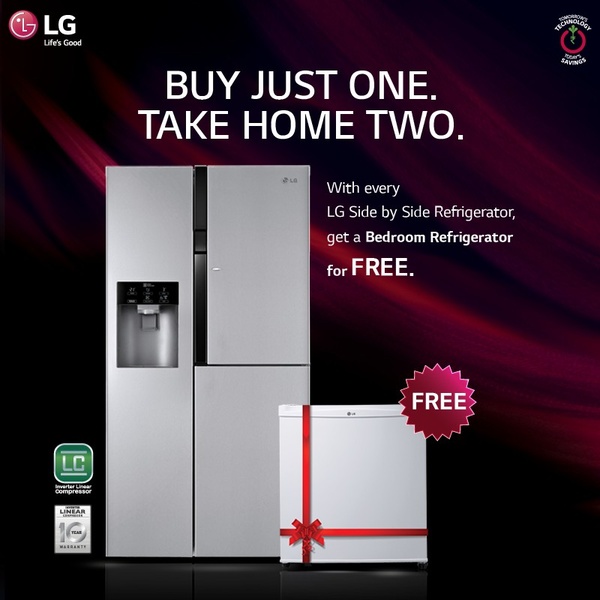
The objection that actually kills a fridge sale is fit. This is the largest object most buyers will ever put in their kitchen, and they are measuring a doorway while they scroll. That's why capacity in cubic feet or litres sits right on the creative, why the configuration gets named rather than shown - side by side, French door, four-door, integrated column - why the unit is photographed inside a real room for scale, and why a delivery crew carrying one up to a house is its own ad. The same room-context problem runs through the furniture ad templates, where a buyer is doing arithmetic before they're doing desire.
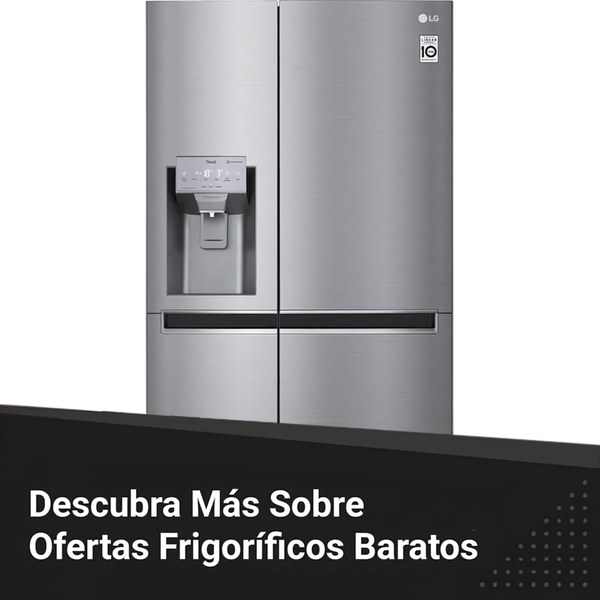
One keyword also covers three unrelated businesses here. Household refrigerators lead with feature and finance, portable 12V units are sold like outdoor gear on a tailgate with a quart capacity and a temperature range, and the consumables orbiting the category - water filters with a stated lifespan, child locks - sell on a replacement cycle instead. Running cost cuts across all of them: a fridge is the one appliance that never switches off, so a daily kWh figure works as a price argument rather than a spec, in a way it never does elsewhere in the electronics ad templates.
How Promer AI Builds Your Fridge Ad From the Capacity, the Interior, and the Offer?
Deciding whether to open the door, name the capacity, or lead with the trip still leaves the headline, the visual direction, and the CTA unwritten. That's the part Promer AI handles from your actual listing rather than a blank brief.
Paste your product page and the AI reads it, pulling capacity and dimensions, the configuration, the finish, energy consumption, the one feature worth naming, the warranty, and the price or installment terms. It then writes the headline, body, and CTA on top of the winning structure that matches - an open-interior hero, a kitchen-context frame that answers scale, a spec-icon layout for a portable unit, or an offer layout for a bundle.
Review before it runs - generated creatives can have mistakes, and here the tells are a handle, hinge, or dispenser that doesn't match your model and a shelf layout that doesn't exist in the unit you ship. Energy figures and efficiency ratings are printed on a regulated label that differs by market, so the number in the ad has to match the label for that exact model, and capacity and dimensions have to match too, because this buyer measures. Keep preservation claims to what you can substantiate, honor whatever the ad promises about delivery, installation, and warranty, and confirm your rights if you're a retailer placing a manufacturer's logo on the creative.