












Yoga and Pilates advertising sells a practice, not a performance metric
A fitness supplement ad needs to prove a result: stronger, faster, leaner.
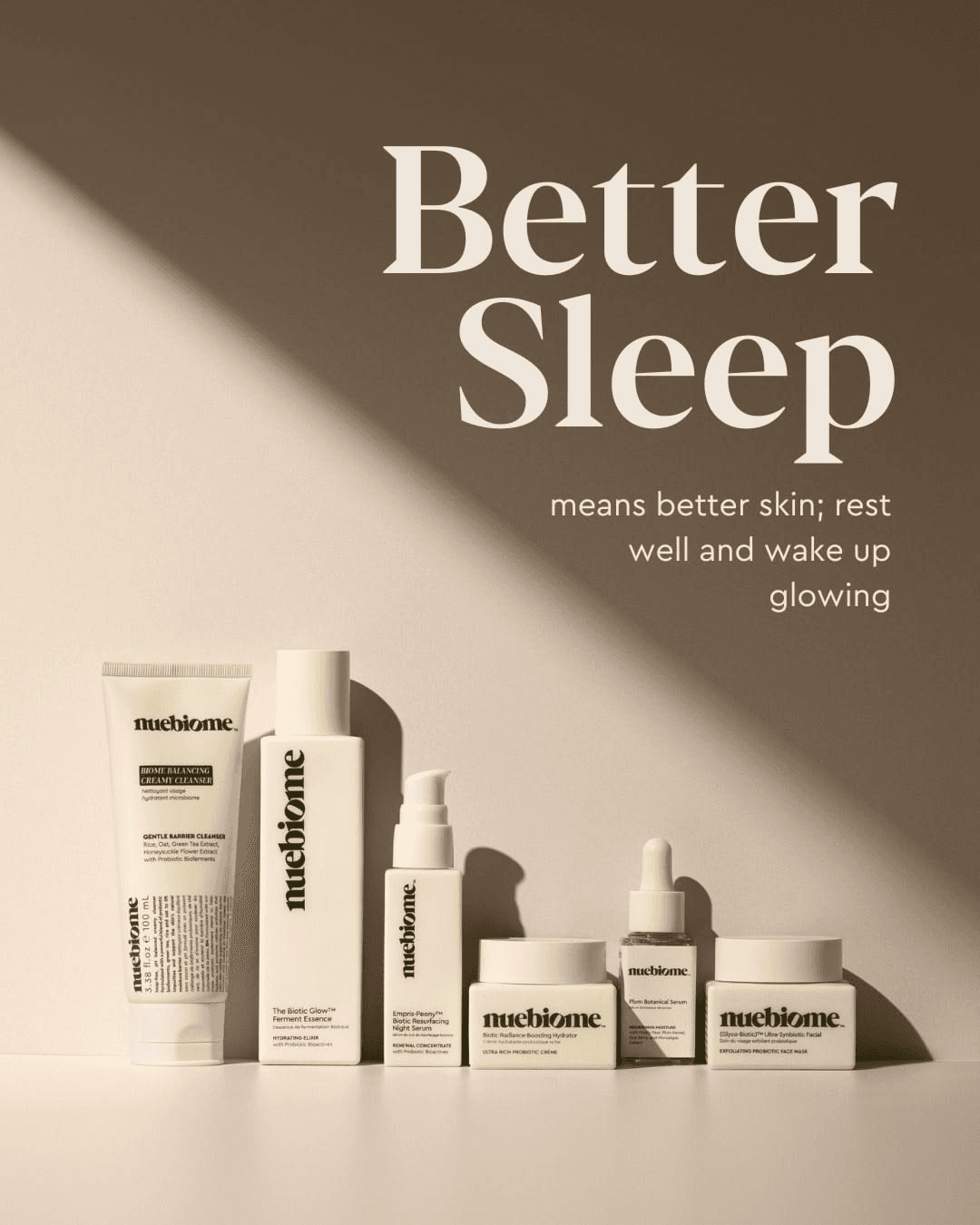
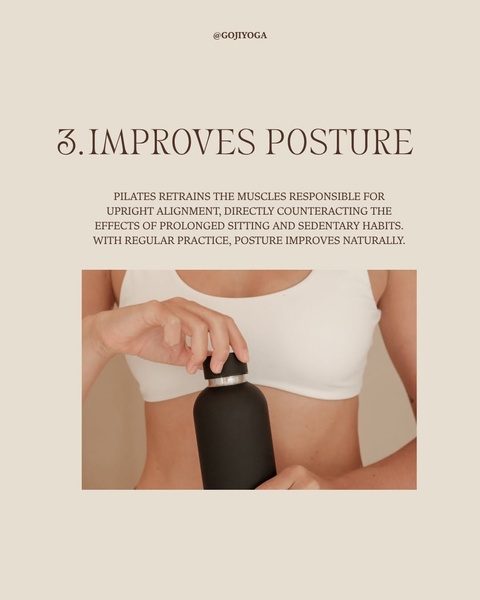
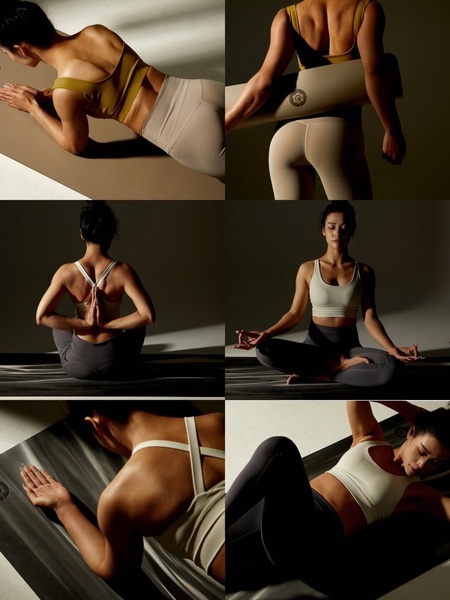
A yoga or Pilates ad has to do something harder - it has to make the buyer feel the practice before they've unrolled a mat. The visual language is almost the opposite of performance fitness: slow, earthy, minimal, deliberately quiet.
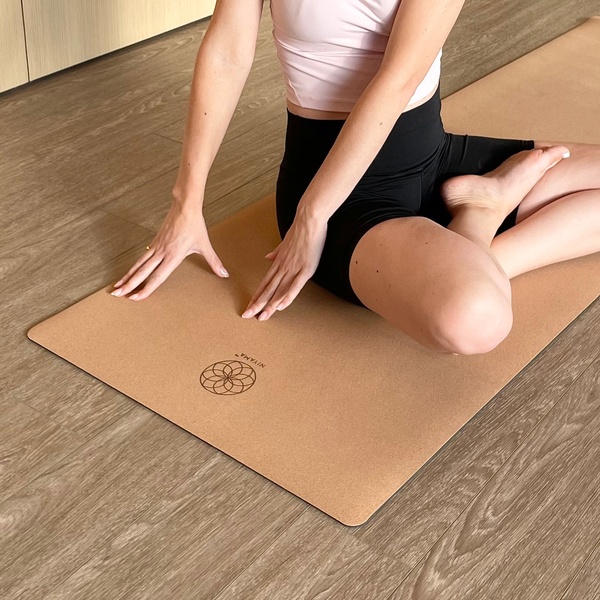
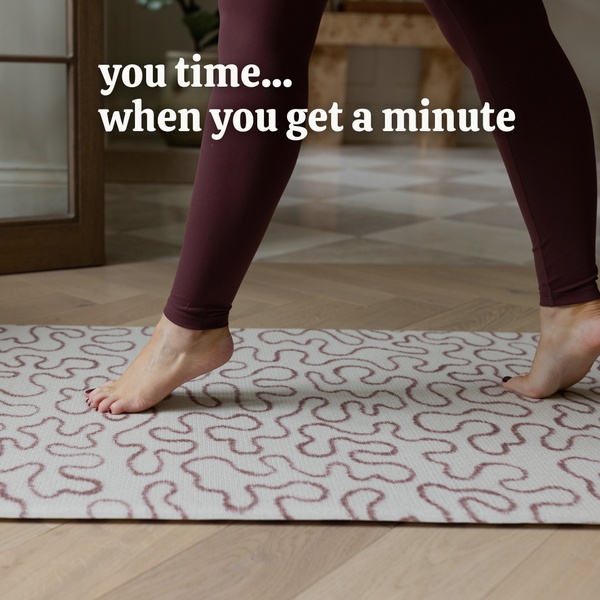
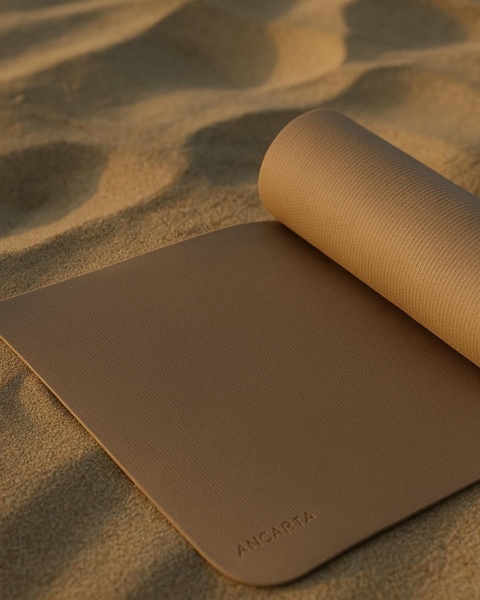
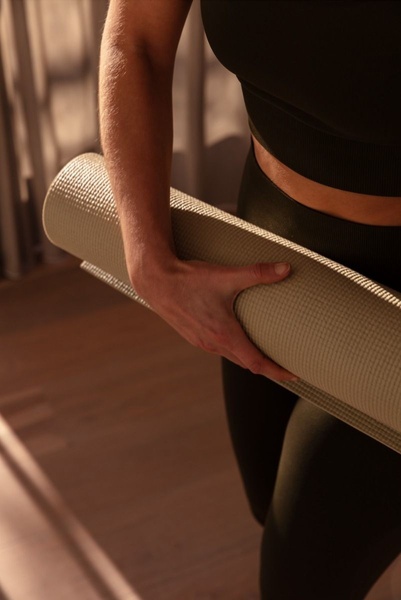
Natural materials in warm light, a mat being rolled out on a wooden floor, a silhouette in stillness - these work because they match the internal state the buyer is hoping to cultivate, not the external result they're measuring.
That also splits the category into two audiences with almost nothing in common creatively.
A mat or equipment buyer is evaluating material, grip, sustainability credentials, and whether the product's aesthetic matches the practice they're building.
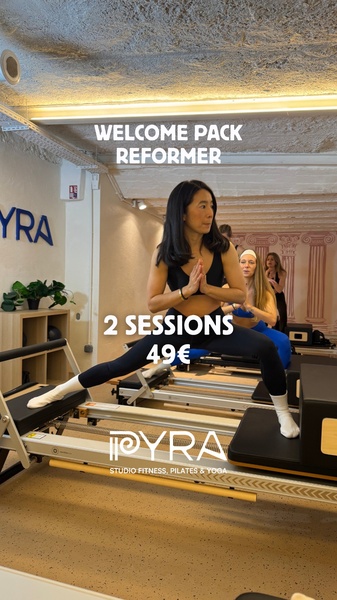
A studio or class buyer is evaluating trust, schedule access, and whether the intro offer is low enough friction to try.
A yoga mat ad that leads with an intro offer reads as wrong-category; a studio ad that leads with a cork material close-up doesn't answer the buyer's question. Getting this split right is the first decision in every yoga and Pilates campaign.
How Promer AI writes your yoga or Pilates ad from product material, practice identity, and buyer entry point?
Knowing whether to lead with the mat's material proof, the studio's intro offer, or the practice's identity still leaves the visual direction, the copy, and the CTA entirely unwritten. That's the part Promer AI handles from your actual product or studio page rather than a blank brief.
Paste your page and the AI reads it, pulling out the material or service, the practice it belongs to, the brand's aesthetic register, and the buyer's entry point - first-time practice, regular practitioner, or a studio switching audience. It then writes the headline, body, and CTA on top of the winning structure you picked. Review everything before it runs - generated creatives can have mistakes.