









A TV ad has to prove two completely different things - and most only prove one
Every TV buyer has two questions, and they run in sequence.
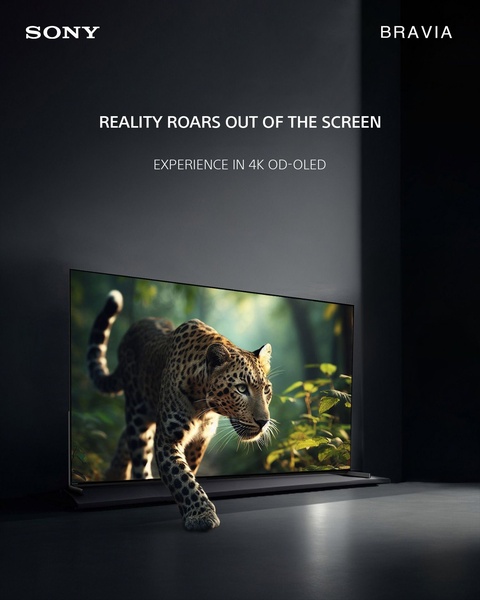
- First: does this display make content look extraordinary?
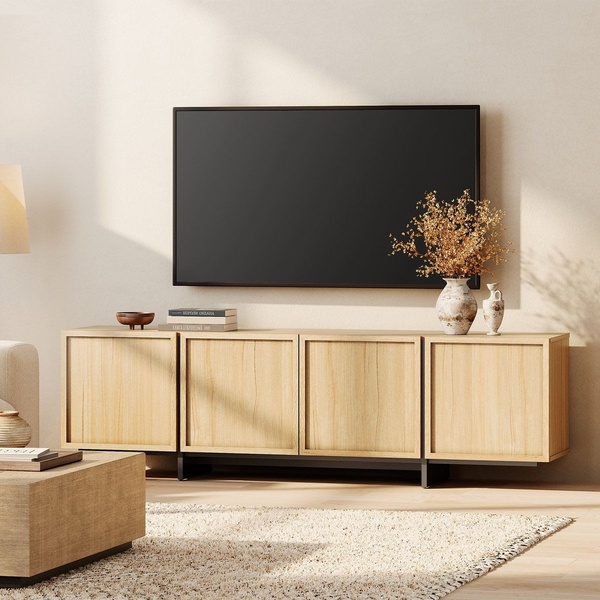
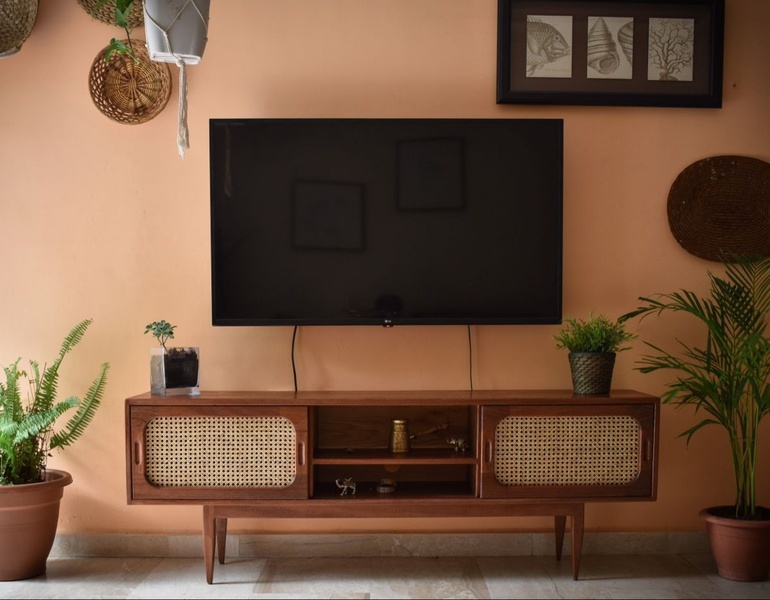
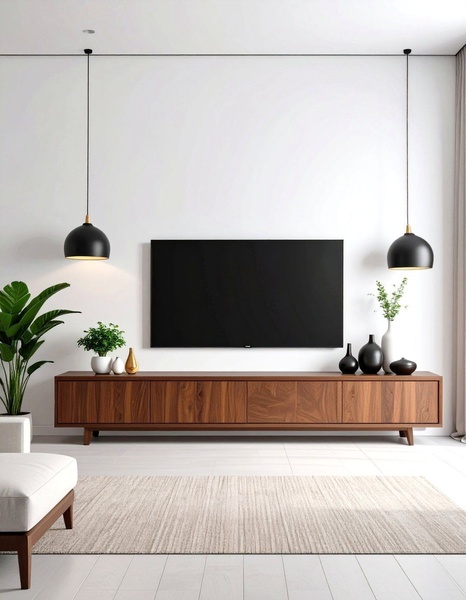
- Second: will it look right in my living room? Most TV ads answer the first question well and skip the second entirely.
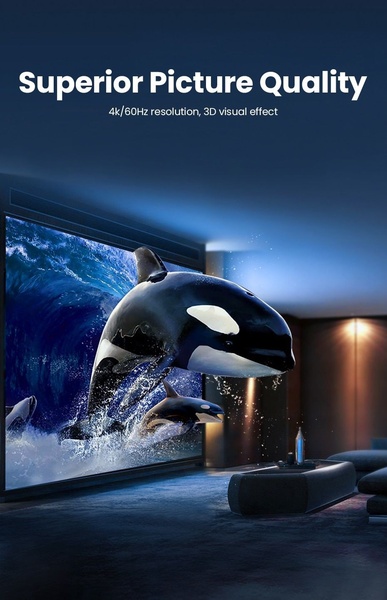
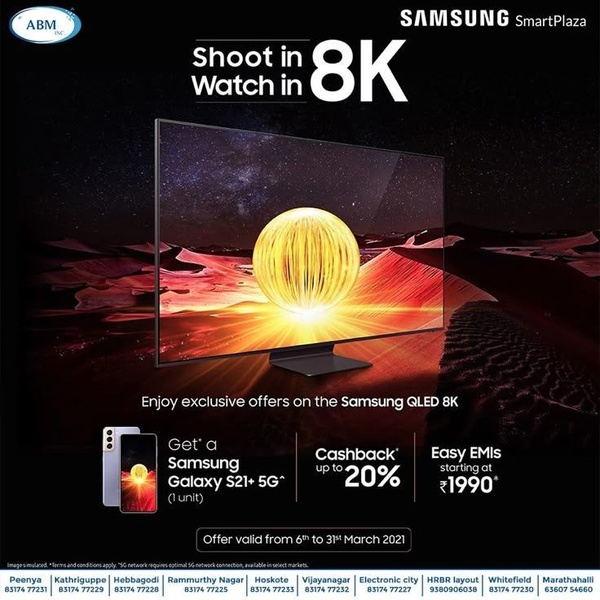
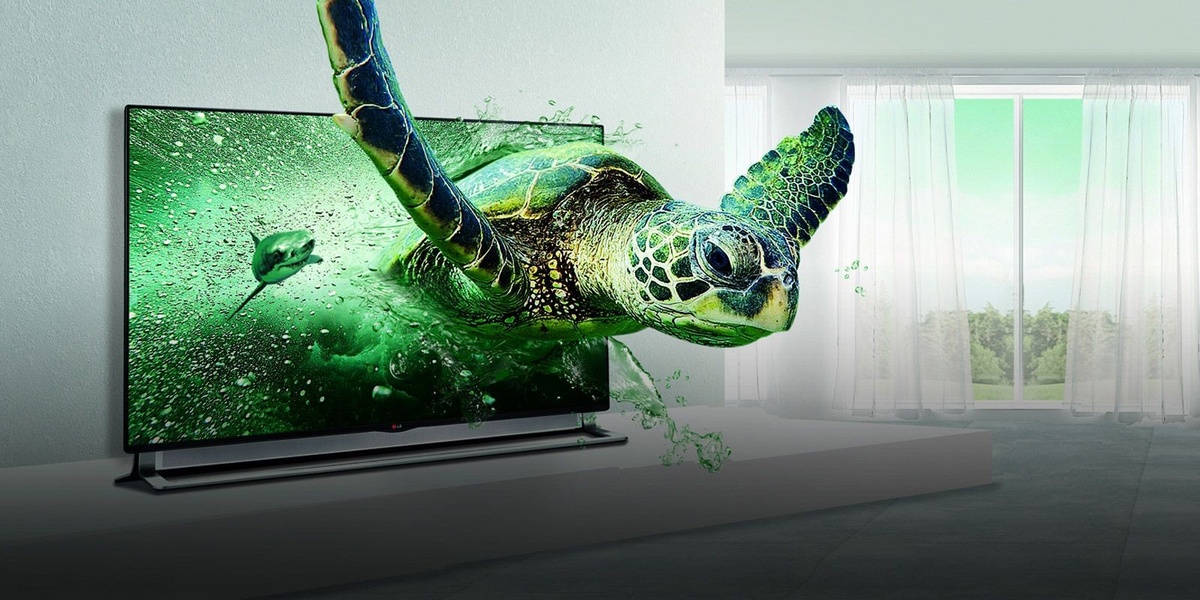
The screen content shot answers the first. A wildlife scene in full resolution, a cinematic frame, a fast-moving sports play - these don't just show the TV, they demonstrate what the spec actually delivers in a context the buyer can feel.
A spec number alone ("4K OLED") is a claim; a orca whale filling a dark screen is evidence. The room placement shot answers the second.
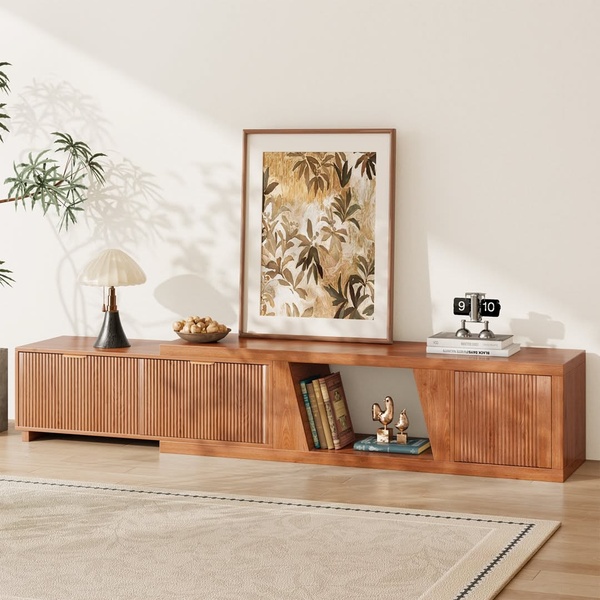
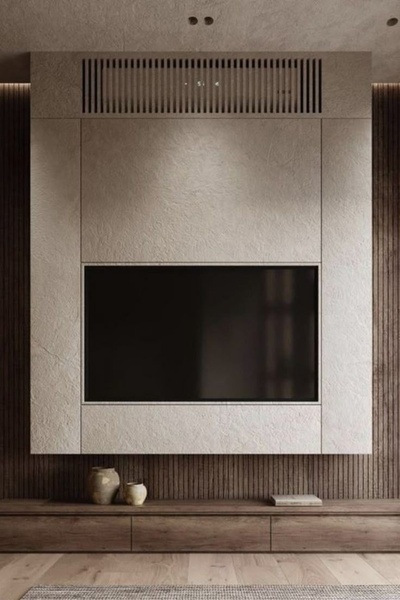
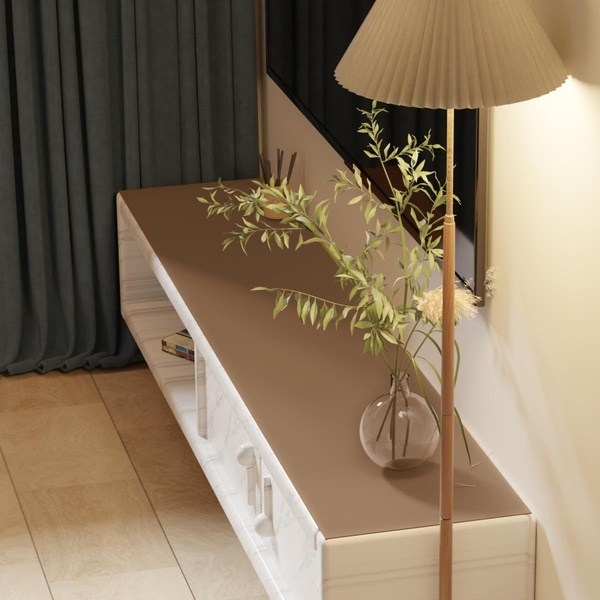
A TV on a wooden console in a styled living space proves scale, proportion, and how the product integrates into a home - which is the thing a spec sheet can't tell anyone.
Buyers who have been burned by a TV that looked smaller than expected in person are specifically looking for that room-context proof before they commit.
How Promer AI builds your TV ad from panel spec, screen content, and room context
Getting both proof formats right - and knowing when to lead with the spec, the screen, or the room - still leaves the headline, the claim structure, and the CTA entirely unwritten. That's the part Promer AI handles from your actual product page rather than a blank brief.
Paste your product page and the AI reads it, pulling out the panel technology, the resolution, the key spec differentiators, the smart features, and what kind of buyer and viewing context your TV is built for. It then writes the headline, body, and CTA on top of the winning structure you picked. Review every spec claim before it runs - generated creatives can have mistakes - and make sure every technical detail matches your current product listing.