






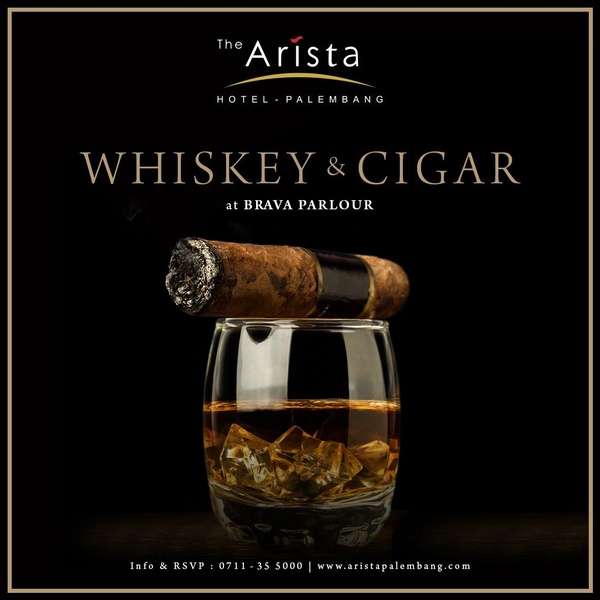

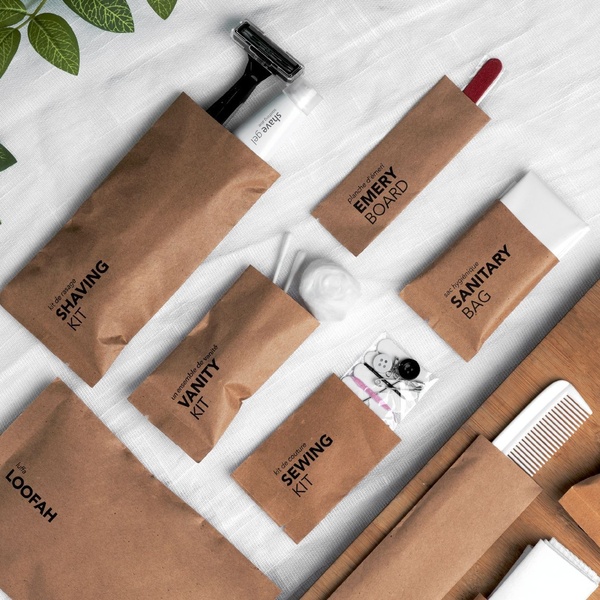
The "hotel" keyword hides two businesses - one sells the stay, the other sells the sleep
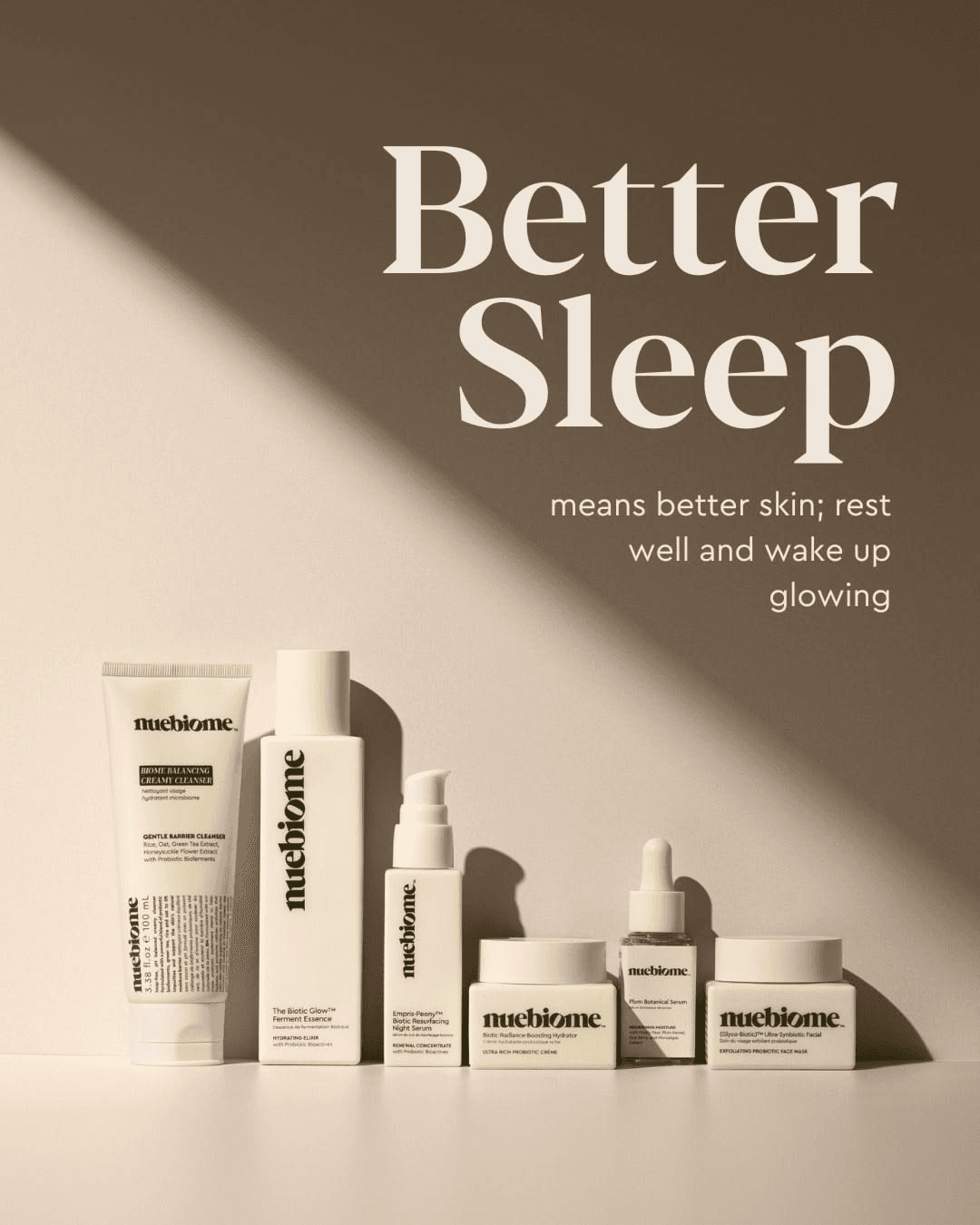
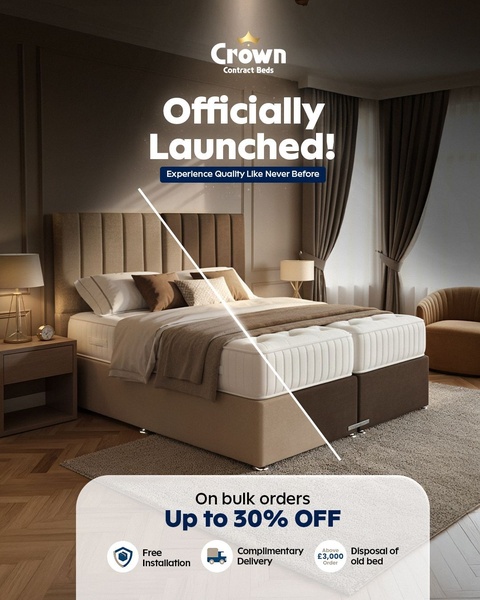
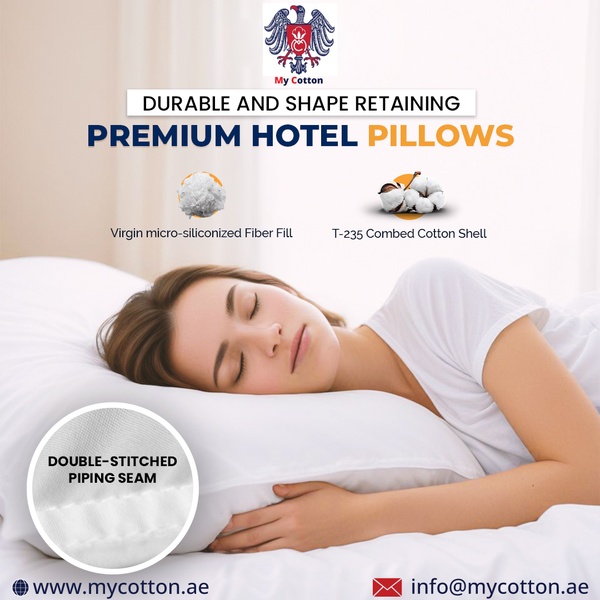
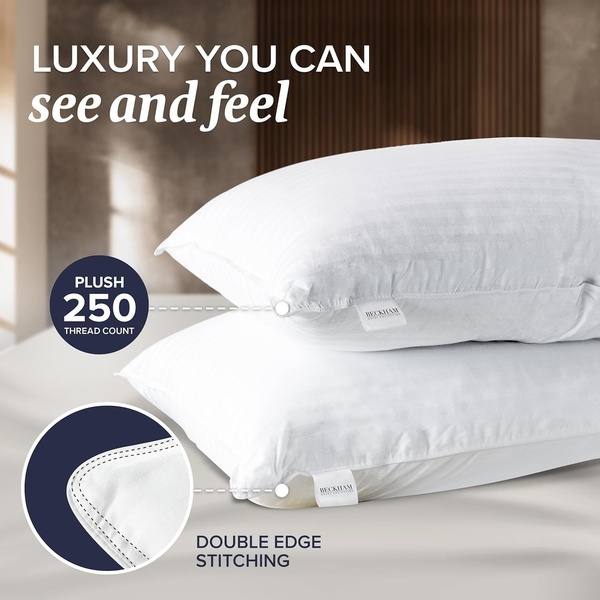
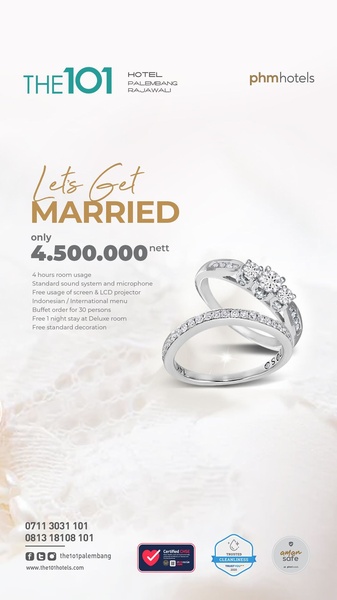
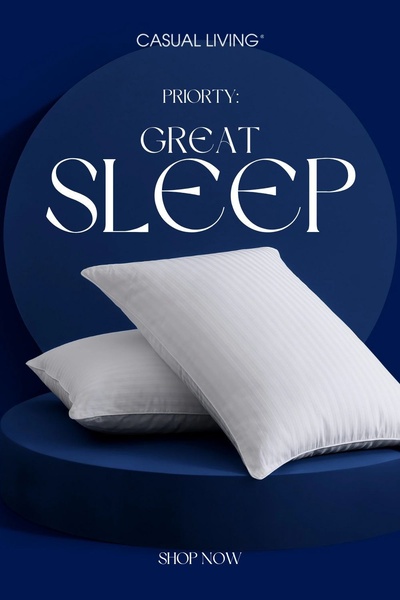
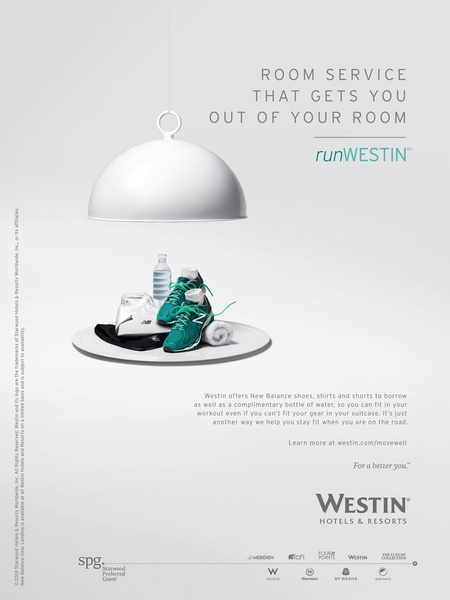
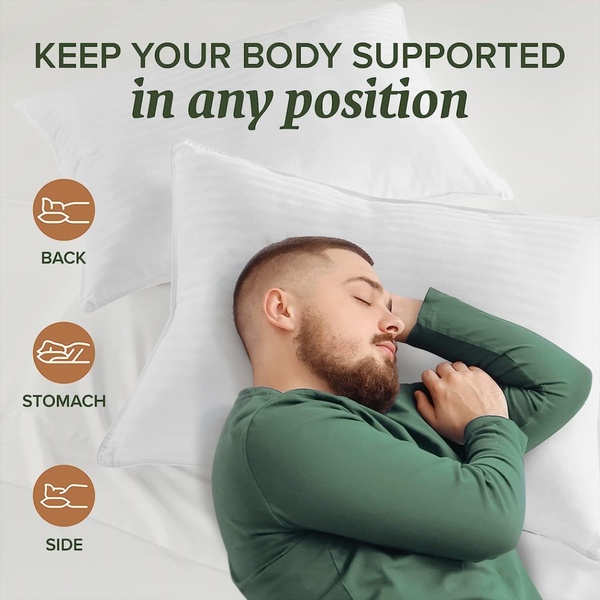
Search "hotel" in an ad library and half the results aren't hotels at all. They're pillow brands, bedding companies, and amenity suppliers selling the promise of a hotel experience you can bring home. "Premium hotel pillows," "great sleep," "quality you can see and feel" - these are product ads borrowing the hotel's aura, not properties selling rooms. The keyword covers two completely different businesses, and the ad for each works nothing like the other.
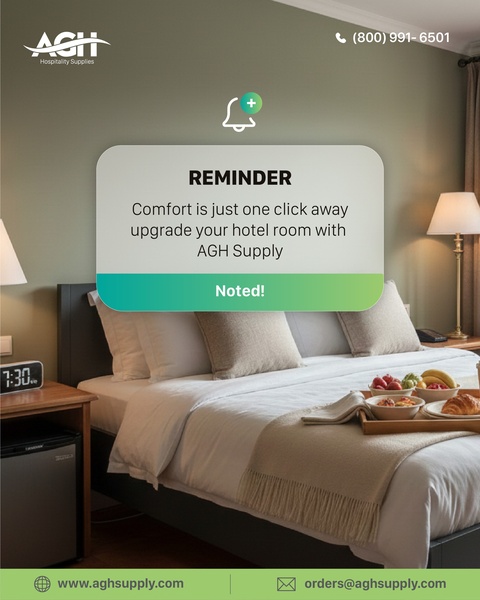
A property selling a stay has to sell an experience the guest can't touch before booking - the view, the location, the feeling of being there. The room photo is the starting point, but the ad's real job is to make a specific traveler recognize this as their kind of place: the budget hotel proves location and rate, the resort proves escape, the boutique proves character.
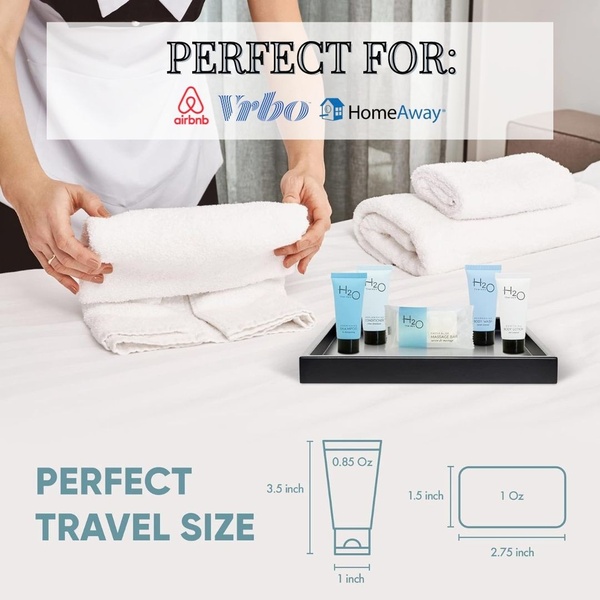
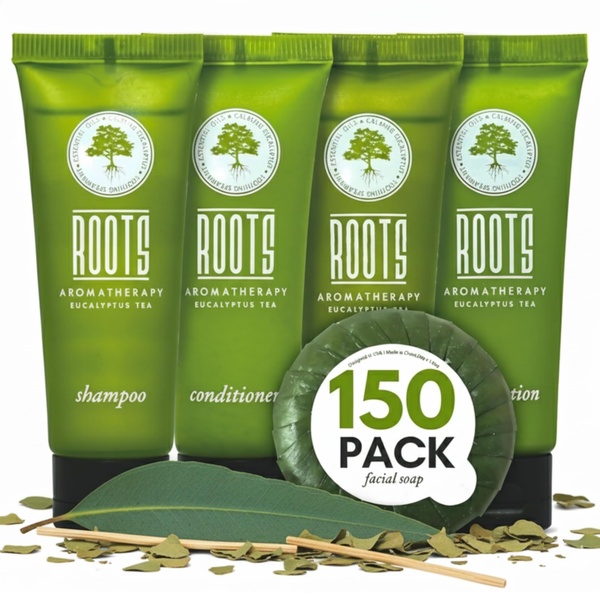
A hotel supply brand has the opposite job. It's selling a physical product - a pillow, a sheet set, a robe - and its entire pitch is the transfer of hotel credibility to a home purchase. "The pillow five-star hotels use" converts because it borrows a standard the buyer already trusts. The proof is the product's quality, and the hotel association is the shortcut that justifies the price.
How Promer AI builds your hotel ad from the stay you sell or the product you make?
Knowing which of the two businesses you're in - and which proof format matches - still leaves the headline, the offer, and the CTA unwritten. That's the part Promer AI handles from your actual page rather than a blank brief.
Paste your hotel page or your product page and the AI reads it, pulling out the experience, location, and offer for a property, or the material, the quality claim, and the hotel-standard association for a supply product. It then writes the headline, body, and CTA on top of the winning structure you picked.
Review before it runs - generated creatives can have mistakes - and confirm every rate, availability, or product detail is accurate before publishing.