




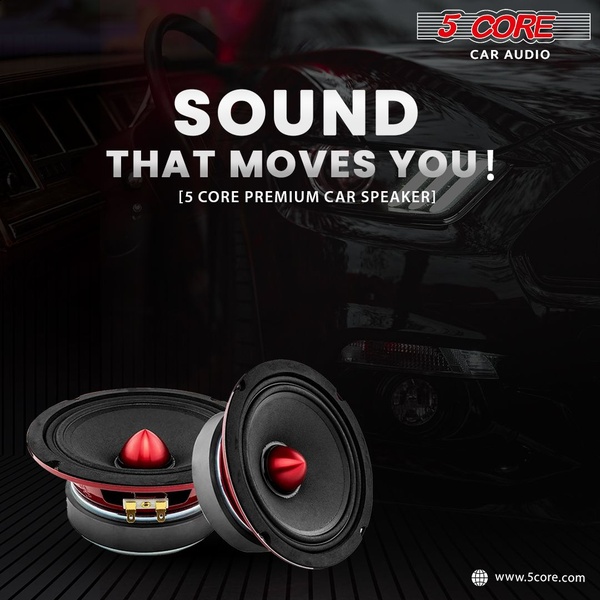
"Speaker" Covers Four Different Products, Not One
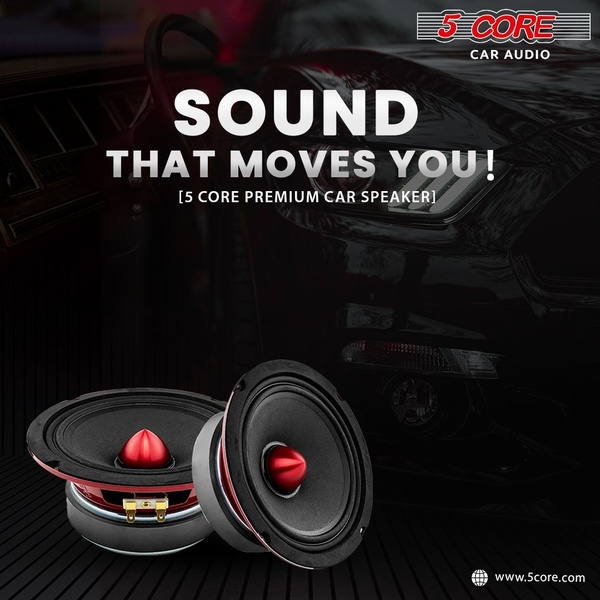
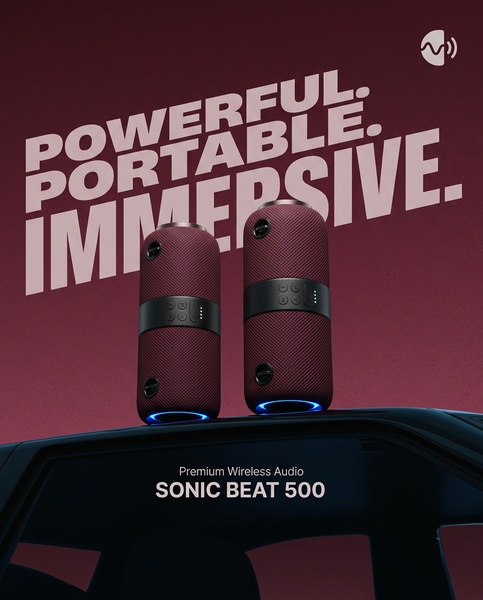
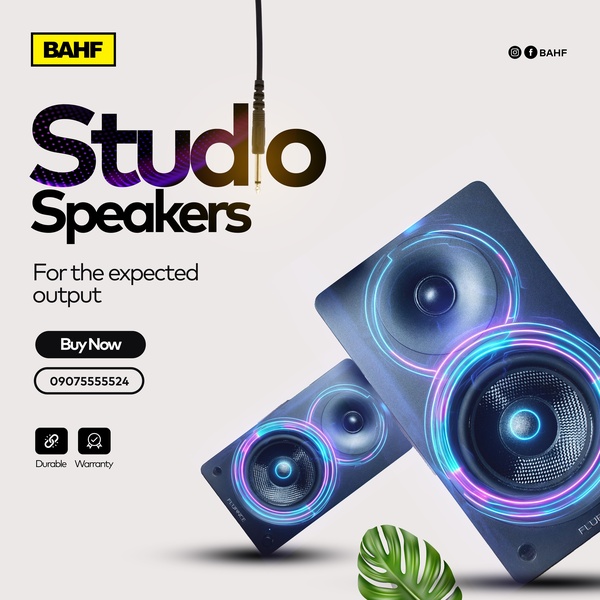
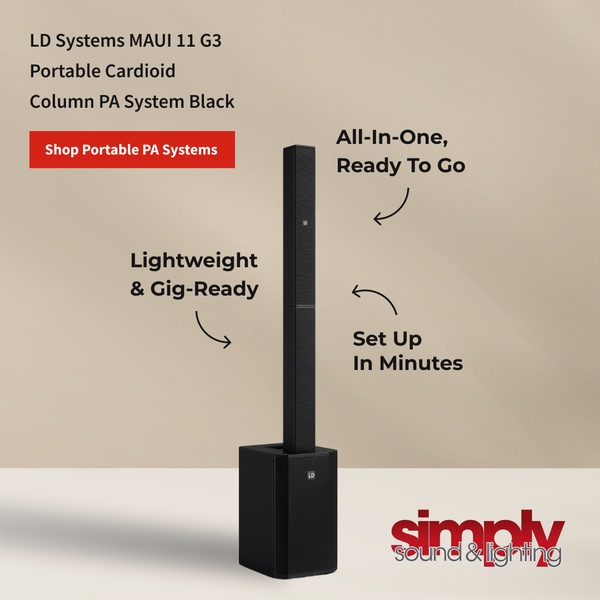
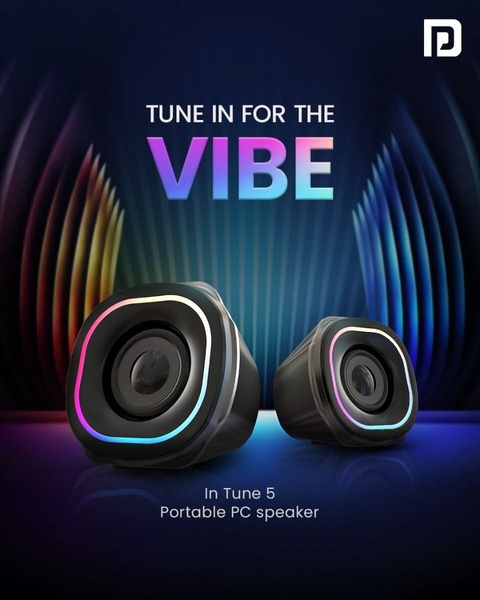
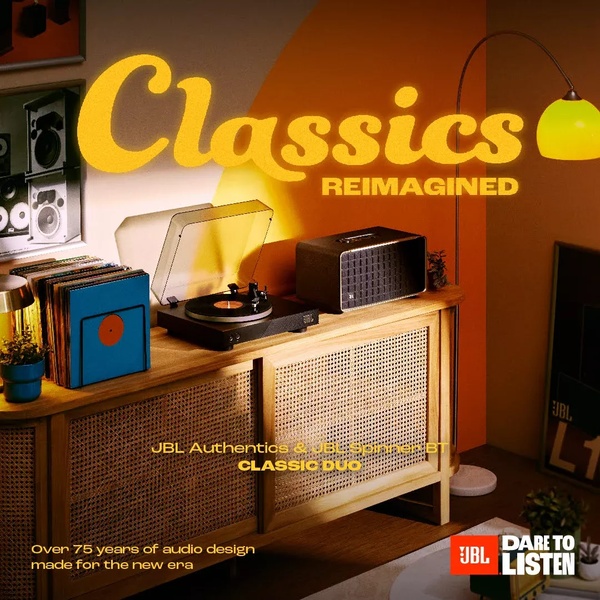
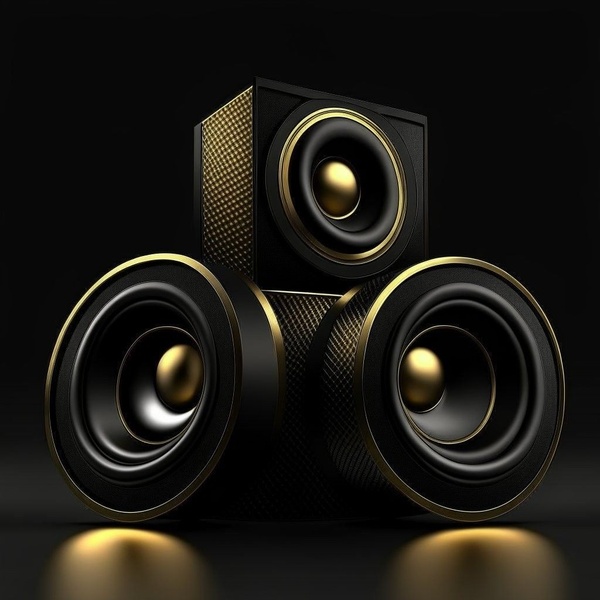
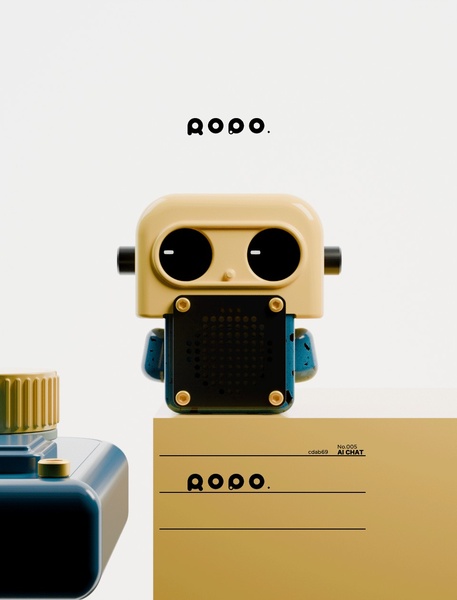
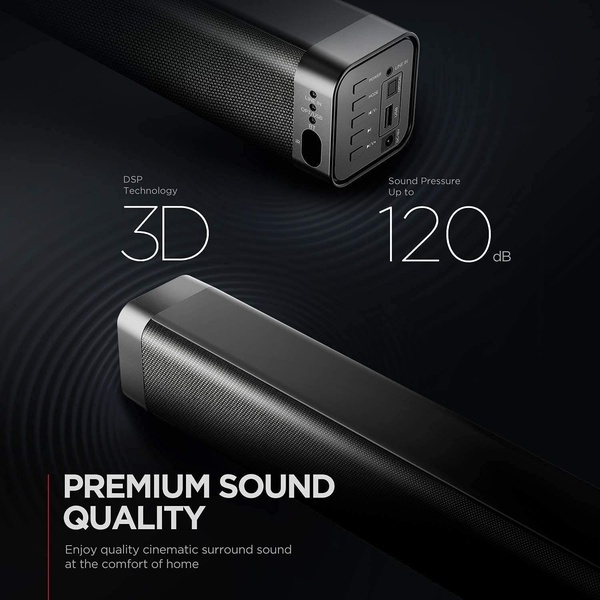
Search speaker advertising and the results split into products that barely resemble each other: a portable Bluetooth speaker styled in someone's hand, a soundbar sitting beneath a TV, a smart speaker shown controlling lights and thermostats, and a professional PA system loaded with decibel specs. Speakers are just one corner of a much broader electronics ad templates collection, but they split this unevenly even on their own.
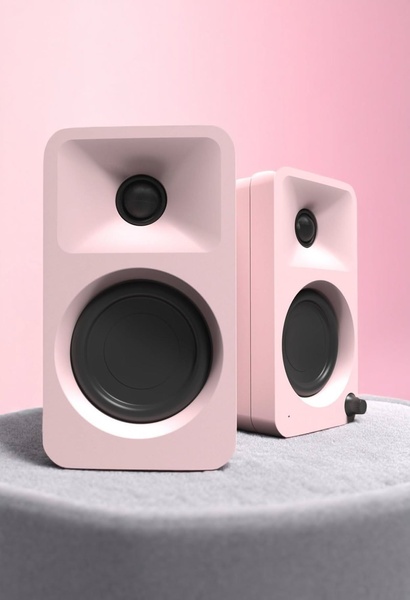
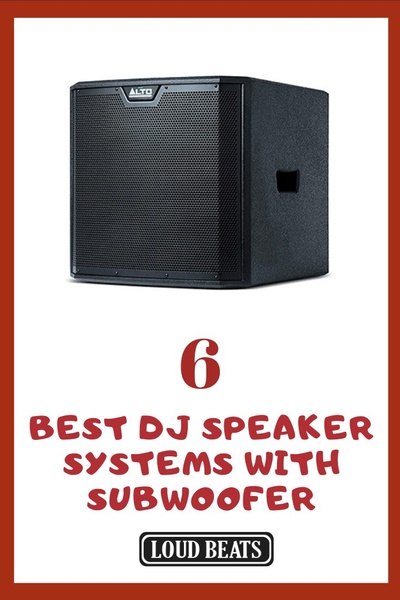
A portable speaker ad sells sound and mobility through beauty shots, a hand holding the product, or an outdoor lifestyle scene. A soundbar ad needs the TV in frame, since the buyer is comparing it against a full home theater setup. A smart speaker ad reads more like a functional checklist than a product photo, because the sell is what it connects to, not how it looks. A PA or DJ system ad drops lifestyle imagery almost entirely in favor of specs and bundle rankings, because the buyer is a working professional evaluating performance under real conditions.
Using the wrong one of these four structures for your actual product is the most common way a speaker ad underperforms, since the buyer scrolling past a smart-home ad is not evaluating the same thing as a buyer comparing PA systems.
How Promer AI Builds Your Speaker Ad From the Product Type, the Use Case, and the Offer?
Knowing which of the four speaker categories you're in still leaves the headline, the visual direction, and the CTA unwritten. That's the part Promer AI handles from your actual product page rather than a blank brief.
Paste your product page and the AI reads it, pulling out the product type, the key feature or use case, and the audience it speaks to. It then writes the headline, body, and CTA on top of the winning structure that matches - product-hero photography for a portable speaker, a functional layout for a smart speaker, or a spec-driven structure for pro audio gear.
Review before it runs - generated creatives can have mistakes. If your ad references smart-home platform compatibility (Alexa, Google Home, and similar), confirm the claim is accurate for your product before publishing.