














A Laptop Ad Either Fills the Screen With Specs or Leaves It Blank on Purpose
The display is the largest surface in almost every laptop creative, and what goes on it is the whole strategy. Browse this library and the results split along that one decision.
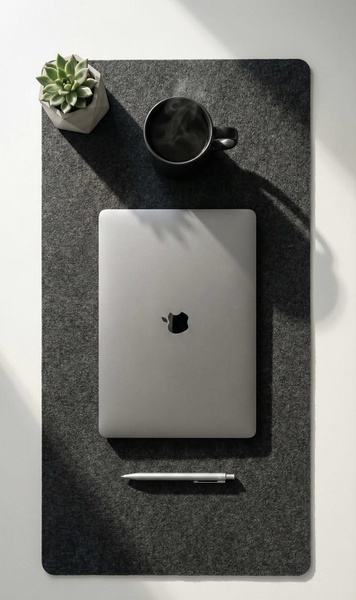
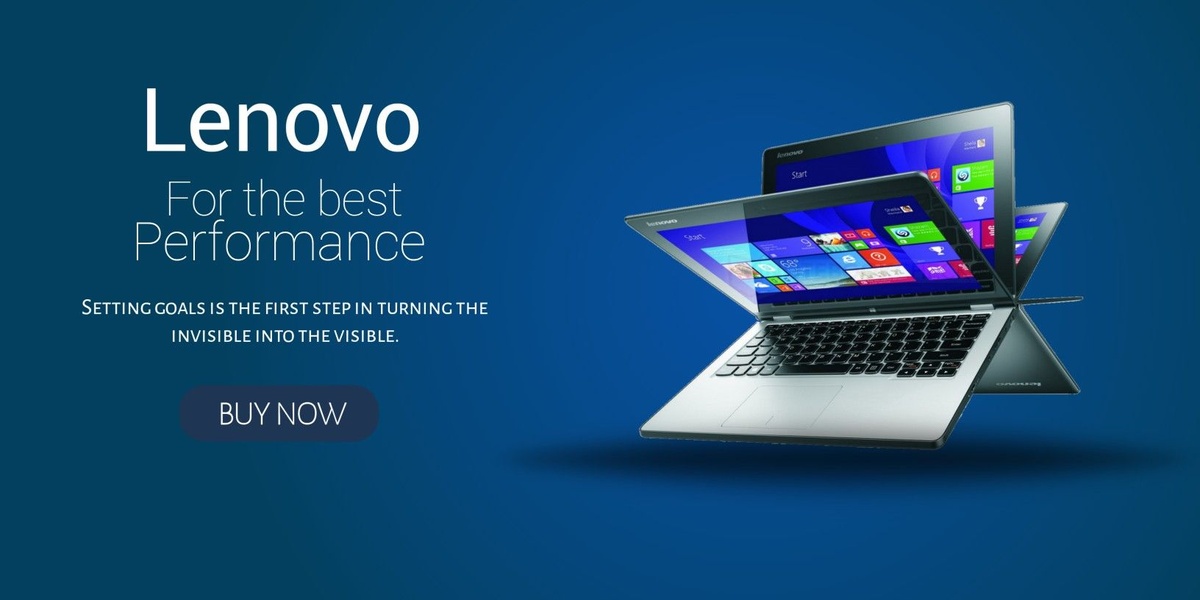
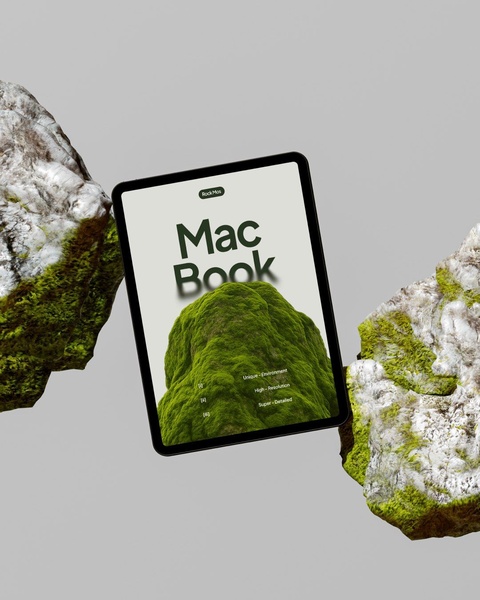
The blank-screen half puts the machine somewhere the buyer would rather be. A laptop open on a mossy rock, in a field of rapeseed, on a leather sofa, on a plane tray table, on a windowsill next to a coffee and a plant. The screen stays dark or holds a single line of type, because the moment anything appears on it the ad becomes about software instead of about the life the machine fits into. One of the strongest reads simply "After Hours. Crafted by hand. Made for the moments in between."
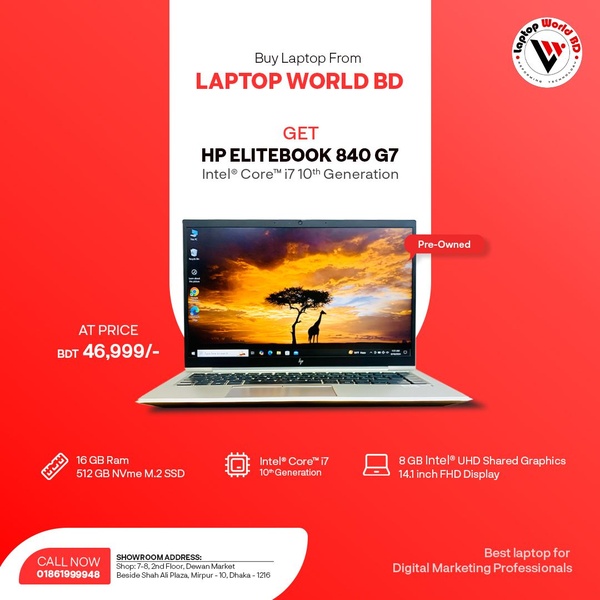
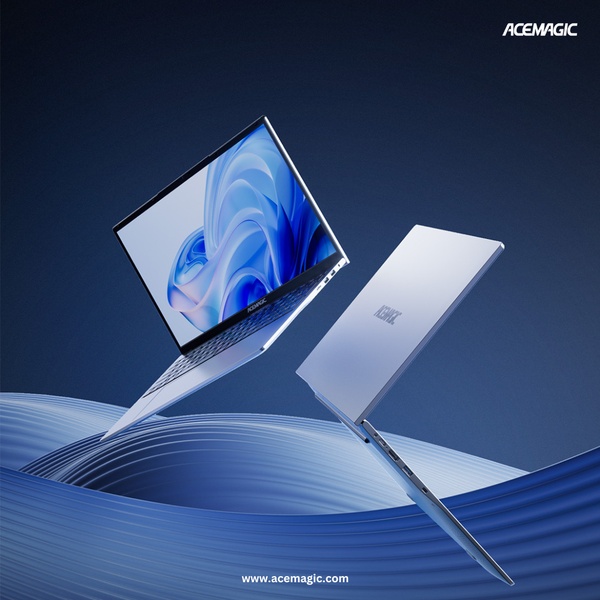
The filled-screen half does the opposite and sells the configuration. A stock wallpaper on the display proves the unit is real and boots, and the space around it goes to a spec block: processor and generation, RAM, SSD, screen size, battery, warranty length, then a price in local currency and a phone number or an order-online button. A lot of this half is business-grade and refurbished stock - an Elitebook 840 G7, an IdeaPad Slim 3i - where the generation number is the value argument, not a footnote.
A third and smaller group belongs to brand teams, who pick one feature and shoot it as atmosphere: a backlit keyboard glowing in a dark room, a screen ratio shown as the only thing on the display, an audio claim sold with light rather than a chart. Phone sellers in the same store run an entirely different playbook, visible in the mobile phone ad templates, and the wider electronics ad templates show how the rest of the category handles the same spec-versus-mood choice.
How Promer AI Builds Your Laptop Ad From the Spec, the Price, and the Place?
Choosing between a spec ad and a place ad still leaves the headline, the visual direction, and the CTA unwritten. That's the part Promer AI handles from your actual listing rather than a blank brief.
Paste your product page and the AI reads it, pulling the processor and generation, memory and storage, display size, warranty, and the listed price. It then writes the headline, body, and CTA on top of the winning structure that matches - a spec-and-price retail layout, a screen-off lifestyle frame, or a single-feature brand shot for a launch.
Review before it runs - generated creatives can have mistakes, and in this category the tells are a wrong port layout, a keyboard that doesn't match the model, or a spec line that drifts from the configuration you actually ship. Manufacturer logos and the Intel, Windows, and Dolby badges belong to their owners and usually require program membership to display, so confirm your rights, state refurbished condition and warranty terms accurately, and make sure any battery or delivery promise is one you can keep.