


A Camera Ad Sells a Memory or It Sells Evidence
Type camera into the library and the grid fills with dash cams. Not cameras people shoot with - cameras that watch a road, a driveway, or a living room while nobody is looking at them. That isn't a quirk of the search. Dash cam and security brands run constant performance marketing, while compact photography has largely stopped competing for the same click since phones absorbed that buyer, a shift the mobile phone ad templates make obvious from the other side.
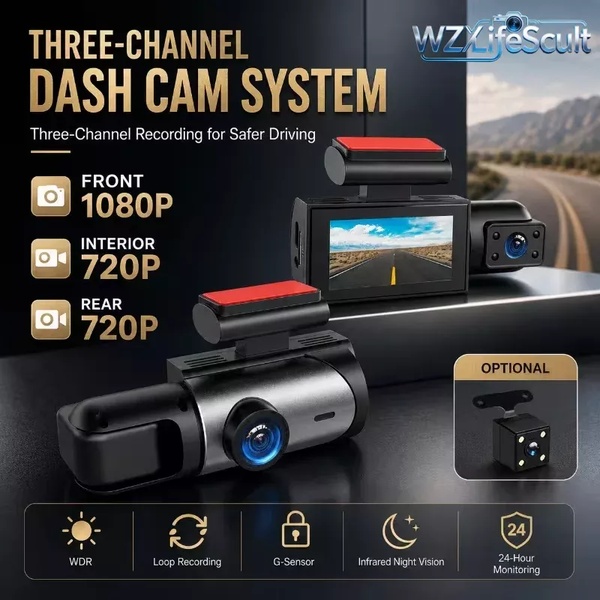
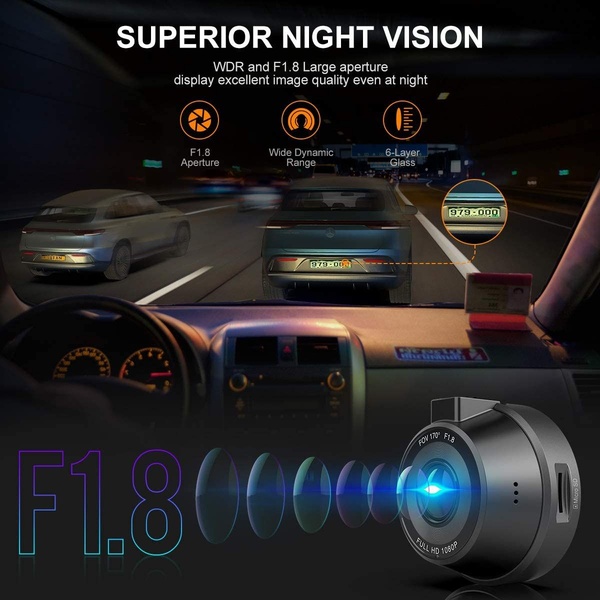
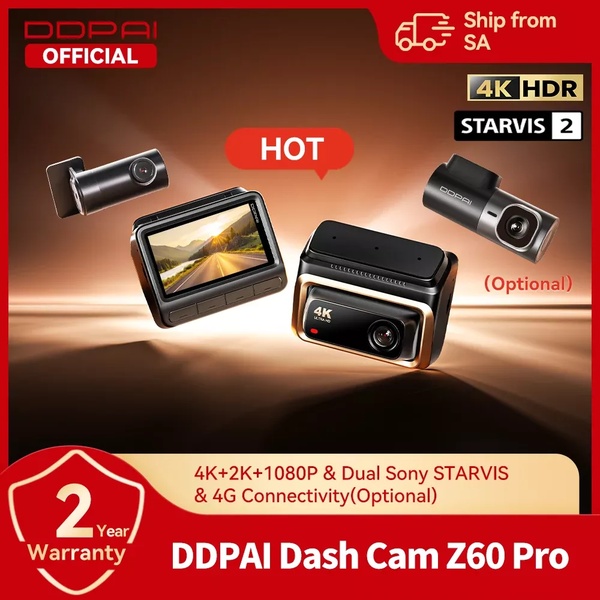
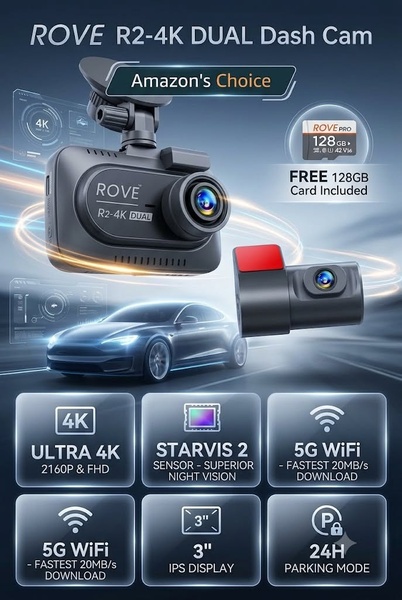
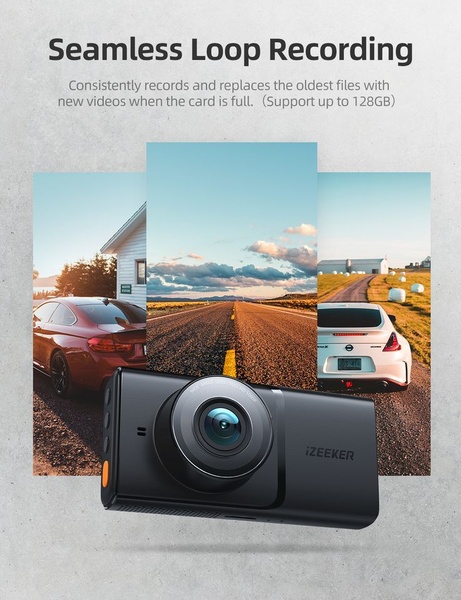
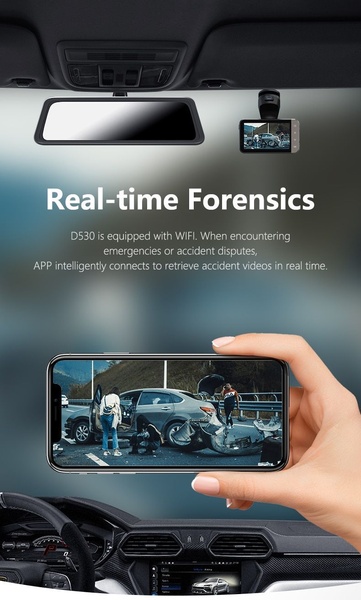
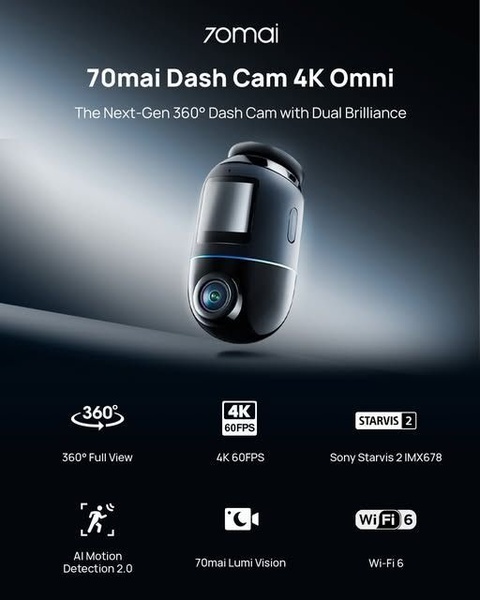
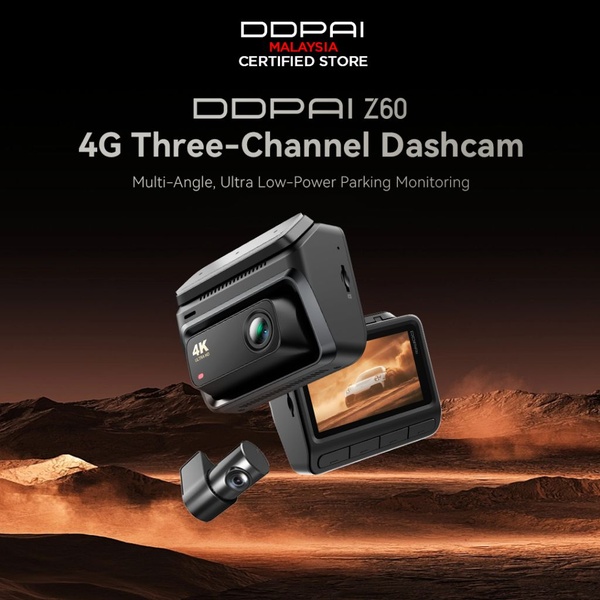
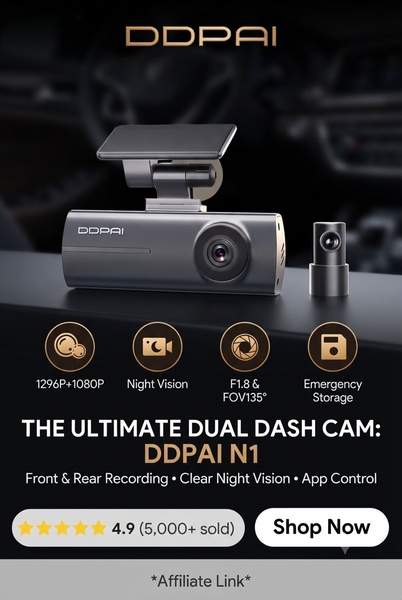
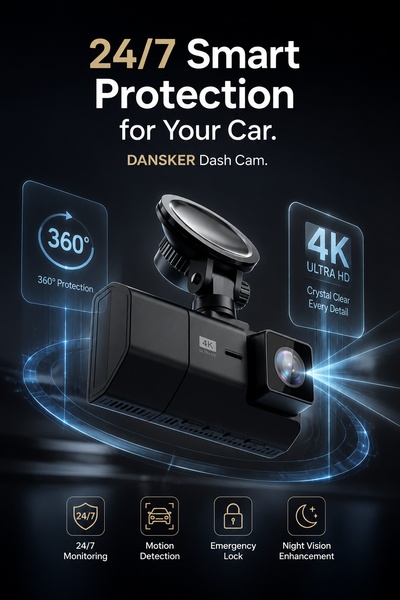
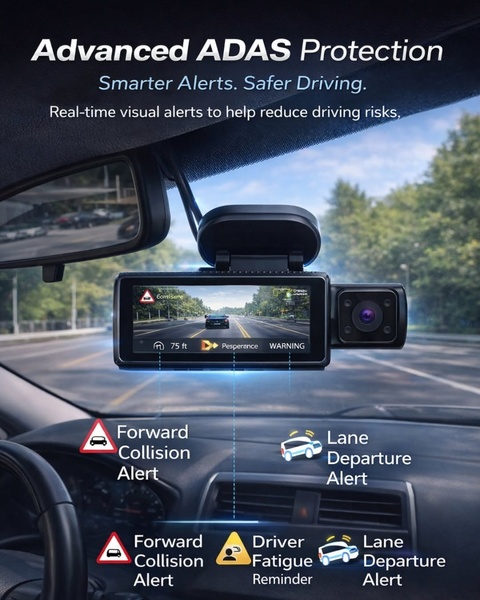
What the watching half sells is coverage. The creative is an icon grid: how many channels, what resolution each one records at, the sensor and aperture doing the night work, parking mode, loop recording, app control, GPS. Channel count is the price ladder, so front, interior, and rear get labeled separately and a four-channel model says so in the headline. Around the grid sits a night road or a dark parking lot, plus the trust furniture this category runs on - a warranty seal, a rating, a memory card thrown in.
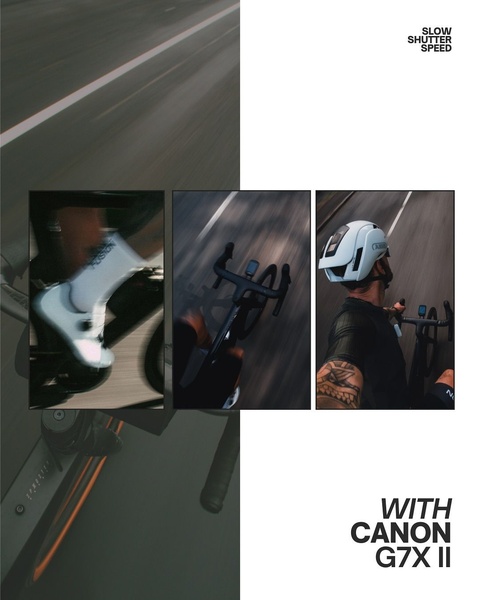
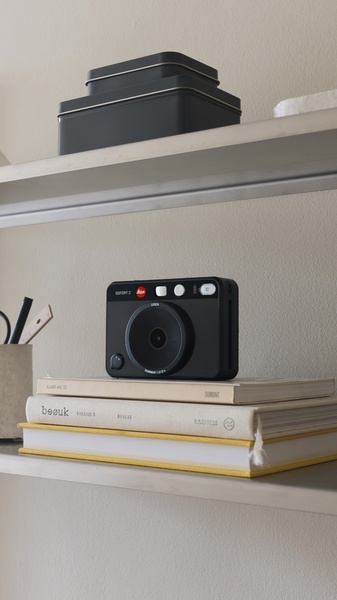
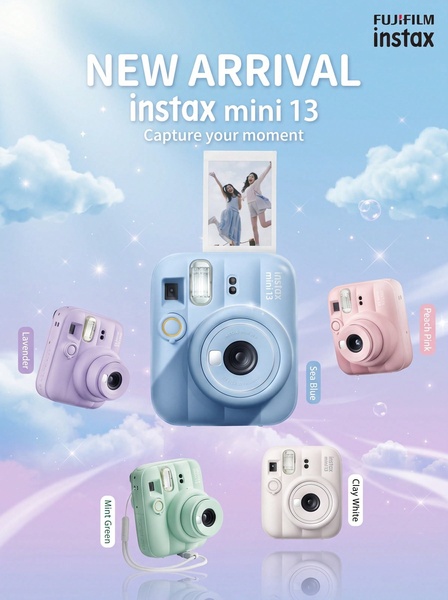
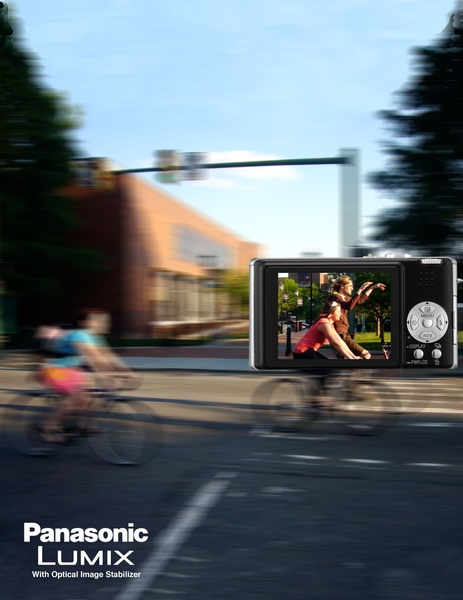
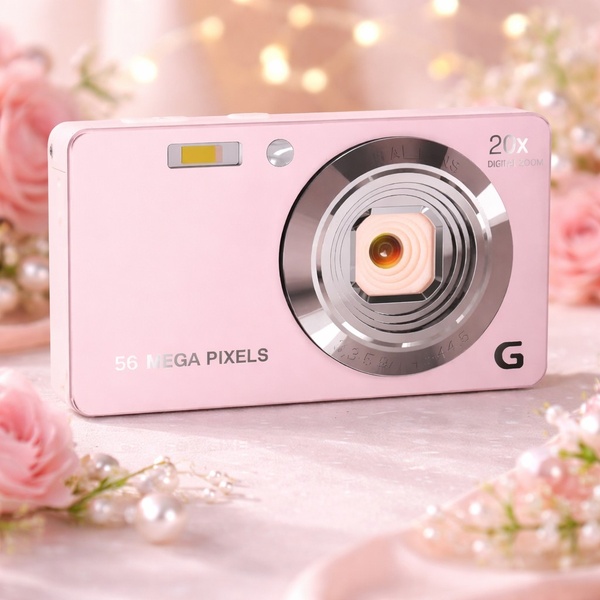
The memory half never shows a spec block at all. An instant camera ad holds up the print that just came out of it. A compact ad puts the finished shot on the rear screen while the street behind it blurs into motion. A rangefinder ad gives the product a quiet frame and a line about the right moment, and trusts you to know what that costs. The output is the entire argument, and the hardware is set dressing.
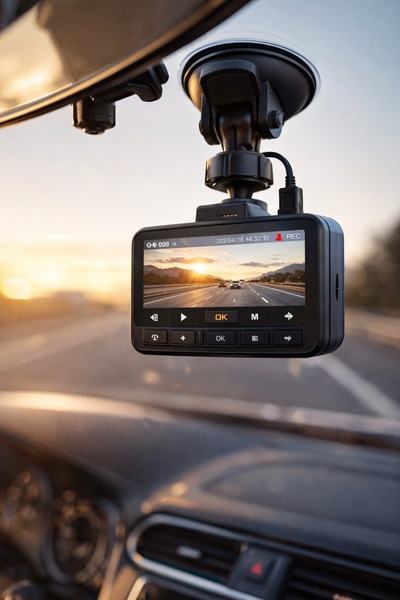
Both halves share one move worth stealing: the camera and what it captured appear in the same frame. A photo pinched between two fingers, a sharp image on an LCD against a blurred world, a recorded road playing back on a dash cam screen. It is the only way a still ad can prove a camera does anything, and it is why the flat product shot underperforms here more than in most of the electronics ad templates.
How Promer AI Builds Your Camera Ad From the Spec Grid, the Sample Shot, and the Scene?
Deciding whether you're selling a memory or selling evidence still leaves the headline, the visual direction, and the CTA unwritten. That's the part Promer AI handles from your actual listing rather than a blank brief.
Paste your product page and the AI reads it, pulling resolution and channel count, sensor and aperture, what ships in the box, the warranty, and the listed price. It then writes the headline, body, and CTA on top of the winning structure that matches - an icon-grid spec layout for a multi-channel recorder, a sample-shot hero for a camera bought to make pictures, or a night-scene frame for the one claim your buyer is actually shopping on.
Review before it runs - generated creatives can have mistakes, and here the tells are a lens or mount that doesn't match your model and a sample frame that quietly overstates what the sensor does. Any footage or photo in the ad should come from the product you're selling, badges like Amazon's Choice and star ratings belong to the platform and have to be current, and sensor or brand marks need permission to display. Cameras that record other people carry a further step: interior and audio recording, doorbell cameras, and pet cams are regulated differently market by market, so check local consent and signage rules before an ad promises continuous recording.