







"Automotive" hides two purchases with almost nothing in common
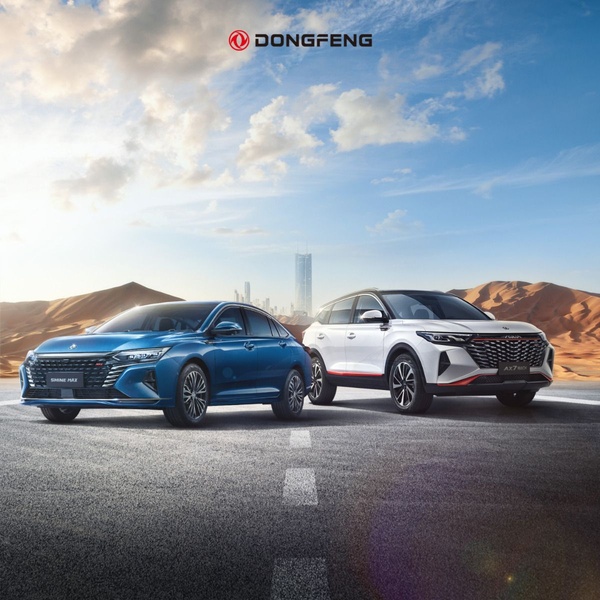
A new SUV and a bottle of engine oil are both automotive products, and the ads for them share almost no structural DNA. One is a rare, high-emotion purchase happening once every few years, sold through aspiration, brand story, and a bundled dealership offer. The other is a routine, low-emotion purchase happening every few months, sold through fear of neglect and a specific price anchor. Building one ad structure for "automotive" and applying it to both is why so much automotive advertising misses either audience entirely.
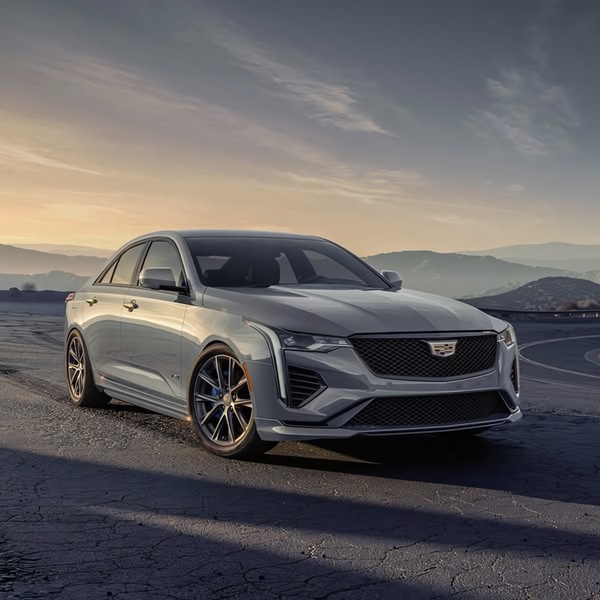
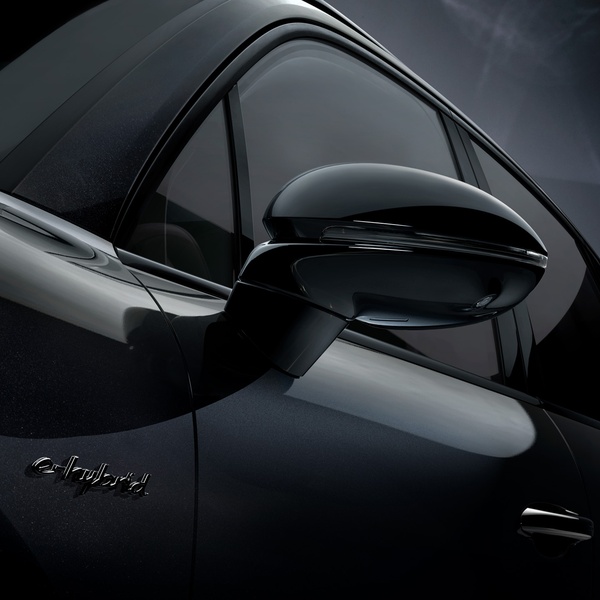
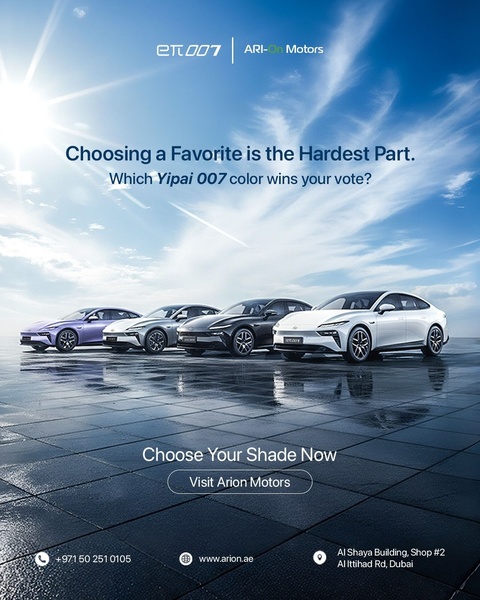
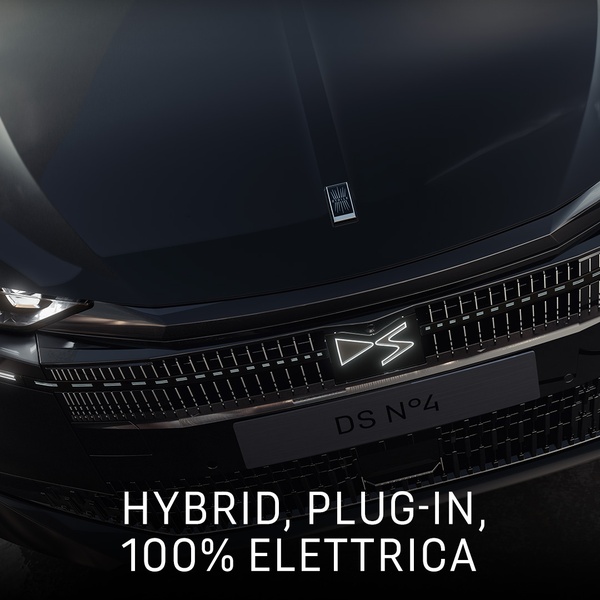
Vehicle advertising leans on mood and aspiration - a car alone in fog-wrapped trees, a close-up of a mirror or badge with no full vehicle in frame, a new model launch framed like a fashion season ("New Season, New SUV"). The dealership version bundles the full cost of ownership into one number - registration, insurance, and add-ons rolled into a single "starting from" price - because the buyer's real hesitation isn't the car itself, it's every extra cost that comes with driving it home.
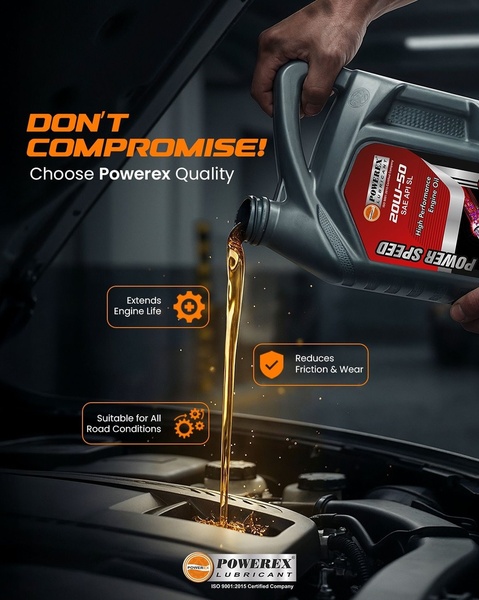
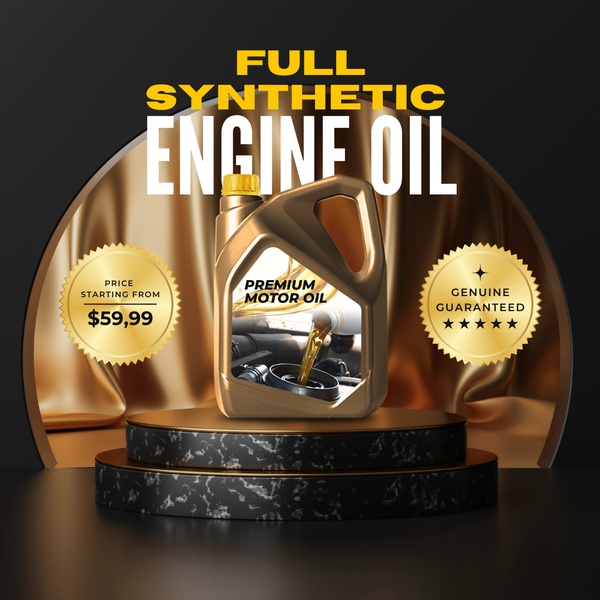
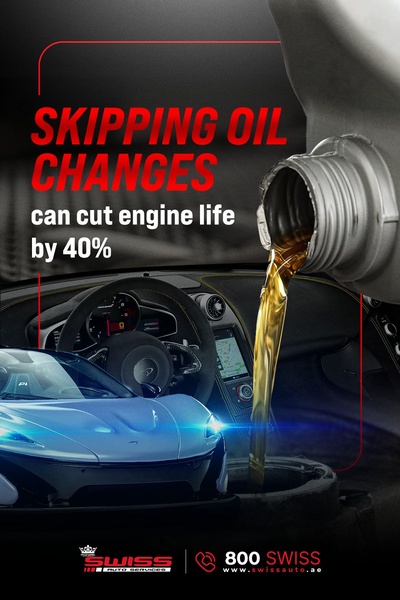
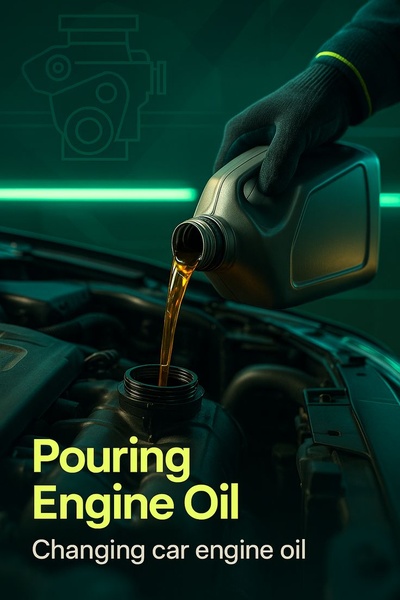
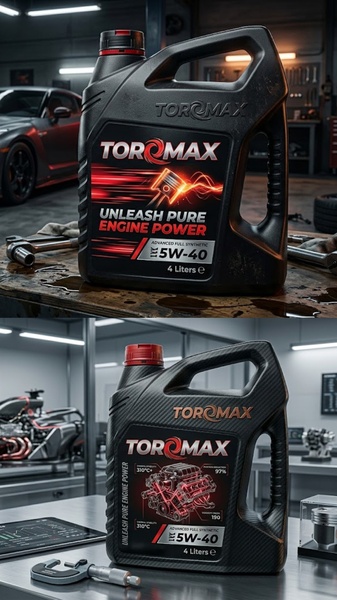
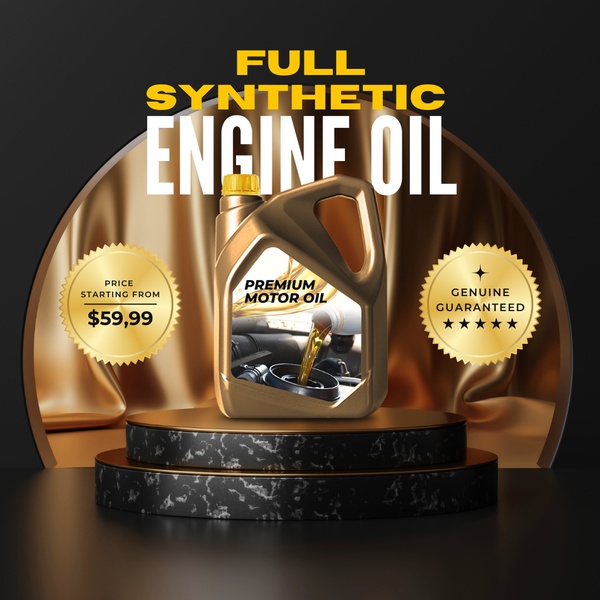
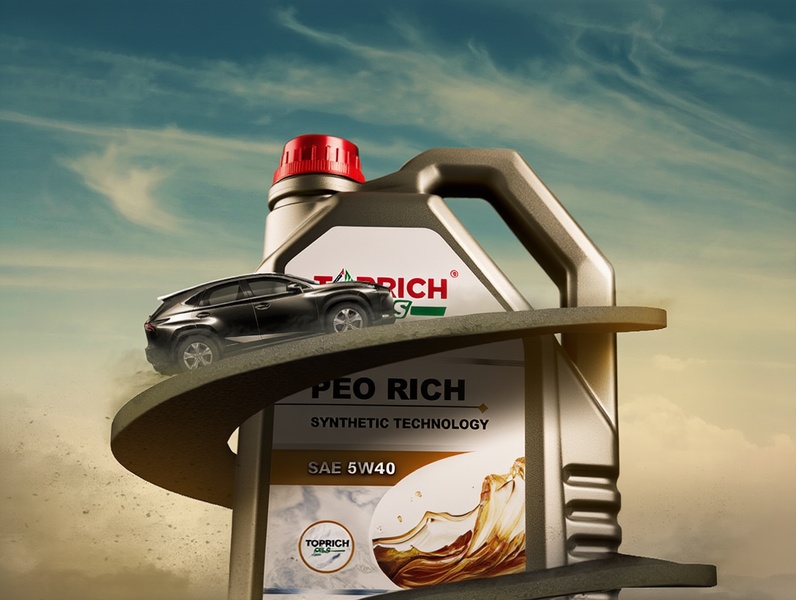
Parts and maintenance advertising works on entirely different psychology. The pouring-oil hero shot - liquid caught mid-stream under dramatic lighting - proves the product is real, premium, and flowing, the way a skincare serum drop proves texture. Alongside it, a specific fear stat ("skipping oil changes can cut engine life by 40%") turns a mundane, easy-to-postpone task into something with a real, quantified cost of ignoring it. This is a maintenance category selling urgency for something the buyer would otherwise put off indefinitely.
How Promer AI builds your automotive ad from the vehicle or the product?
Knowing whether you're selling the vehicle itself or what keeps one running still leaves the headline, the visual direction, and the CTA unwritten. That's the part Promer AI handles from your actual product page rather than a blank brief.
Paste your product page and the AI reads it, pulling out the product type (vehicle, oil, part, accessory), the key claim or spec, and the buyer you're reaching. It then writes the headline, body, and CTA on top of the winning structure you picked.
Review before it runs - generated creatives can have mistakes - and make sure any price, spec, or performance claim is accurate for your product or listing.