
Why Do Fashion Ads Make the Discount or the Tagline the Biggest Thing on the Image?
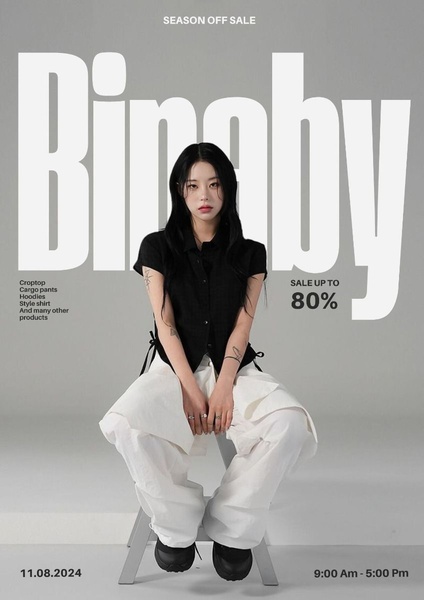
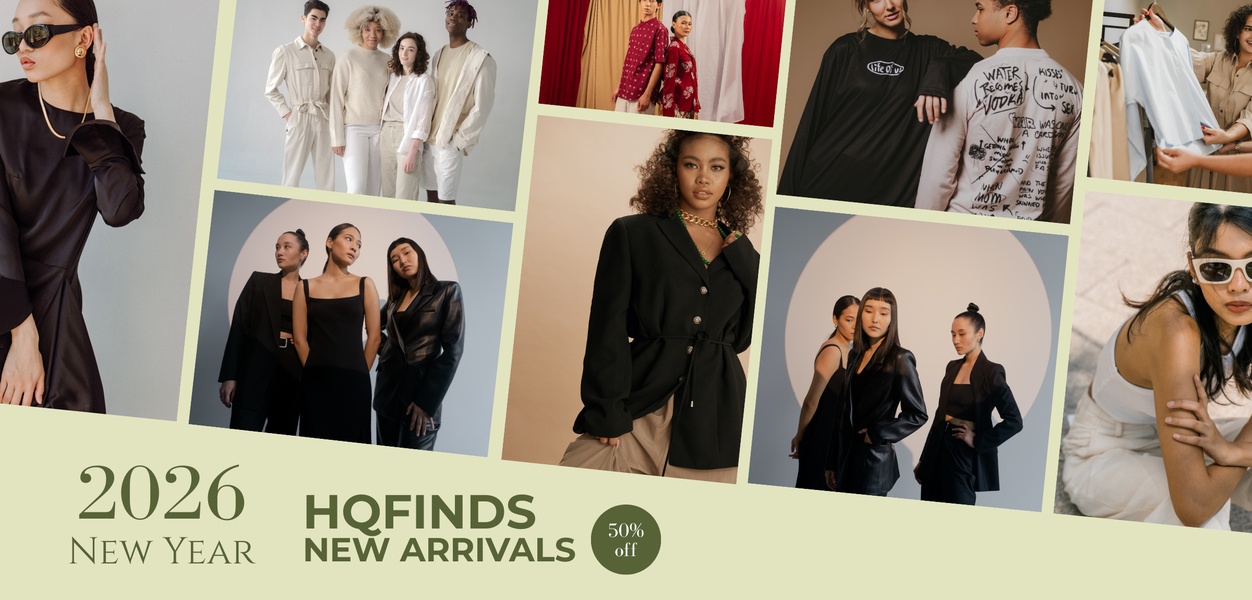
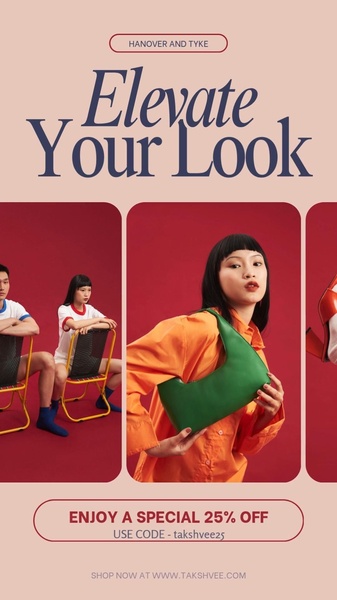
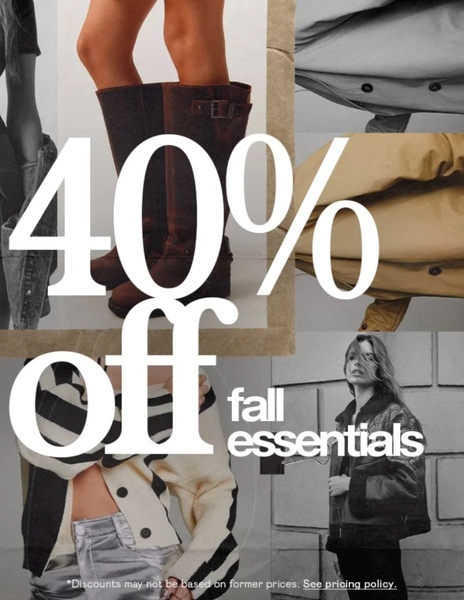
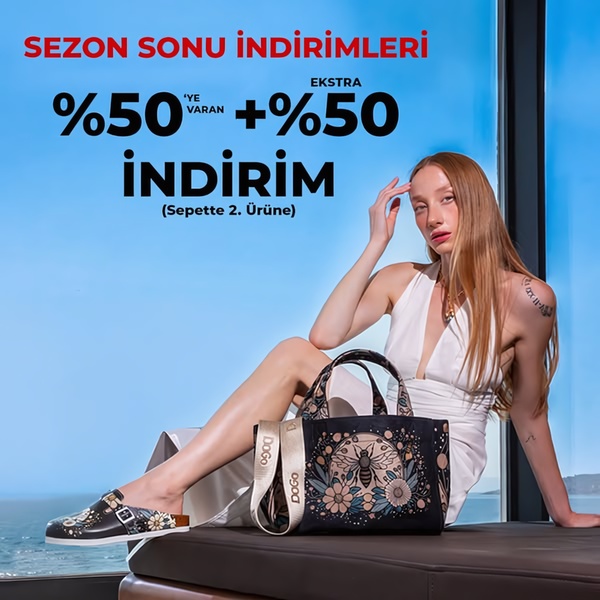
Open this library and the biggest object on most creatives isn't the garment. It's a number or a sentence: 60% OFF set in tall serif type across a model's legs, "Up to 80%" behind a seated figure, a 30% coupon stub taped onto a monochrome portrait. The clothes are the backdrop and the offer is the ad.
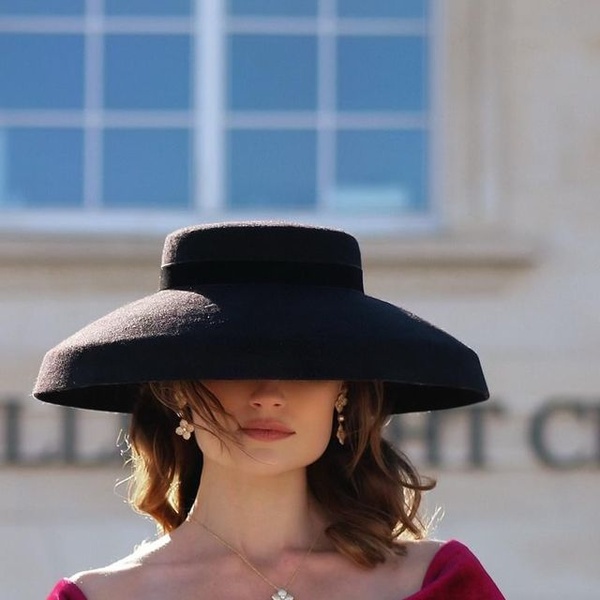
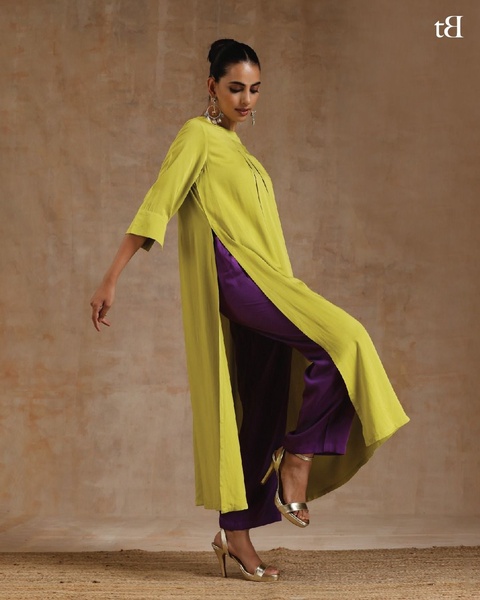
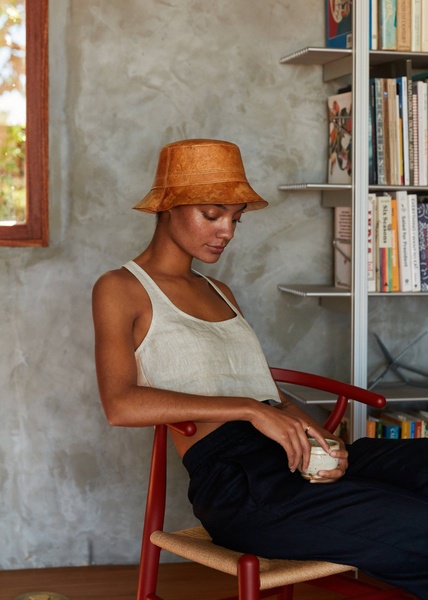
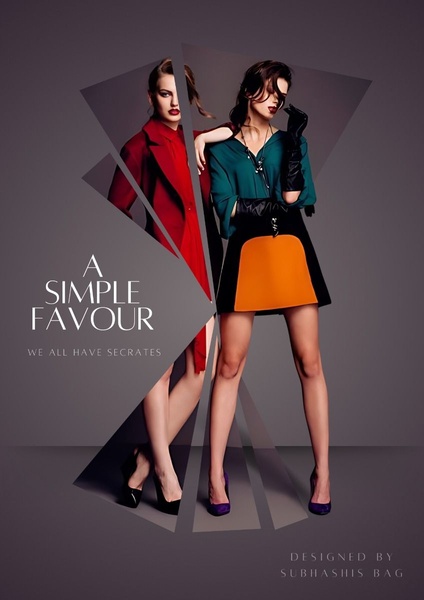
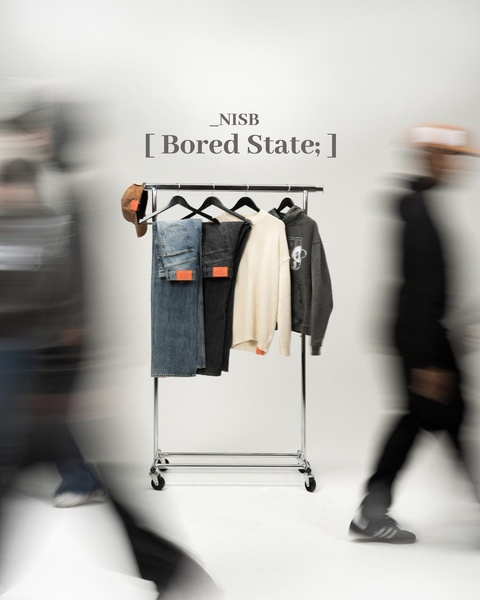
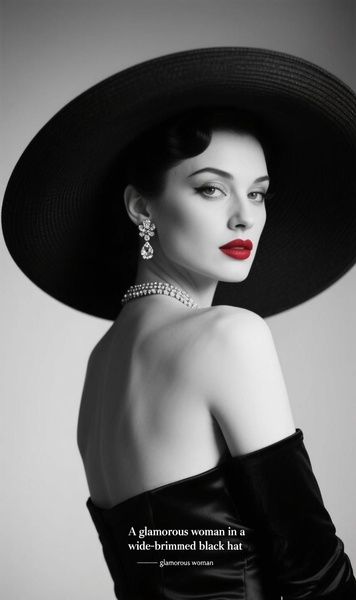
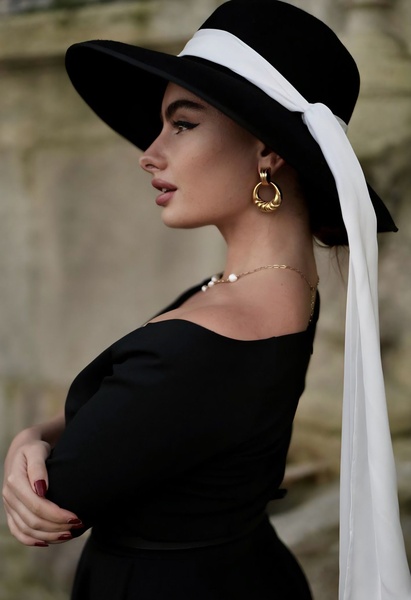
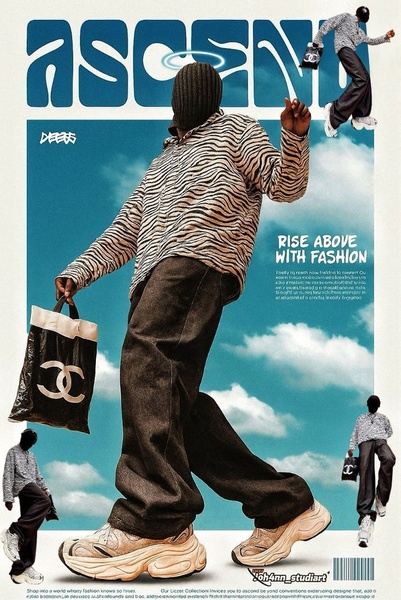
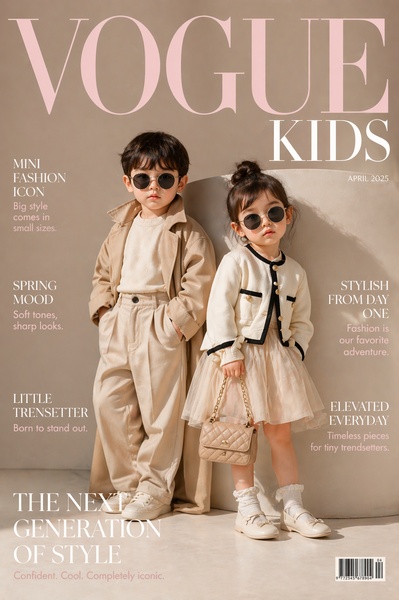
That is one of two registers this niche runs in. The other drops the discount entirely and leans on a single line over a single photograph - a navy jacket against a stone column, with "Designed for those who lead" underneath - or on mood alone, like a clothing rail shot in motion blur while pedestrians streak past. Sale posters sell the price. Editorial creatives sell who you become in the piece, which is why they hold up better when a brand doesn't want to be seen discounting.
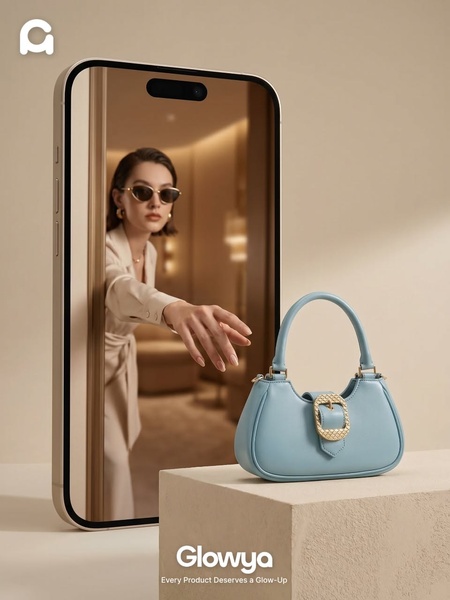
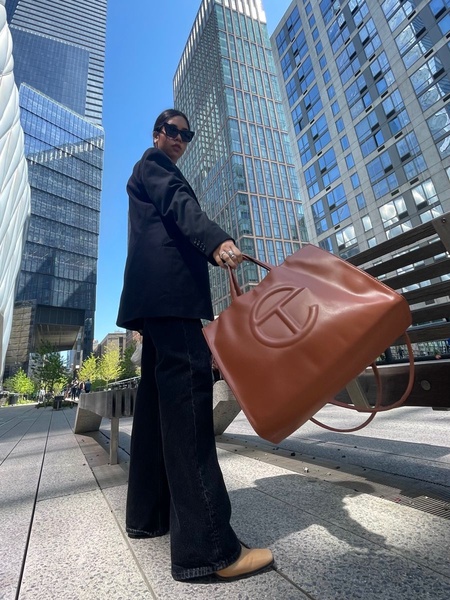
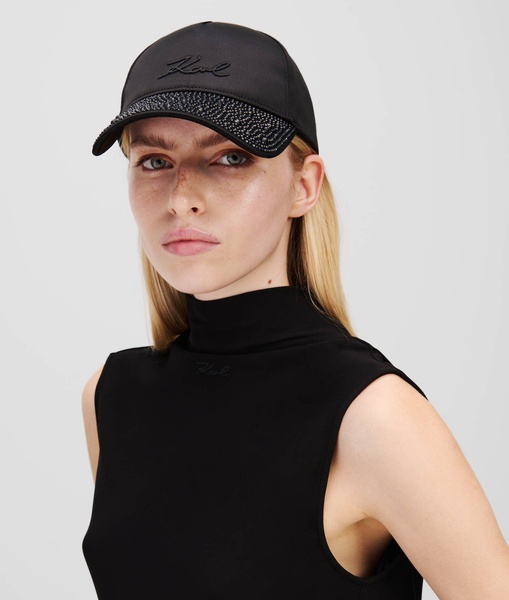
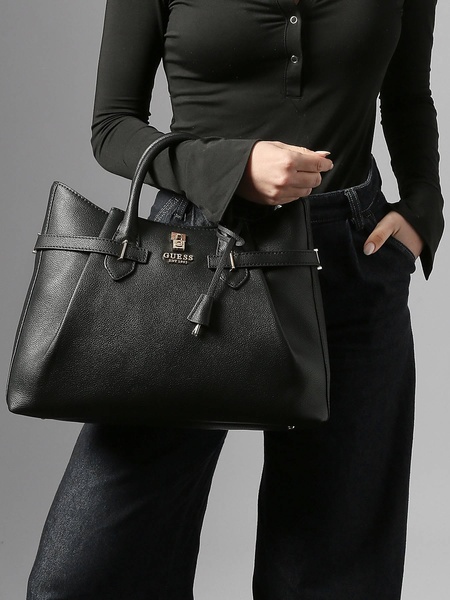
Accessories split off into a third look. Bags are shot as objects rather than as fit: one on a plinth beside a phone screen, one in a hand against a glass tower, one in glossy pink with a round 20% badge, one so surreal it has legs sticking out of it. A dress has to prove how it drapes on a body. A handbag only has to be wanted, which is closer to how a jewelry ad works than to how a jacket ad does.
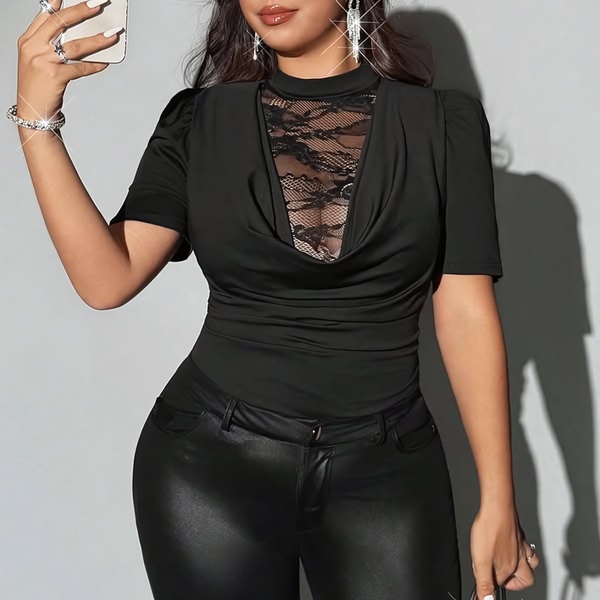
Fashion also has the shortest shelf life of any niche here. Collections turn over by season, sales run for days rather than months, and a layout that felt fresh in spring is wallpaper by autumn. The generic stock templates with a "Your Logo" box and a shopping cart show what happens at the other extreme: an empty frame that every store fills the same way. The ads worth studying commit to one idea per creative and swap it often.
How Does Promer AI Turn a Fashion Product Into Ad Creatives Without a Shoot?
Most fashion stores already have flat lays, ghost mannequin images or supplier photos, and what's missing is the second and third creative for each piece. Promer AI covers that gap, and each feature below works on its own, so you can start wherever you are.
AI Ad Prompt is the direct route. Describe the scene and the message - a linen jacket against a stone doorway, a bag on a pink plinth with a 20% badge - and Promer AI generates the creative straight away, with no other feature in between. A product image and a reference ad are optional but bring the result closer to the piece you sell, and "Get ad ideas" suggests five directions if you're starting cold.
AI Photoshoot works from the images you already have. You can upload up to four reference angles - front, 3/4, back and detail - pick from guided style and composition suggestions, and choose a model or no-model result, which fits the split above between on-body fashion and object-style accessories. Outputs come in feed-ready ratios such as 1:1 and 4:5.
AI Ad Clone rebuilds a reference from the library around your product - the giant-numeral sale layout, the coupon tag, the editorial one-liner - and suggests the headline, body and CTA, each editable. In this niche the themes that come up most are Offer & Sale for markdown events, Headline for a collection or a hero piece, and Feature & Benefit for fabric, fit or care claims.
Review everything before it publishes. AI-generated creatives can have mistakes, and in fashion the costly ones are a collar, print, hardware or logo that doesn't match what ships. Check discount wording too: "up to" percentages, sale dates and reference prices are governed by consumer rules in many markets, so state only what your store will honor.