Why Does Every Jewelry Ad Sit at One of Two Distances?
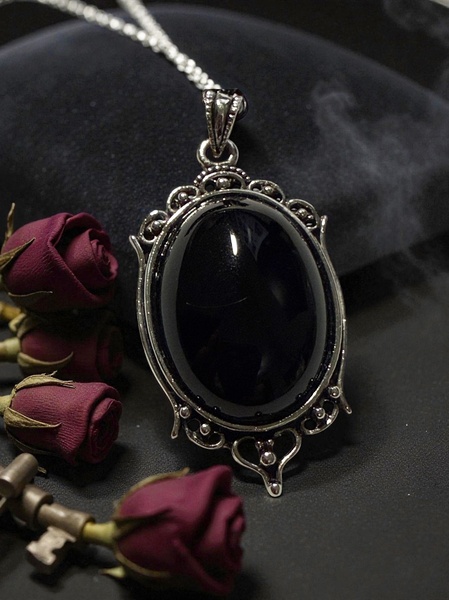
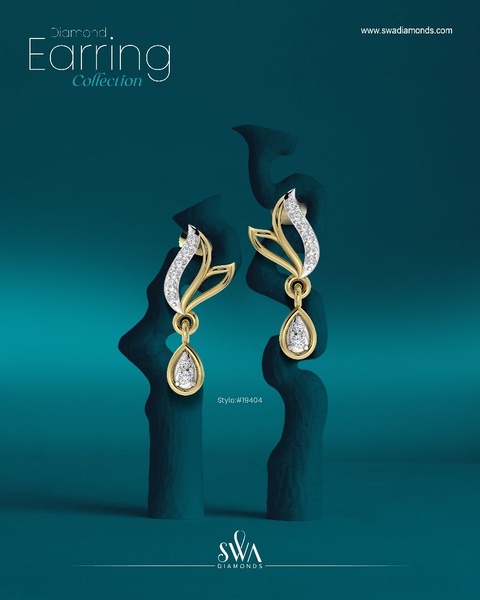
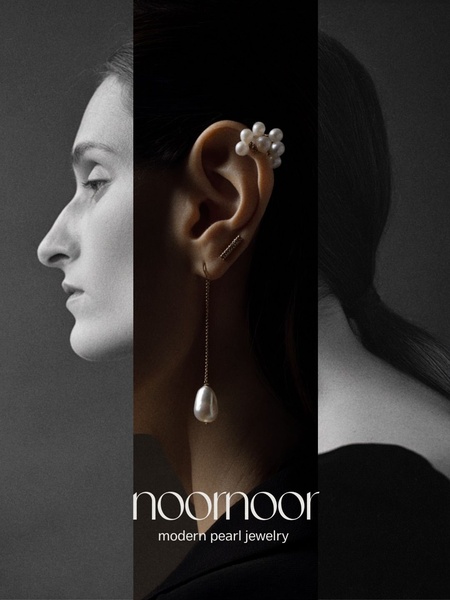
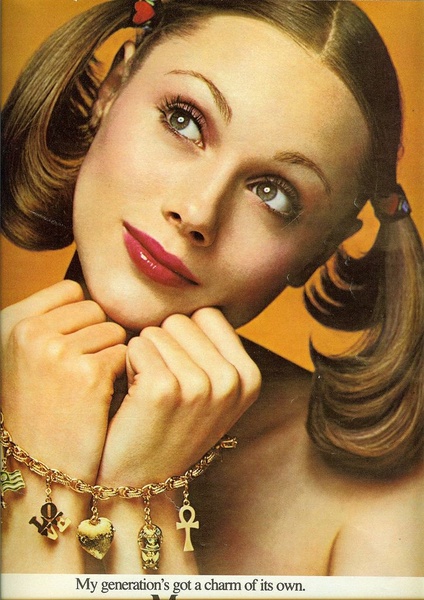
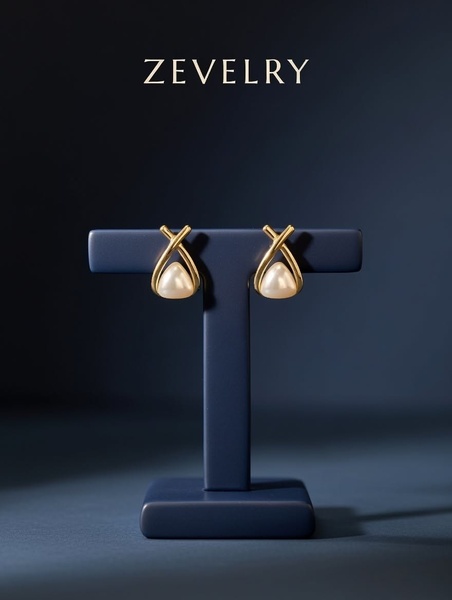
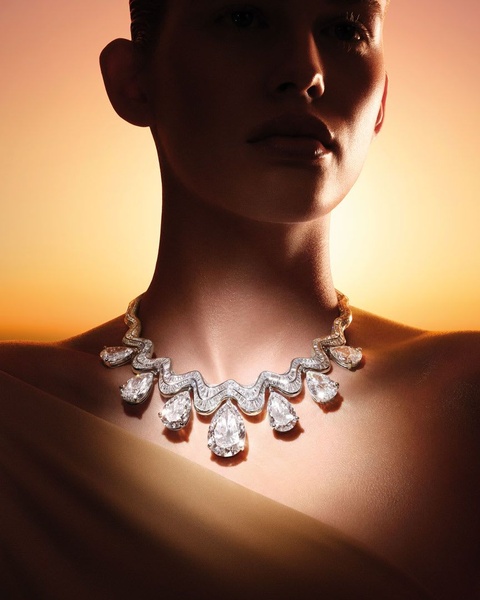
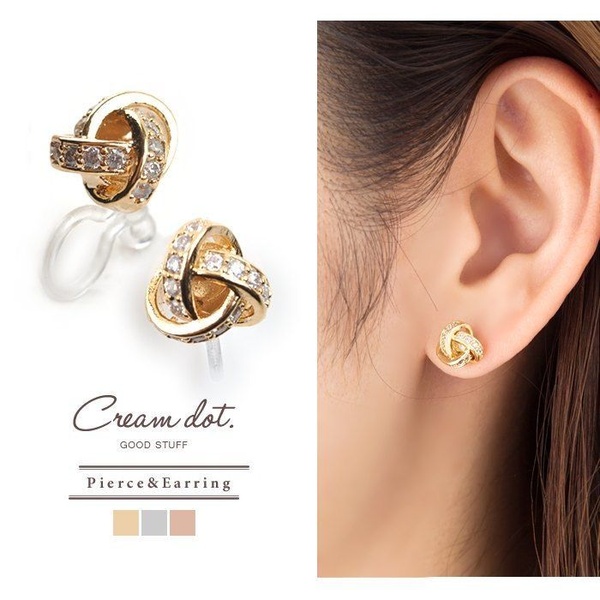
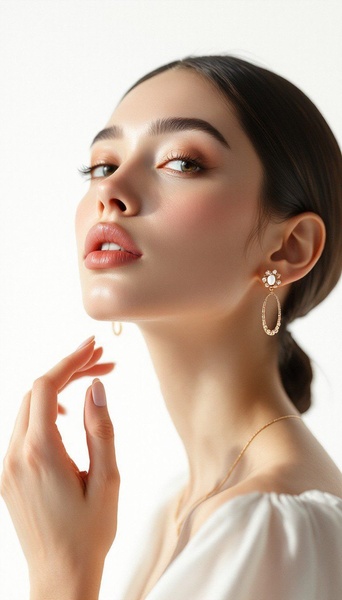
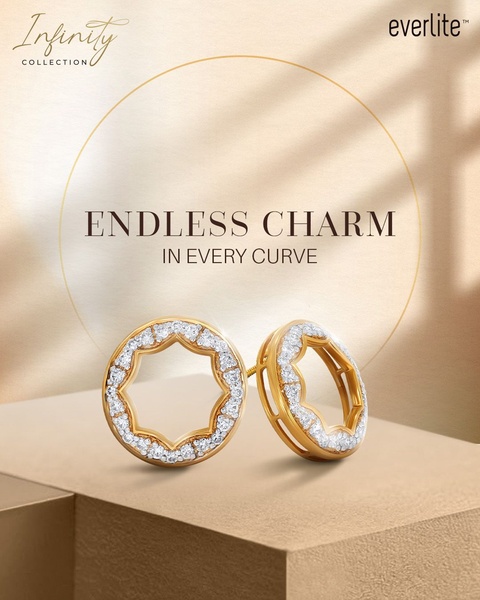
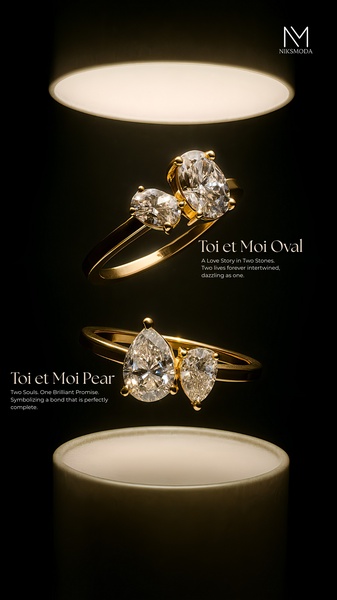
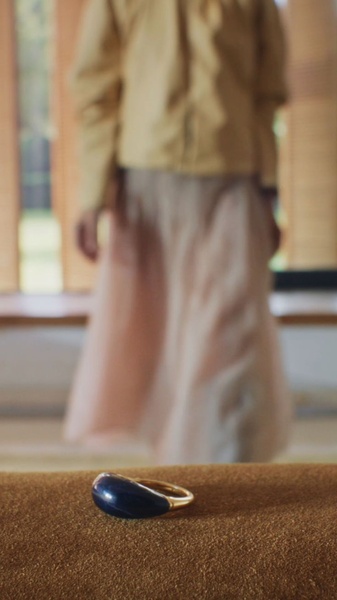
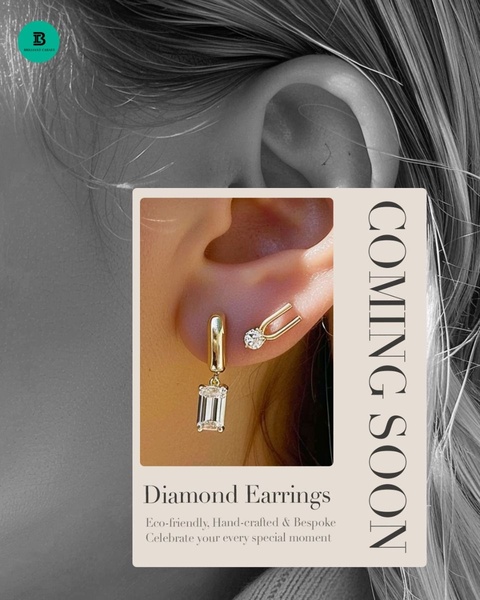
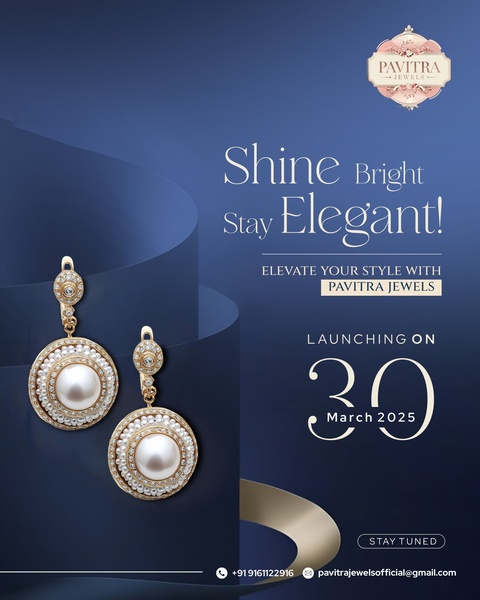
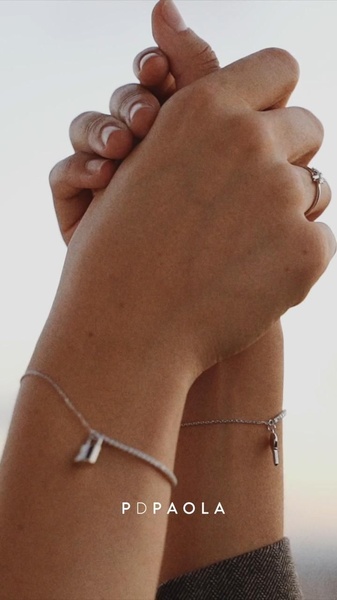
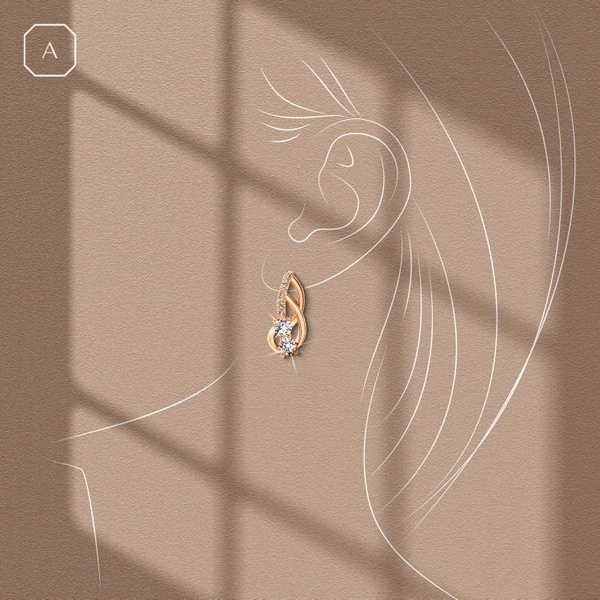
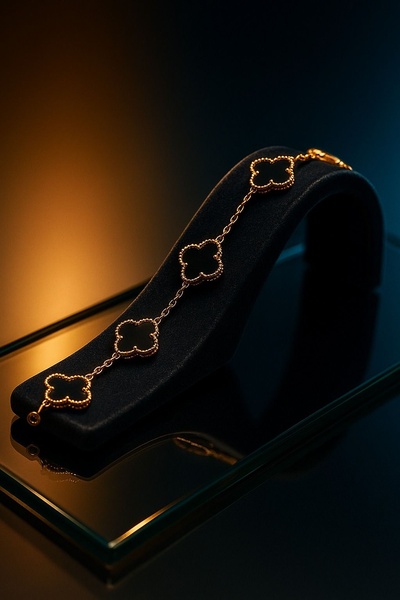
Jewelry is the smallest thing anyone advertises, and it gets judged on a phone. Scroll this library and the middle distance has been deleted. Either the piece is pressed against a body - a stacked ear, a collarbone, a wrist, two hands clasped - or it has been blown up many times life size on a velvet bust, a pink podium, a beige block.
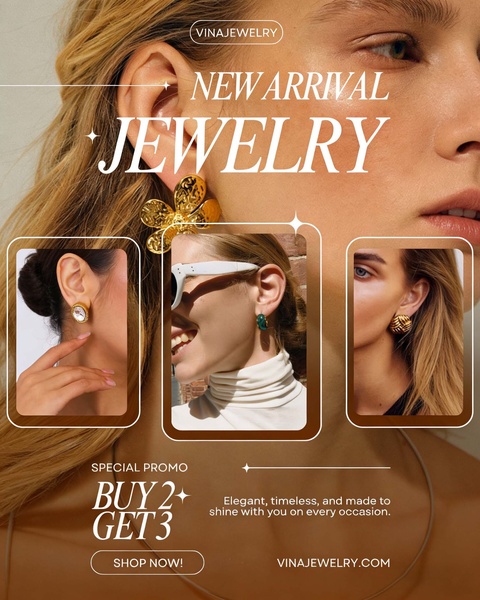
The on-skin shot exists to settle scale. A hoop photographed on its own could be any size, and a buyer who can't tell how it sits won't add it to a cart. That's also why faces are cropped out so often here: the ear or the neck is the set, and a face in the frame competes with something a few millimetres wide.
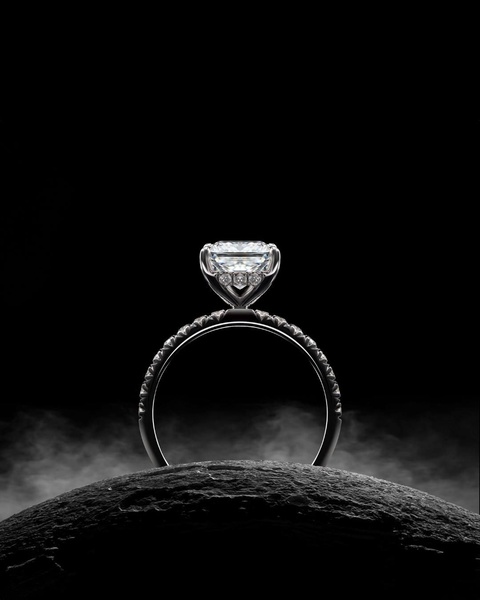
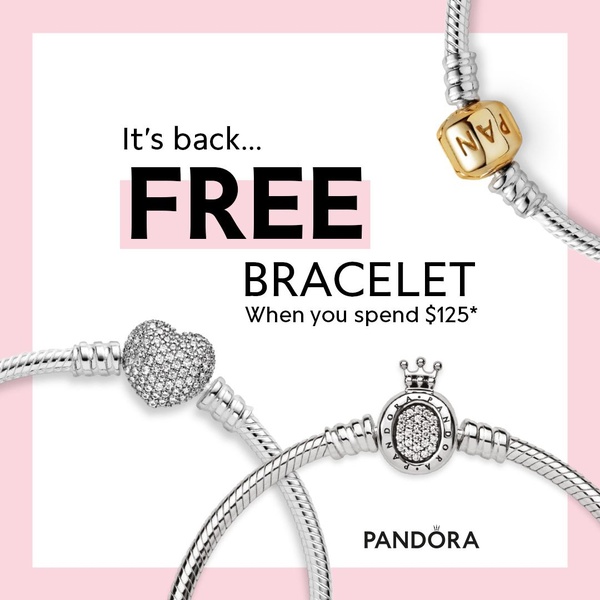
The studio shot takes the opposite job. It makes a stone, a setting, a clasp or a single chain link large enough to inspect, which is a lighting problem before it's a styling one - one hard source for the sparkle, velvet or matte board to kill everything else.
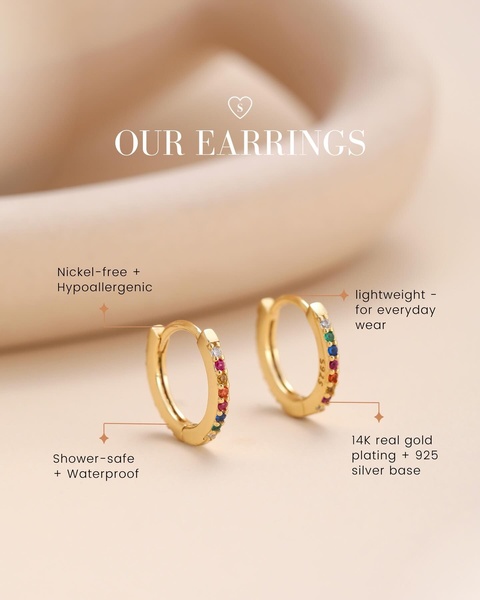
Underneath the two distances sit two different fears, and that's where the niche splits by price band. Bridal and fine creatives sell meaning - a promise, a milestone, two stones read as one bond - and rarely name a material at all. Everyday and demi-fine creatives do the reverse, putting 18K plating over a 925 base, nickel-free, hypoallergenic and waterproof straight onto the image, because the unspoken question at that price is whether the piece will turn someone's skin green. That pressure is heaviest in the necklace ad templates, where the piece is expected to survive being worn every day without coming off.
How Does Promer AI Turn a Jewelry Product Page Into an Ad at Either Distance?
Knowing which distance you need doesn't give you the photograph. Most jewelry brands are sitting on phone shots of a piece on a white table, and that gap - not the copywriting - is where the creative stalls. It is the gap Promer AI is built to close, and each feature below works on its own, so you start from whatever you already have.
AI Ad Prompt is the shortest route. Describe the scene, the message and the look - a stacked ear in warm light, a chain on a velvet bust - and Promer AI generates the creative straight away, with no other feature in between. A product image and a reference ad are optional, but adding them makes the result closer to what you ship. If you don't have an idea yet, "Get ad ideas" suggests five directions and turns one into a ready-to-use prompt.
AI Photoshoot is for the images you already have. It turns them into studio-quality product shots with guided style and composition picks instead of prompt writing, which is what gets a thin chain or a small stone large, lit and clean enough to carry a feed.
AI Ad Clone rebuilds a reference from the library around your piece - the ear-stack editorial, the podium still life, the materials-callout layout - and suggests the headline, body and CTA, each editable. The themes that actually run in this niche are Feature & Benefit for plating and hypoallergenic claims, Offer & Sale for a bundle or a seasonal push, and Headline for a collection drop where the date is the message.
Review everything before it publishes. AI-generated creatives can have mistakes, and in jewelry the expensive ones are a stone shape or setting that doesn't match what you ship. Metal and stone wording carries its own weight too: plated, filled, vermeil and solid mean different things, karat and lab-grown status have to be disclosed accurately, and nickel is restricted for skin-contact pieces in some markets.