


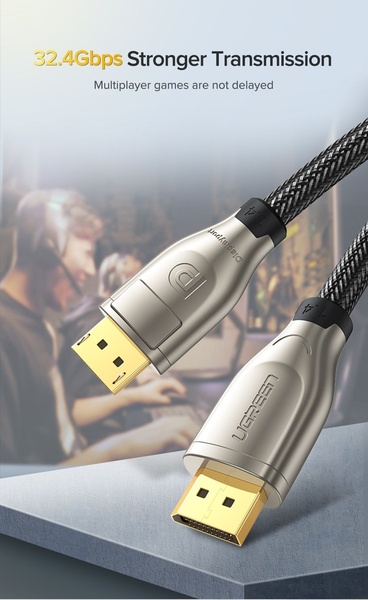
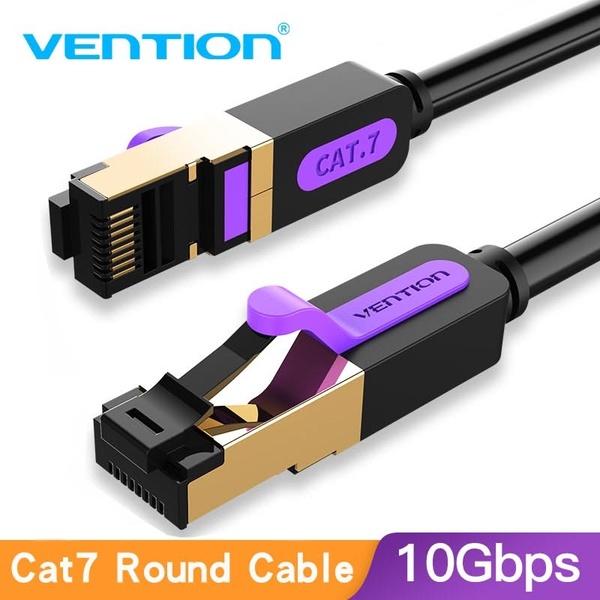
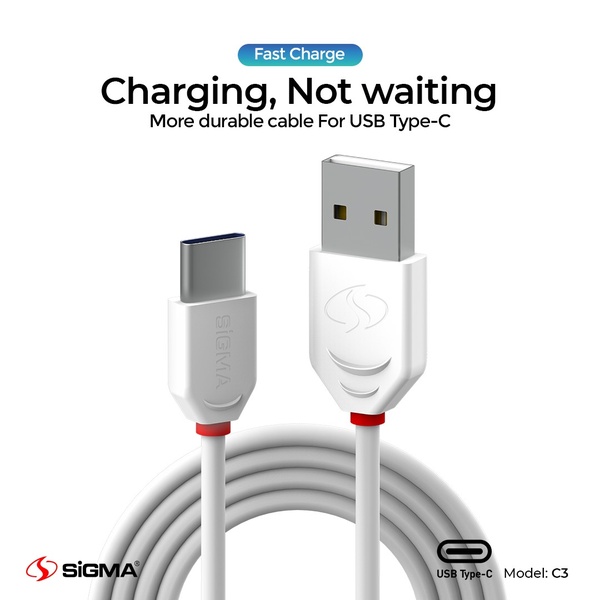
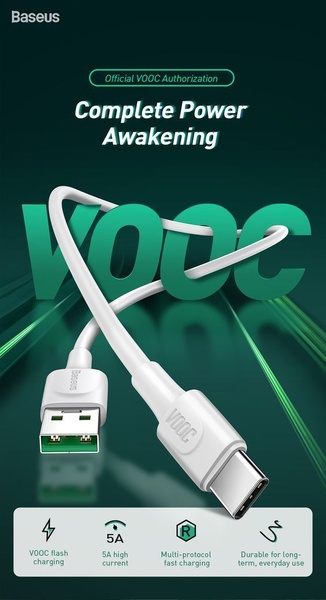
Cable advertising is a spec war - the number is the whole ad
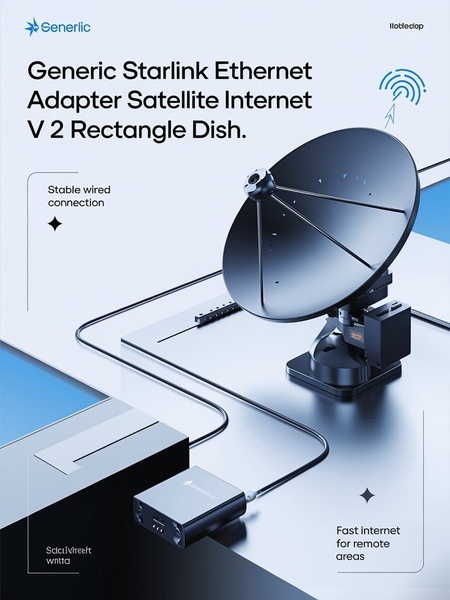
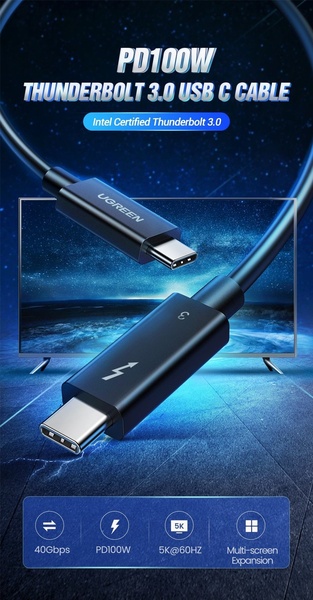
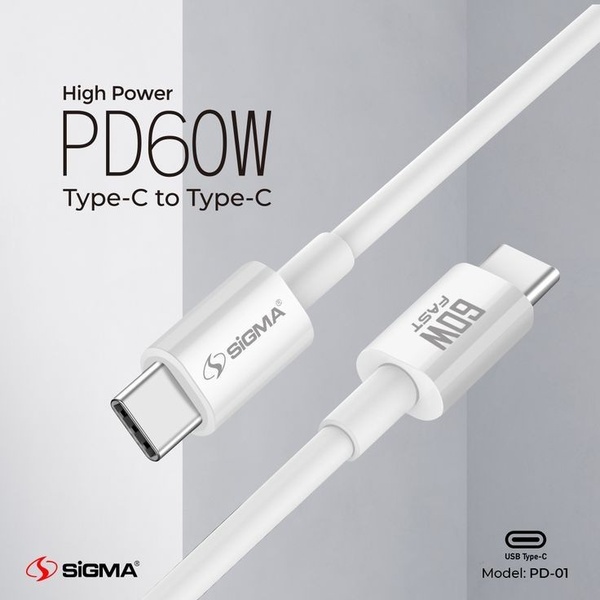
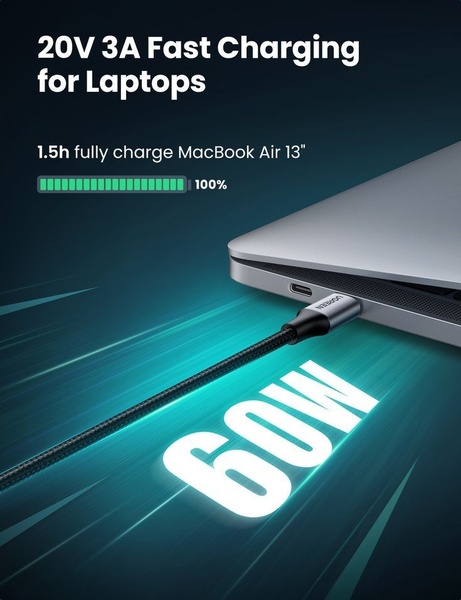
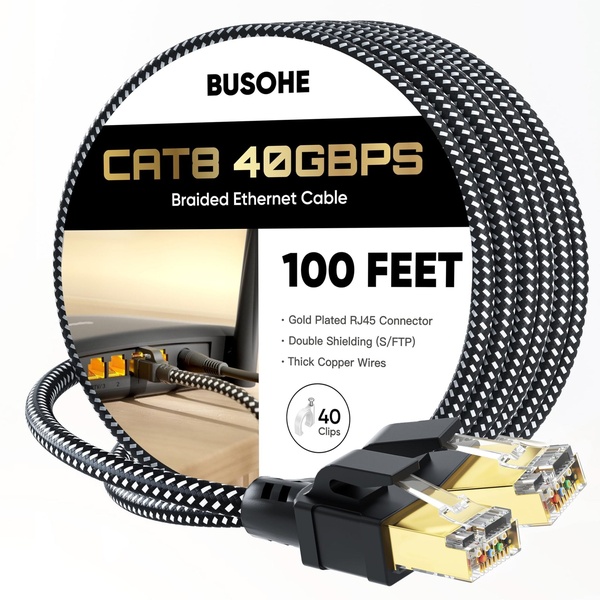
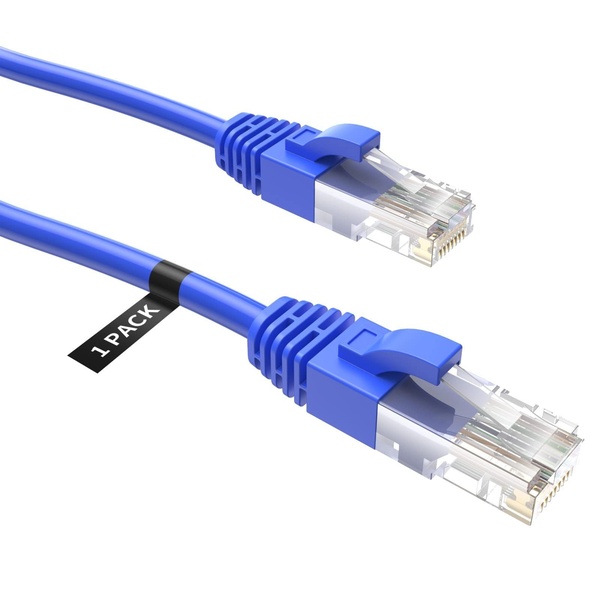
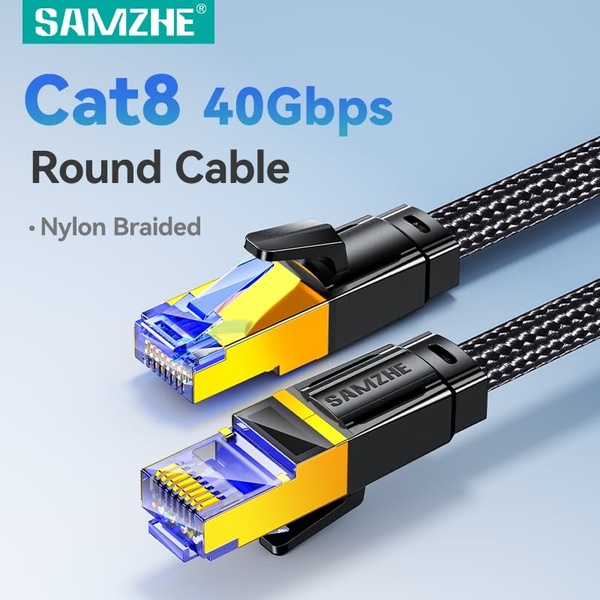
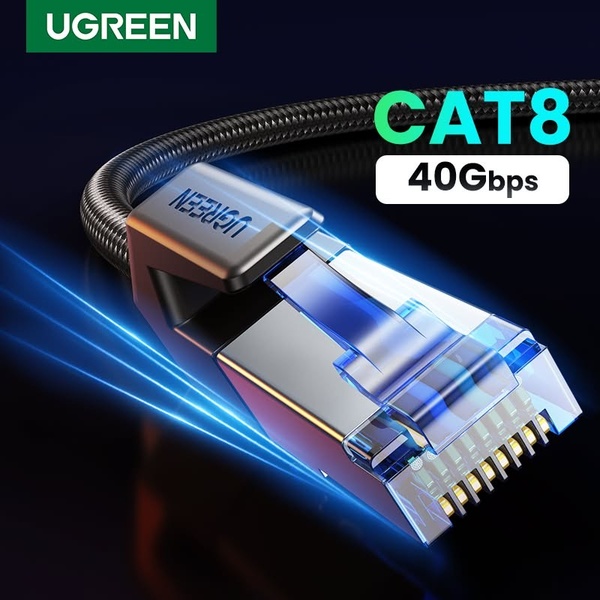
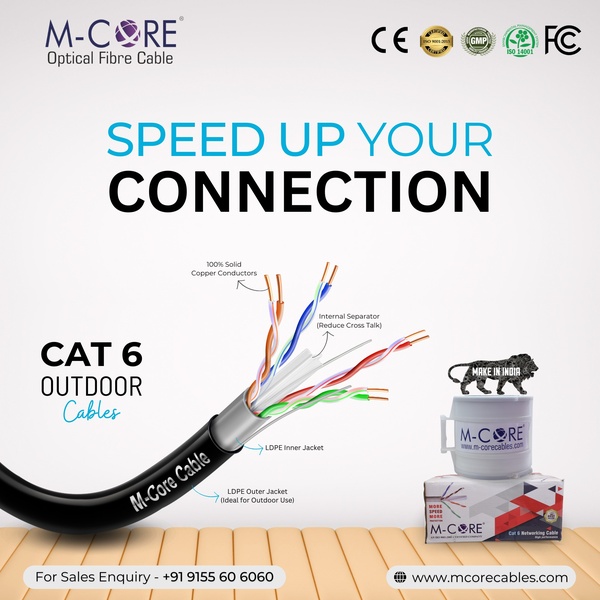
A charging cable or an ethernet cable is a commodity with one job, and the buyer decides on the number. 40Gbps, PD100W, Cat8, 10Gbps, 60W fast charge - the spec isn't a supporting detail, it's the headline, the hero, and the reason to buy. In a category where a dozen cables look nearly identical, the one that states its performance biggest and clearest wins the click.
But a spec alone isn't enough, because the buyer has two more fears the number doesn't answer. The first is durability - cables break, fray, and die, so the ad has to prove this one won't. "Flexible and strong," braided nylon, "I don't believe you can damage it," a bend-test visual - durability proof converts because the buyer has been burned by a cable that stopped working in a month.
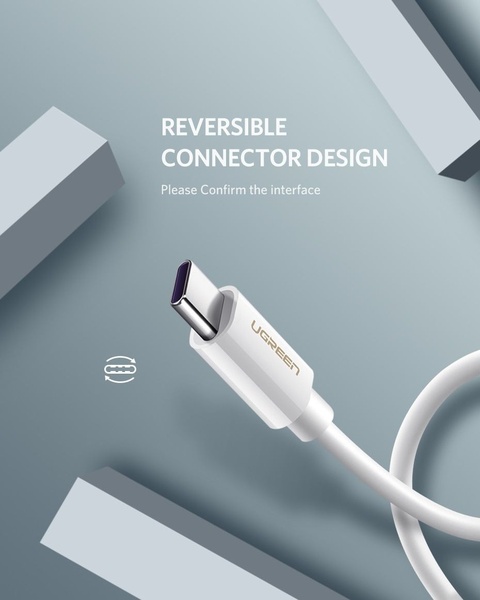
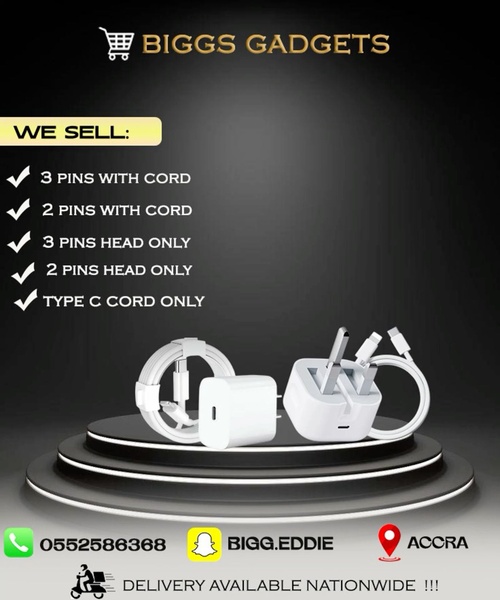
The second fear is compatibility. The wrong connector, the wrong wattage, a cable that doesn't fit the device - this is the return-risk that stops a purchase. An ad that shows the connector types clearly, names the compatible devices, and proves the reversible or universal fit removes the guesswork that makes a buyer hesitate. Spec, durability, compatibility - a cable ad has to win all three.
How Promer AI builds your cable or satellite ad from the spec, the durability, and the fit?
Getting the spec hierarchy, the durability proof, and the compatibility clarity right still leaves the headline, the claim, and the CTA unwritten. That's the part Promer AI handles from your actual product page rather than a blank brief.
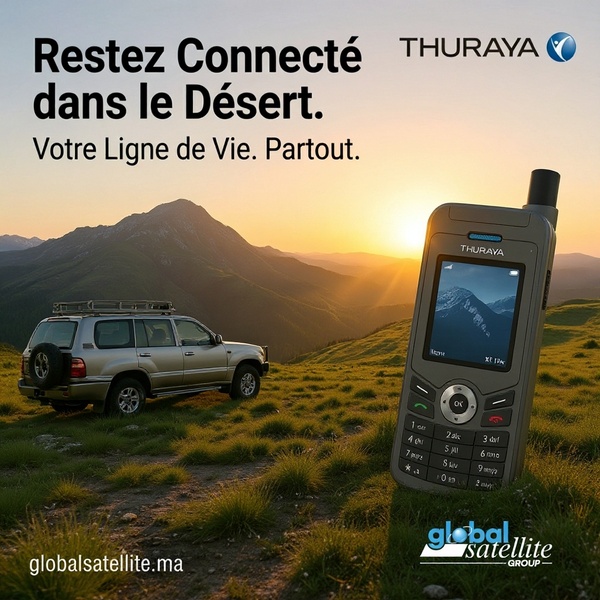
Paste your product page and the AI reads it, pulling out the key spec, the durability feature, the connector and compatibility details, and the use case - fast charging, gaming, remote connectivity. It then writes the headline, body, and CTA on top of the winning structure you picked.
Review every spec claim before it runs - generated creatives can have mistakes - and make sure every technical detail matches your product's actual specification.