


Every milk ad is quietly taking a side in the fight over what milk should be
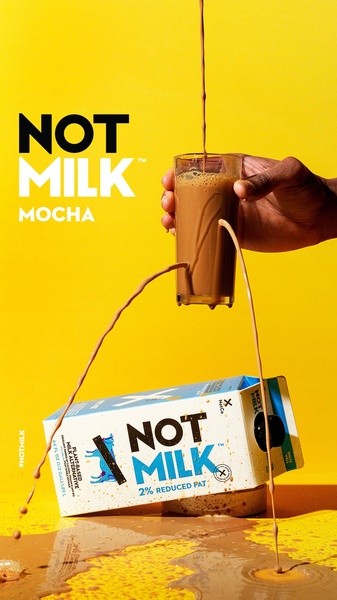
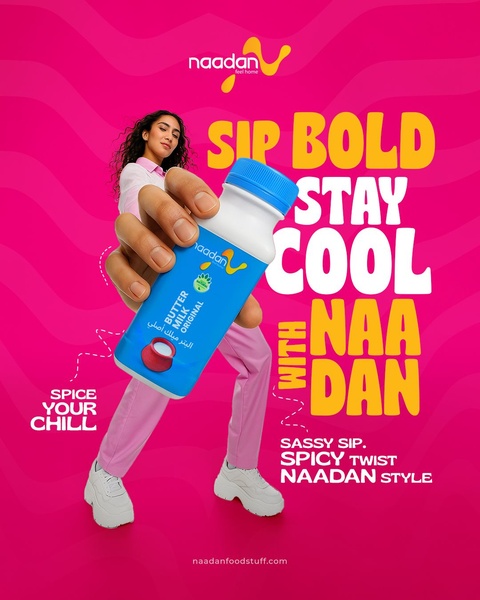
Milk used to be one thing. Now the word covers dairy, oat, almond, high-protein, barista blends, and probiotic drinks - and they're all competing for the same glass. That's what makes milk advertising different from any other beverage: every milk ad is implicitly arguing for a definition of milk, whether it leads with tradition, disruption, or function. The ad isn't just selling a carton; it's staking a position in a category at war with itself.
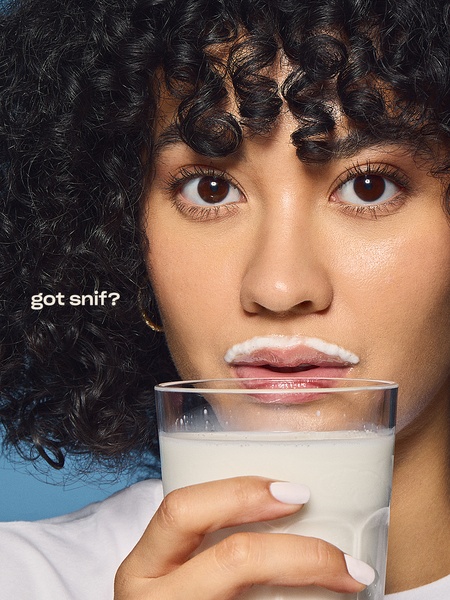
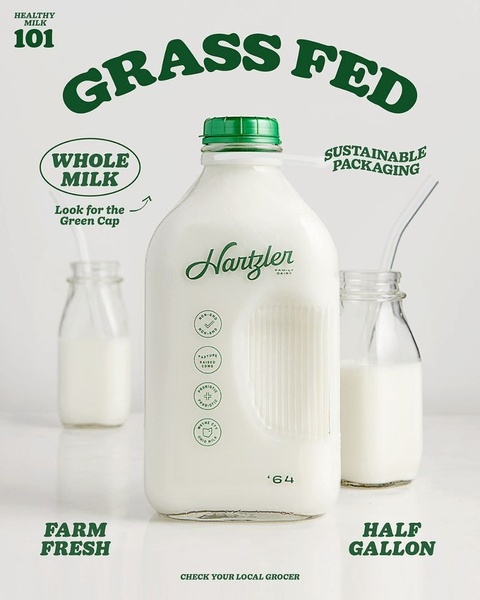
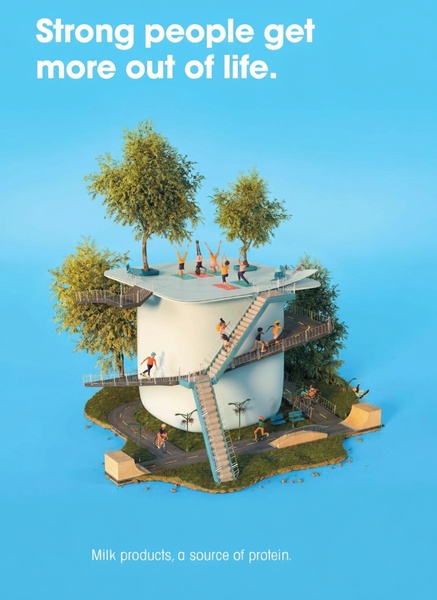
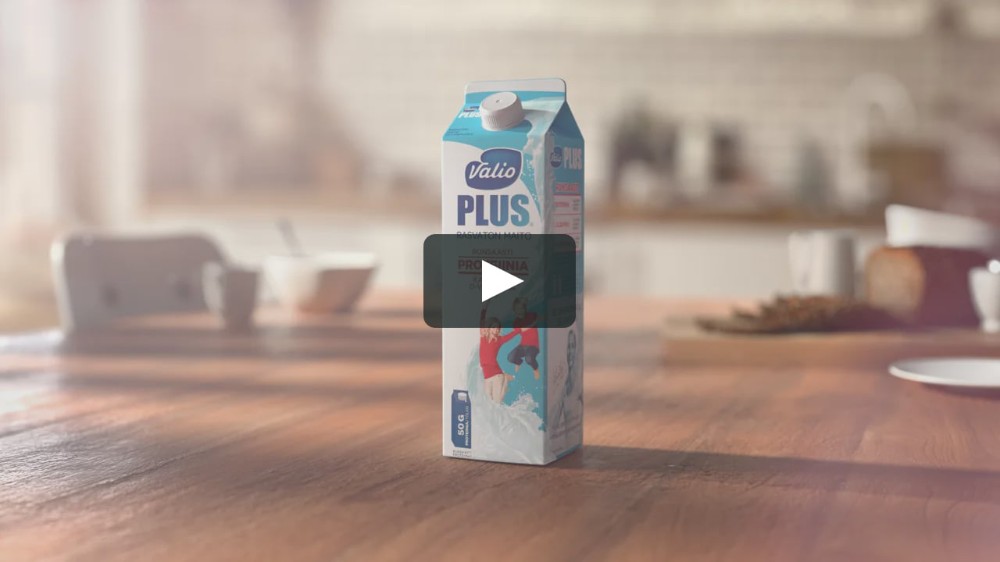
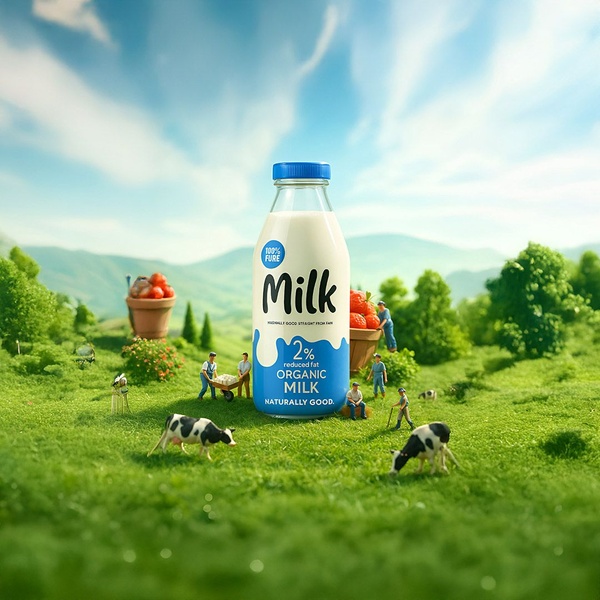
Dairy brands lean into heritage and wholesomeness - grass-fed, farm-fresh, the pastoral image, "strong people get more out of life," the nostalgic milk mustache. Their pitch is authenticity and the trust of the original. It converts the buyer who wants real milk from a real farm and is reassured by the tradition.
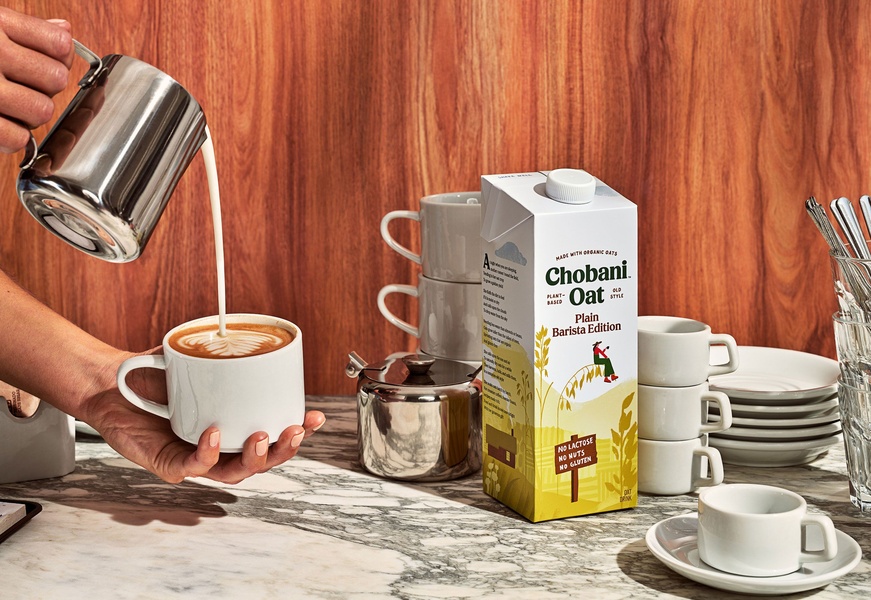
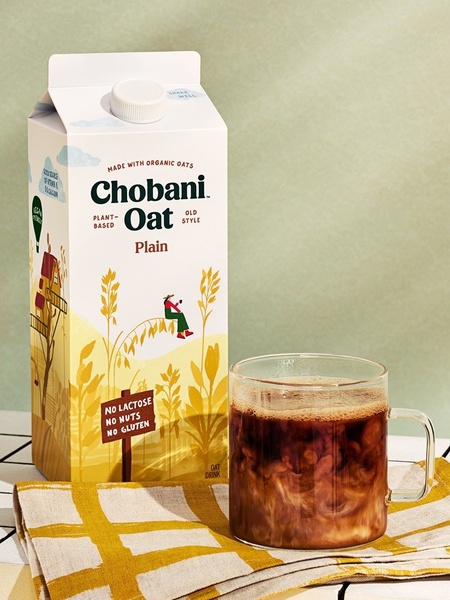
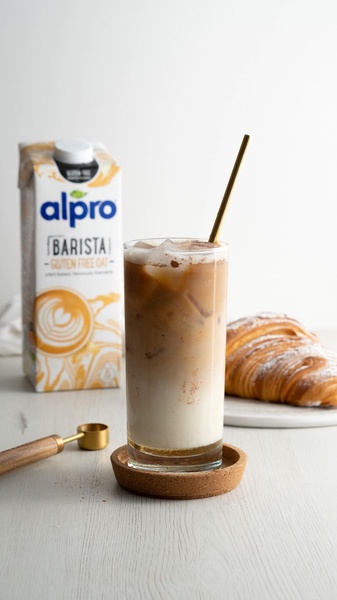
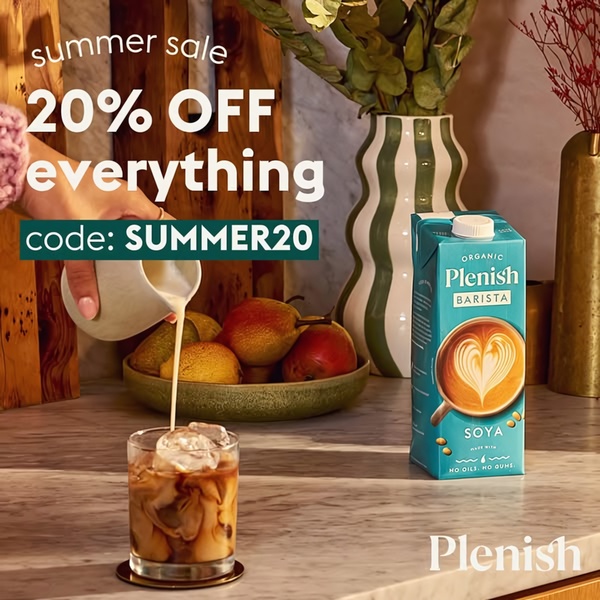
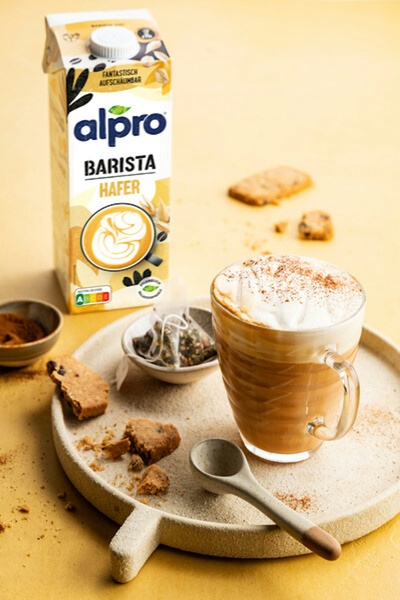
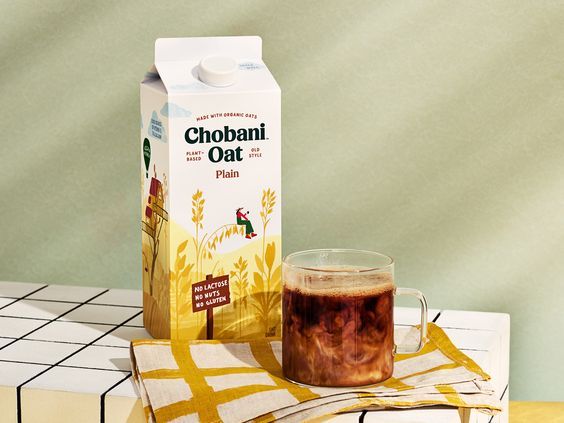
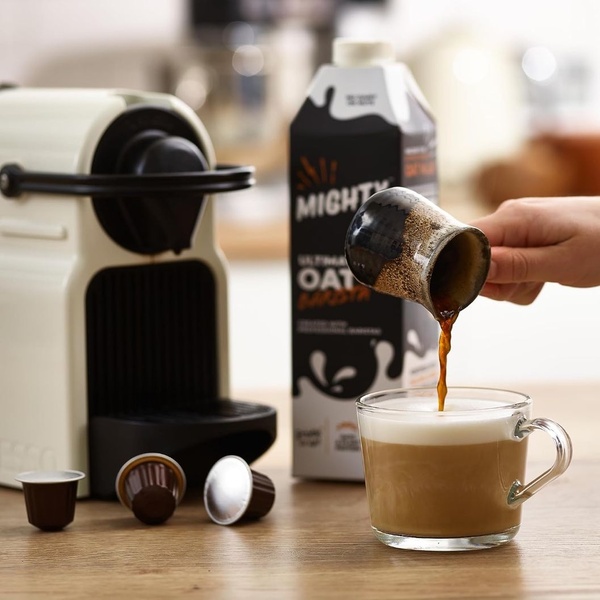
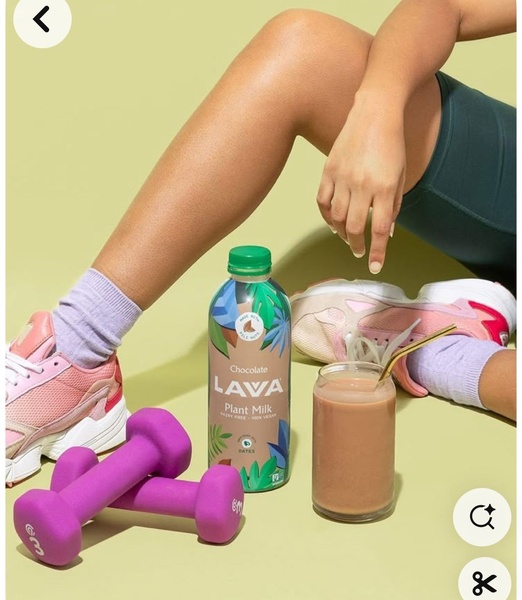
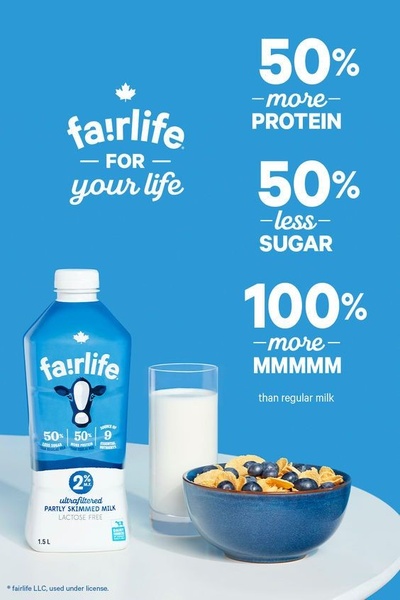
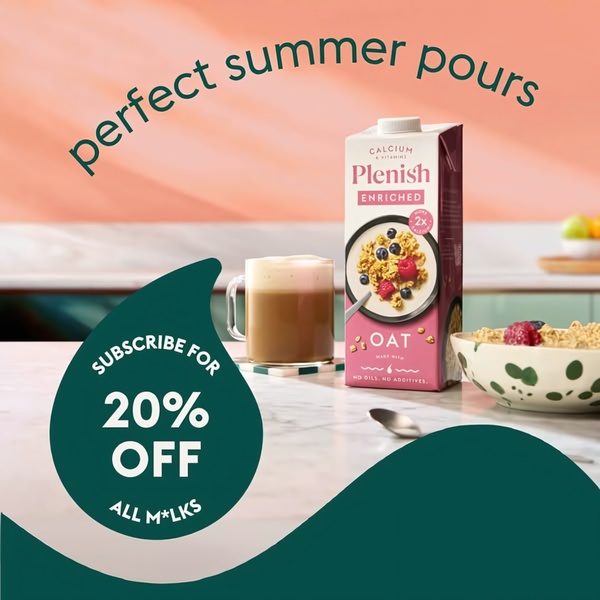
Plant-based and functional brands do the opposite - they position against traditional milk. Oat milk sells itself as the coffee companion and the modern, sustainable choice. High-protein milk reframes the drink around fitness and macros ("50% more protein, 50% less sugar"). These convert the buyer who has already questioned whether traditional dairy fits their life, and offers them a milk that does.
How Promer AI builds your milk ad from the positioning, the proof, and the buyer?
Knowing which side of the milk debate your product is on - heritage, plant-based, or functional - still leaves the headline, the claim, and the CTA unwritten. That's the part Promer AI handles from your actual product page rather than a blank brief.
Paste your product page and the AI reads it, pulling out the milk type, the key differentiator (grass-fed, oat, protein, probiotic), the benefit, and the buyer you're reaching. It then writes the headline, body, and CTA on top of the winning structure you picked.
Review every claim before it runs - generated creatives can have mistakes - and make sure any nutrition or sourcing claim matches your product's actual label.