





What Makes a Magazine-style Ad Different From a Standard Product Ad?
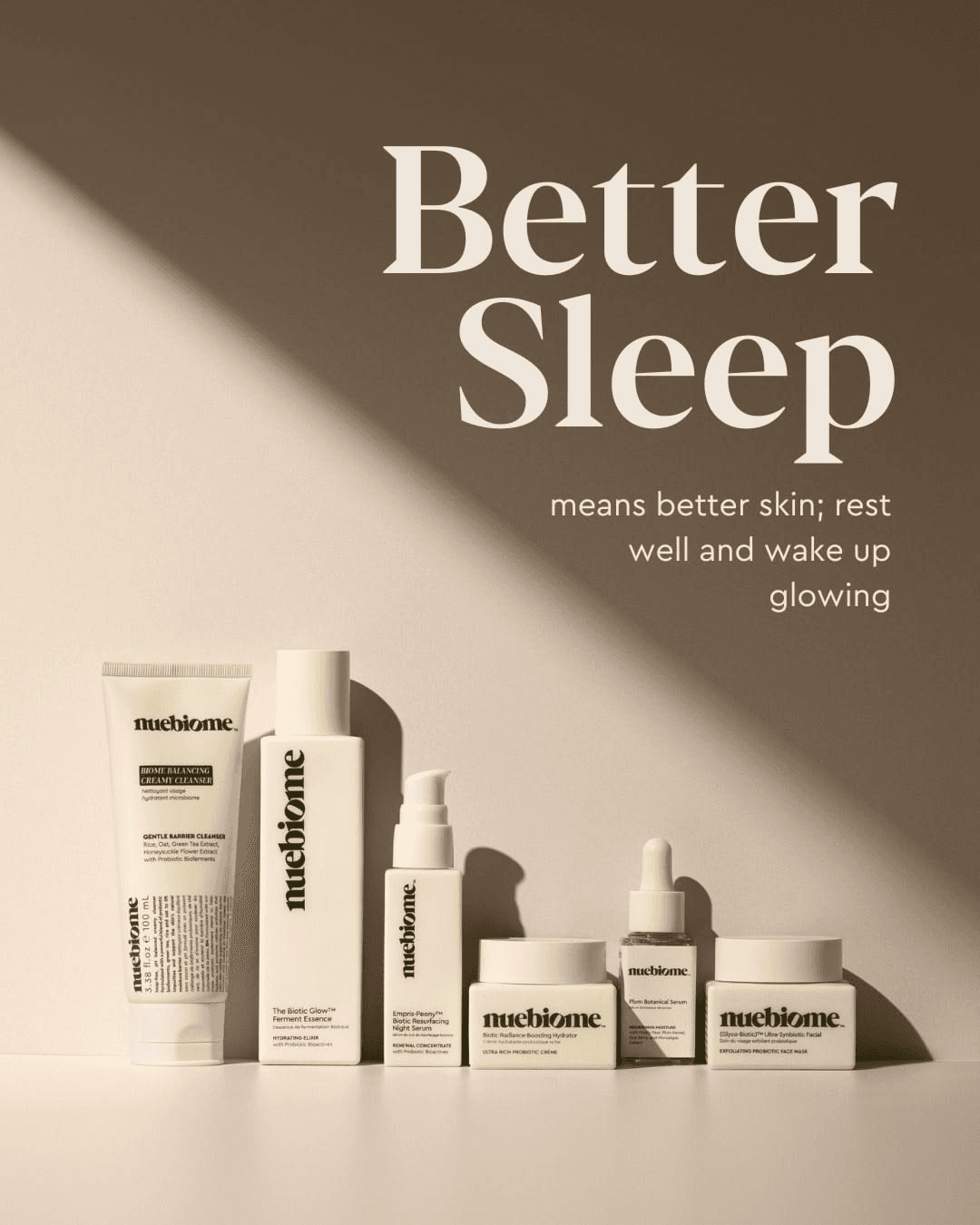
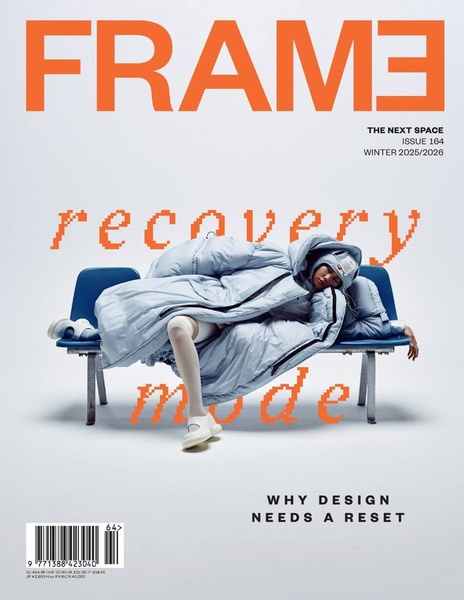
A magazine ad earns its look by doing less, not more. One dominant visual, minimal copy, and a single message strong enough to work without a caption - that's the editorial structure, and it's the opposite of most ecommerce ads, which pack in a product shot, a headline, three bullet points, and a discount badge before the viewer has focused on anything.
That restraint is also what makes it hard. A standard product ad can get away with clutter because the offer does most of the work. A magazine-style ad puts everything on the visual and the one line of copy - both have to be strong enough to stand alone.
The structures that work here tend to be Bold Claim (a headline strong enough to carry a full-page spread), Feature & Benefit (a visual detail paired with a single, precise descriptor), and Testimonial framed as a pull-quote, because all three can work with very little else on the page.
Magazine Ad Examples: Five Products, One Editorial Structure
Five completely different products, all using the same restrained editorial structure to earn attention.
Yellowfin Tuna - Authority-Driven Visual
- Hook type: Authority-Driven Visual
- Theme: Editorial Magazine Authority
- Platform: Facebook, Instagram
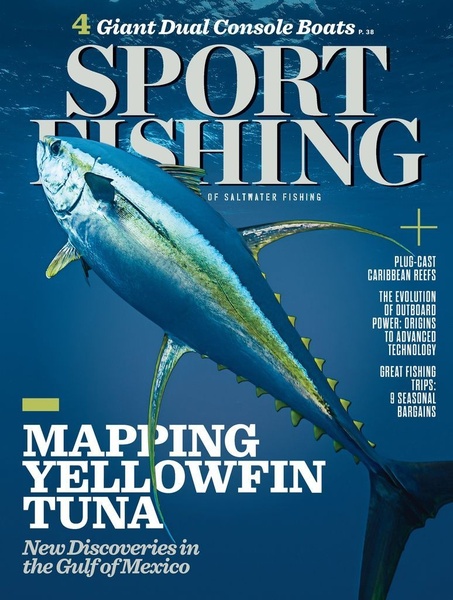
A full-bleed underwater shot of a tuna with large white type on deep blue - no product callout, no CTA button, just a headline strong enough to hold a full-page spread. The magazine-cover treatment borrows print credibility to make the subject read as editorial content rather than a promotion.
Interior Catalog - Authority-Driven Educational Value
- Hook type: Authority-Driven Educational Value
- Theme: Minimalist Editorial Aesthetic
- Platform: Instagram, Pinterest
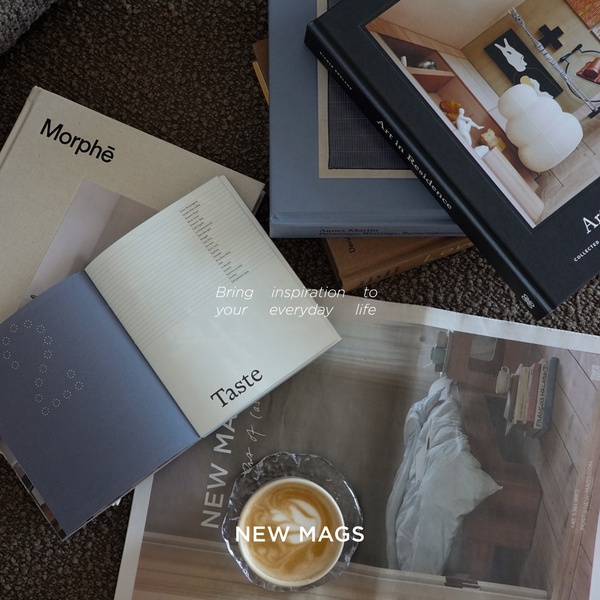
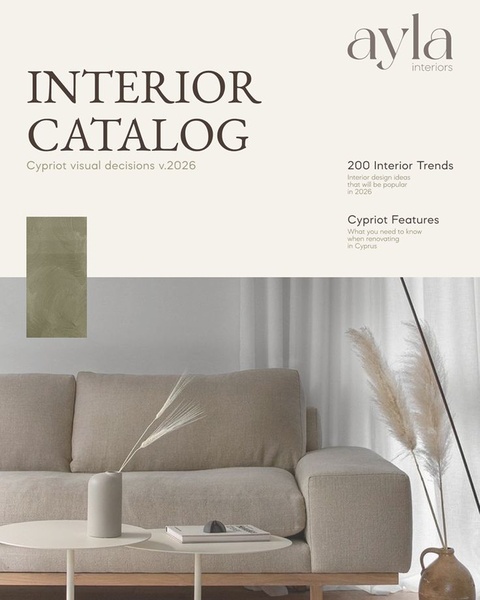
Beige and cream tones, clean type, and a single specific number - "200 Interior Trends" - do the entire pitch. The specificity is what separates this from a vague design-brand ad; a number reads as research, not marketing copy.
Fashion Apparel - Provocative Visual Statement
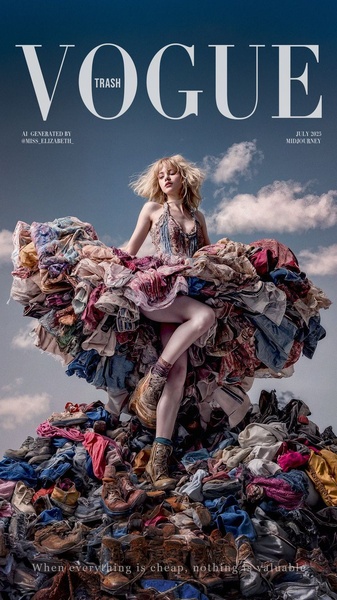
- Hook type: Provocative Visual Statement
- Theme: Surrealist Social Commentary
- Platform: Instagram Stories, TikTok
A model posed on a pile of discarded clothing, shot with the same polish as a high-fashion cover. The editorial format here isn't selling authority - it's using the contrast between beautiful photography and an ugly subject to make a claim the viewer has to sit with for a second longer than a normal scroll.
Magazine Cover Concept - Visual Intrigue
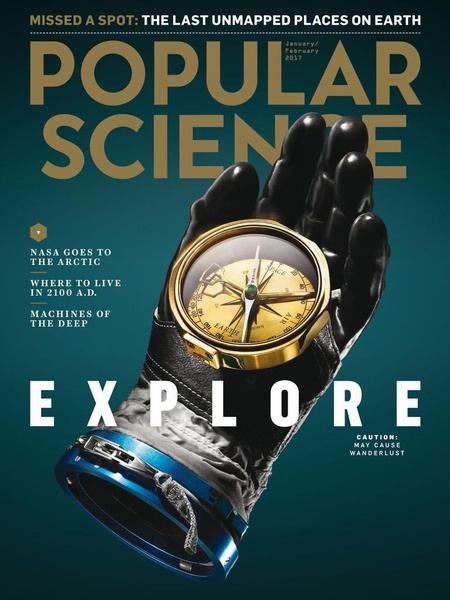
- Hook type: Visual Intrigue
- Theme: Editorial Authority
- Platform: Instagram, Pinterest
An astronaut-gloved hand holding a brass compass against deep teal - a strange enough pairing that the eye has to stop and resolve it. No product is even named; the object itself is the entire hook, styled like the cover of a magazine that doesn't exist yet.
Tennis Jacket - Contextual Credibility
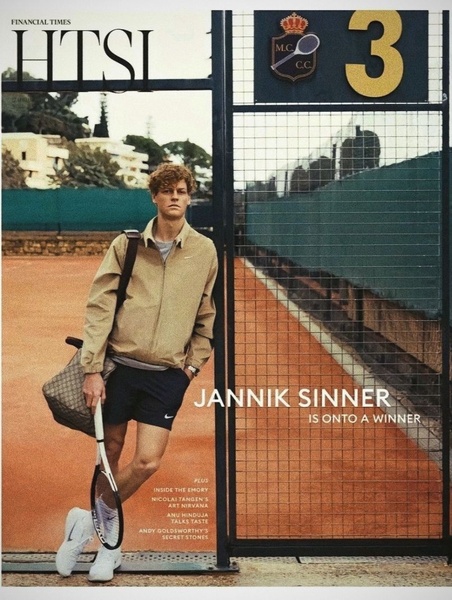
- Hook type: Contextual Credibility
- Theme: Prestige-Driven Editorial
- Platform: Instagram, Facebook
The jacket appears in a professional sports setting rather than on a plain backdrop - the context does the credibility work a bullet-point feature list would otherwise have to do. Beige, black, and terracotta keep the frame cohesive instead of loud.
The One Rule Every One of These Magazine Ads Follows (Even Though the Products Don't)
A fish, a furniture catalog, a dress, a compass, and a jacket have nothing in common as products. What they share is a discipline: one dominant visual carrying the entire ad, a restrained or high-contrast-but-limited palette, and text short enough to read as a headline rather than a pitch.
None of the five explain themselves. The tuna ad doesn't say what it's selling. The compass ad doesn't name a product at all. That omission is deliberate - the moment an editorial-style ad starts justifying itself with a feature list, it stops looking like a magazine cover and starts looking like a normal ad again.
If one of these five treatments fits the mood you want for your own product, Promer AI's Ad Clone recreates that structure around your product instead of starting from a blank layout.
How Promer AI Builds an Editorial Ad From Your Product?
Knowing the structure still leaves the actual layout, copy, and visual direction unwritten - that's where most brands hit a wall, because the editorial aesthetic looks simple but isn't easy to execute from a blank brief. That's the part Promer AI's AI ad maker handles directly from your product page.
Paste your product page and the AI reads it, pulling out the product detail, the ideal customer, and the angle most worth a single strong statement. It then writes the headline and CTA on top of the editorial structure you picked, generating the creative in the platform ratios you need.
If you have a product but no direction yet, Promer AI's Ad Concept reads your page and generates angle options built from your product context before any design begins.
Review the output before it runs - generated creatives can have mistakes - and use the Brand Kit and "Add specific request" field to steer the visual tone until it looks like yours, not a generic spread.