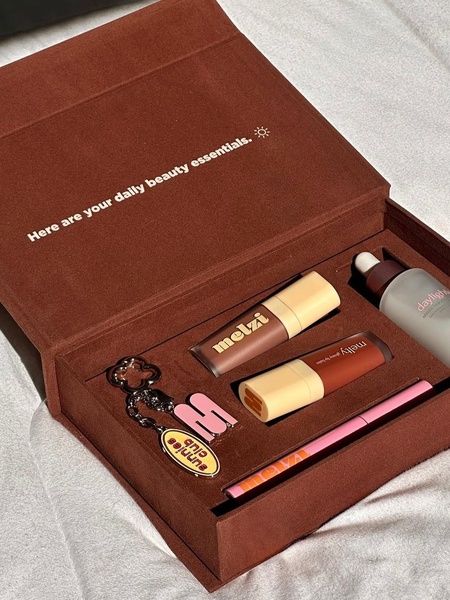
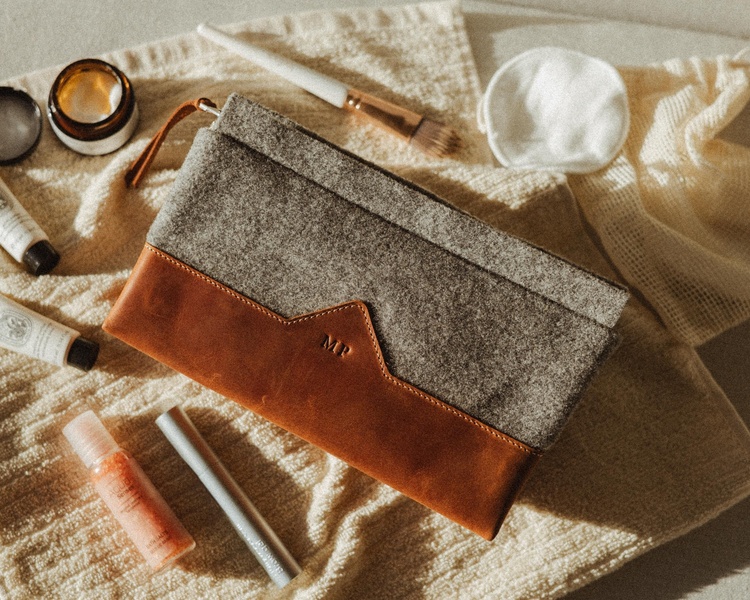
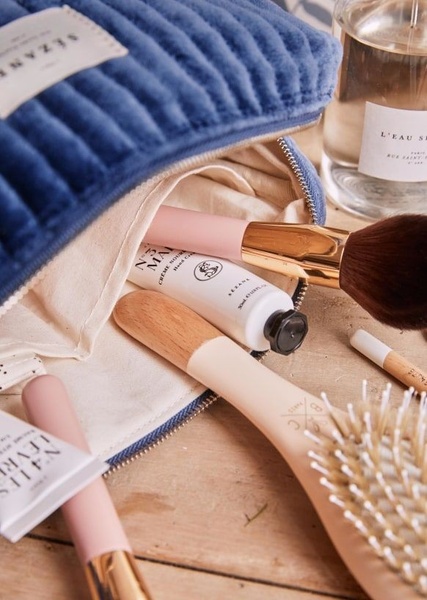
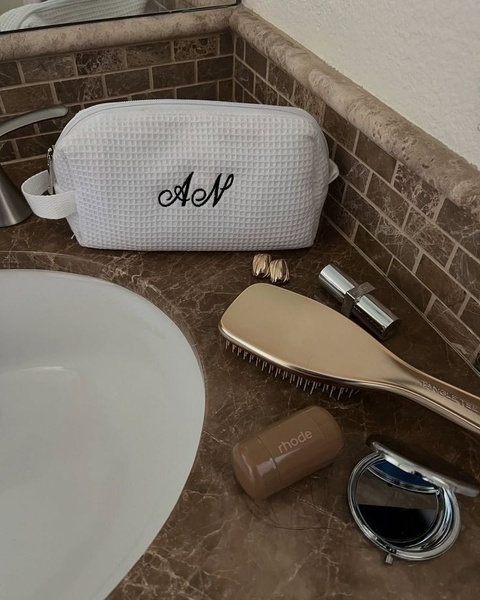
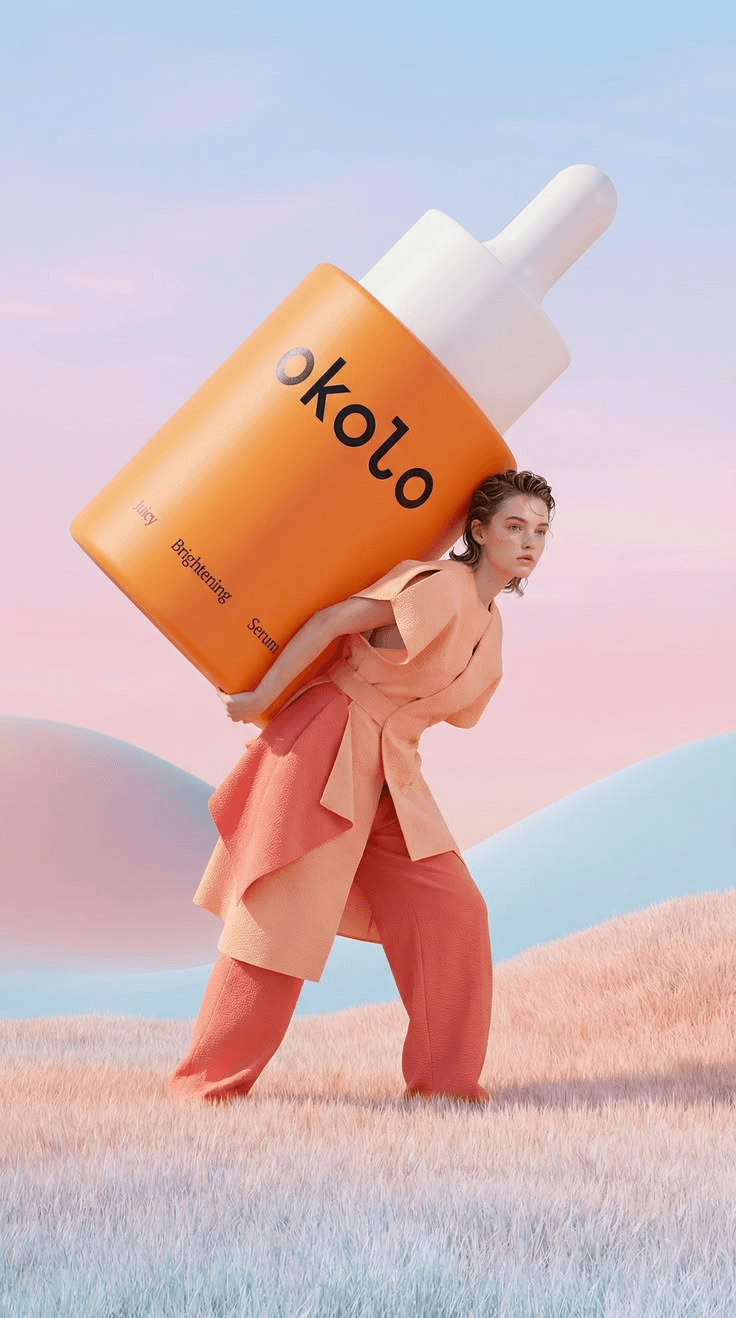
Real cosmetic ads - luxury product shots, gifting occasions, brand aesthetic - tagged by the format doing the work, so you brief your next campaign from what's already converting. Promer AI reads your product and builds the ad for you.
It's a proven ad structure - the format, layout, and messaging behind a cosmetic ad that already converted - applied to your own product. In Promer AI, each template is tied to a real top-performing ad and a creative theme, and the AI generates the actual ad from your product context, so you start from a structure that worked, not a blank layout.
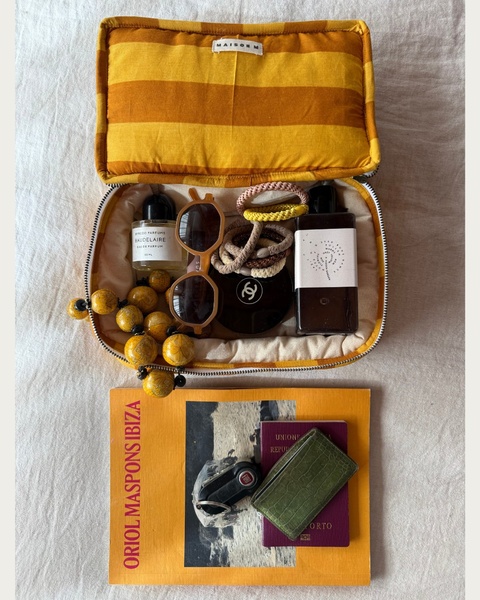
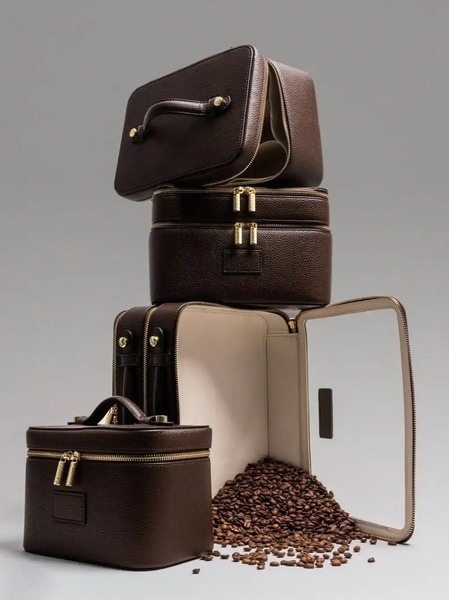
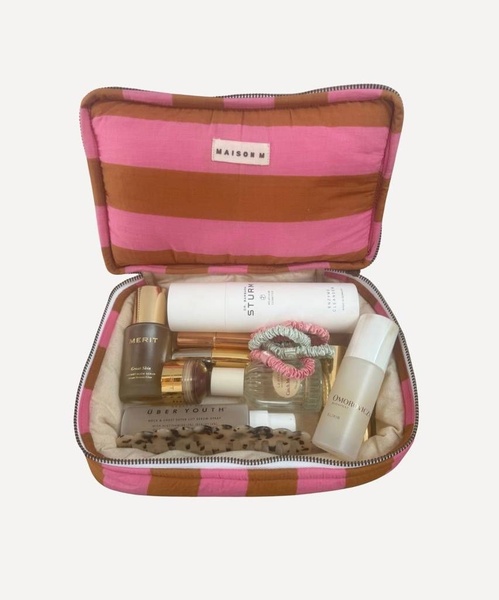
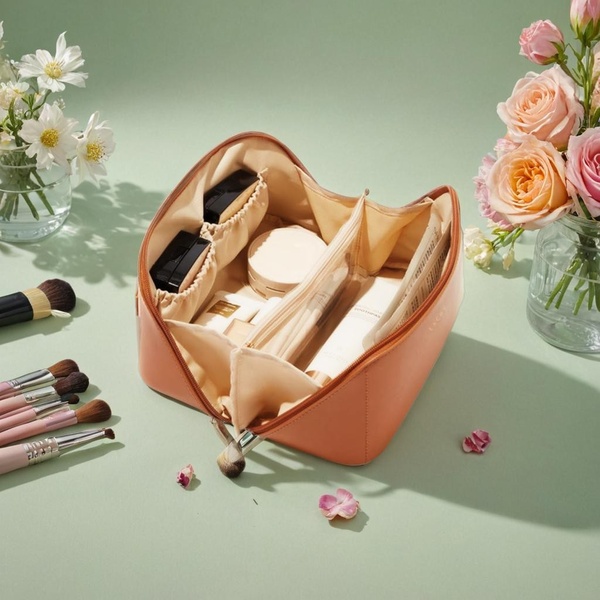
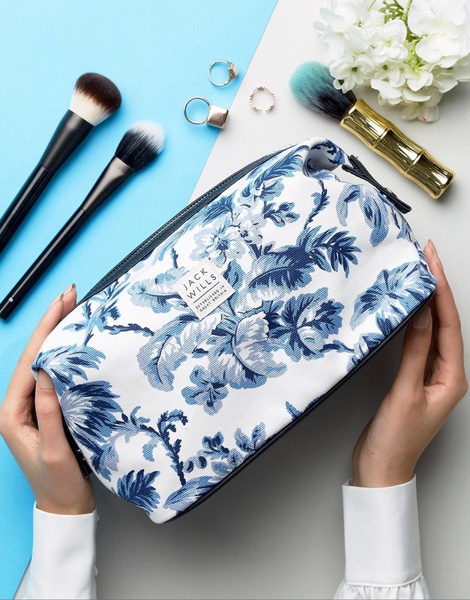
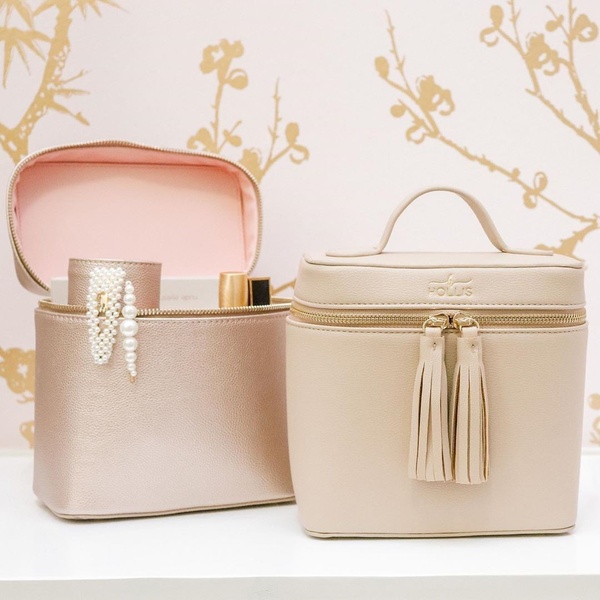
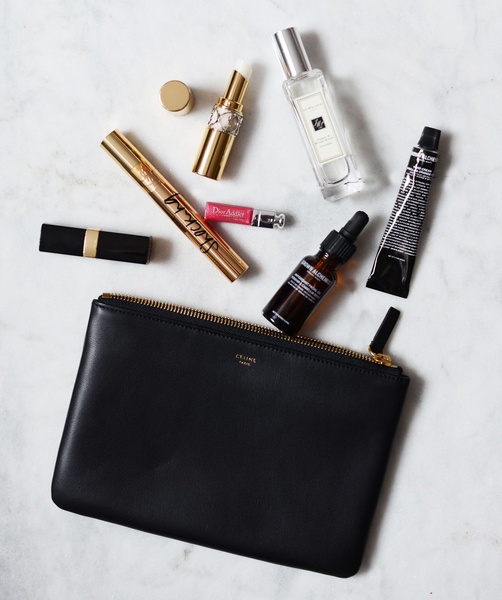
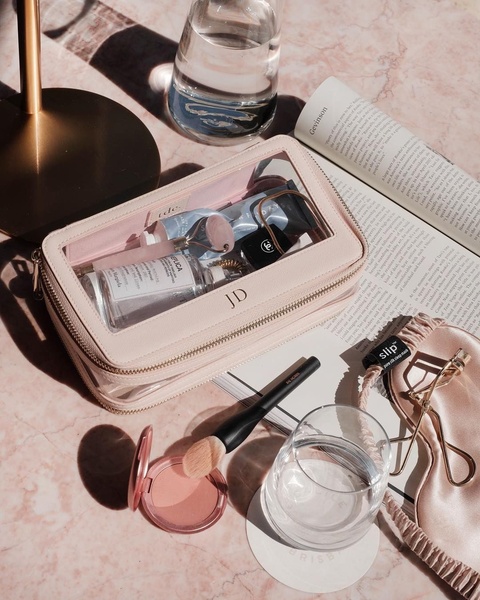
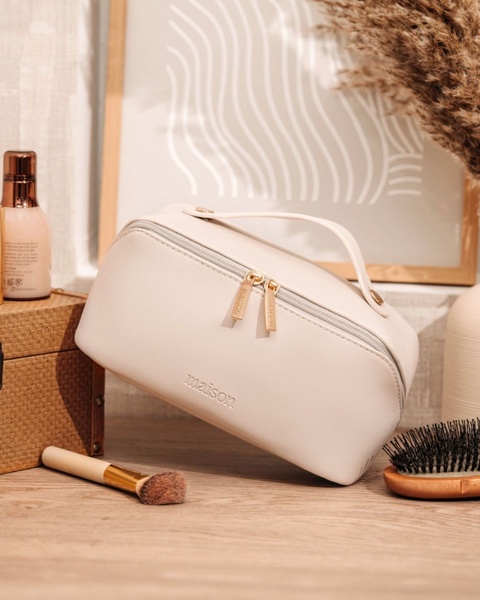
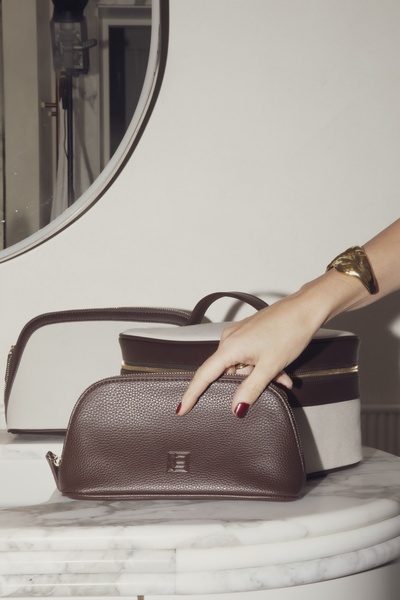
Brand Aesthetic (the product as a composed luxury object with editorial lighting), Product Hero (a close-up of the product - the lipstick, gloss, or palette - with dramatic texture detail), and gifting-led Headline and Offer & Sale formats (occasion-framed, gift-set-led, early access) are the dominant structures in top-performing cosmetic ads. Bold Claim also works well for shade range or finish-specific positioning.
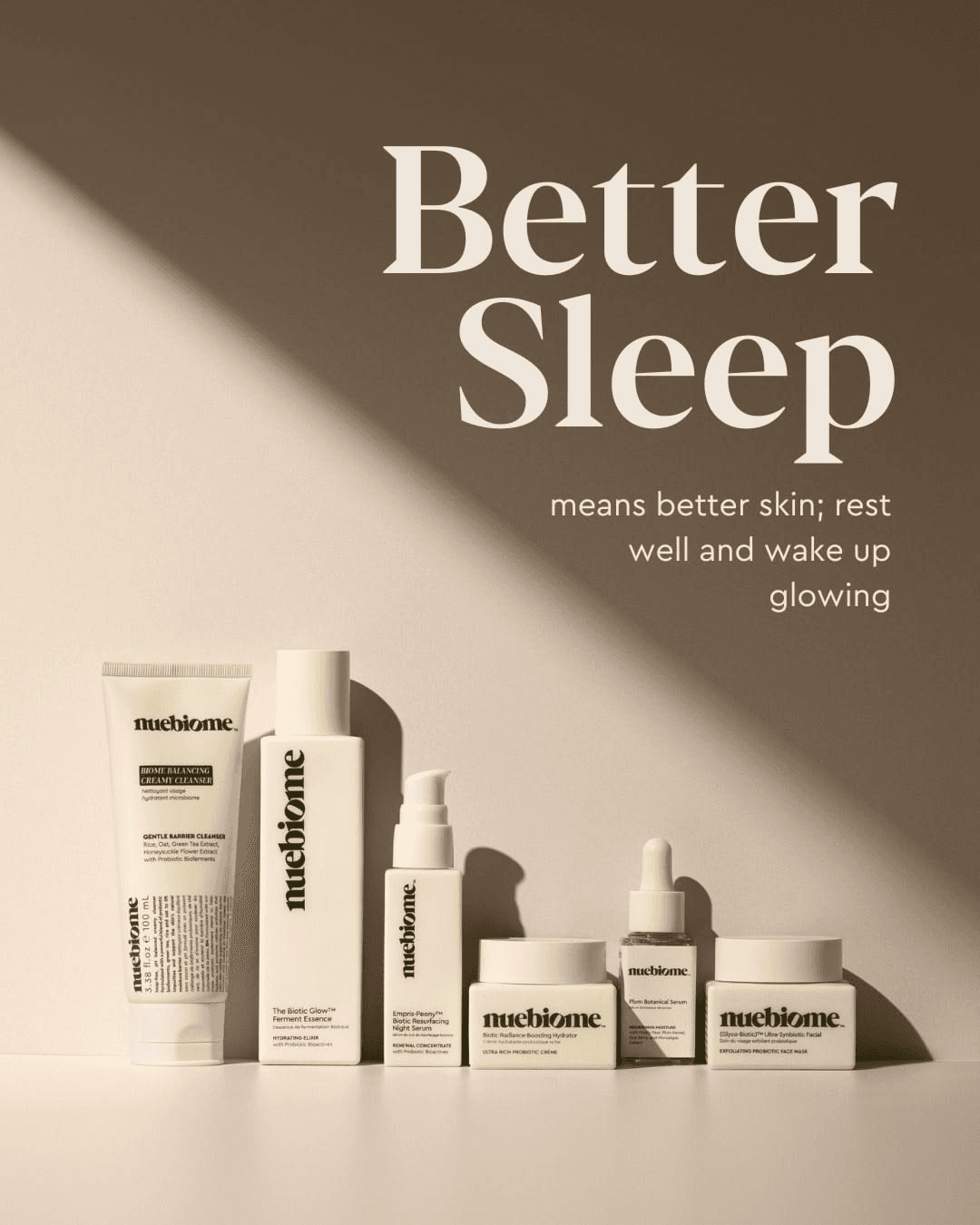
Skincare sells a result - a transformation, an ingredient's effect over time, or a before-and-after. Cosmetics sells the immediate effect and the product as an object of desire - the color, the finish, and how it looks. That means the proof structure is almost the opposite: skincare relies on evidence and ingredient credibility, while cosmetics relies on visuals strong enough to sell before the copy does.
A close-up that shows the finish, texture, and color accurately - dramatic lighting on a lipstick, gloss catching light, or a palette opened to its full shade range. The visual answers the buyer's biggest question ('Does this shade or finish look the way I imagine it?') faster than copy can. A flat packaging shot usually leaves that question unanswered.
Lead with the recipient and the occasion rather than product specifications - 'gifts for mom,' 'the beauty set she'll actually use,' or a seasonal collection. Gift sets perform especially well in Product Hero or Brand Aesthetic formats that make the bundle feel premium. Early-access offers and promo codes generally fit luxury positioning better than aggressive discounts.
Yes. A wide shade range is its own proof point and works best as a Product Hero creative showing the full palette or multiple shades on different skin tones. Claims like 'something for every shade' are most convincing when the visual demonstrates the range directly.
Both work well for different purposes. A static Brand Aesthetic or Product Hero ad creates the luxury, desire-driven feel cosmetics depend on. A short video can show application, texture, shimmer, or movement that still images can't fully capture. Promer AI lets you start with a static winning template and use AI Ad Animation to generate an 8-second video, making it easy to test both formats.
Short, specific copy focused on the shade, finish, or occasion generally performs better than long descriptions because the visual is doing most of the selling. CTAs like 'Shop the collection,' 'Find your shade,' or 'Get it before it sells out' usually outperform a generic 'Buy now.'
Not if your product visuals and brand identity are distinctive. The structure is shared, but the lighting, color palette, shade names, and Brand Kit - your logo, fonts, and colors - make the final creative unique. Two brands using the same Brand Aesthetic template can still produce completely different-looking ads.
You can create your first ad free, with no credit card required. For current usage limits and what each tier covers, check the pricing inside the app.
Promer helps you find the pattern, adapt it to your product, and create your own version in minutes.