Why mascara ads lead with the result, not the product?
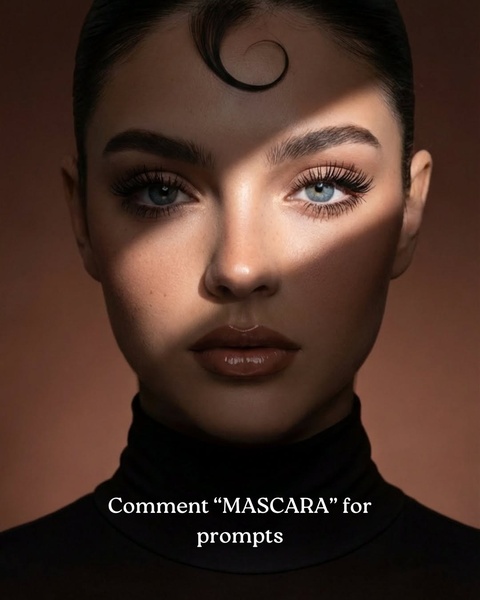
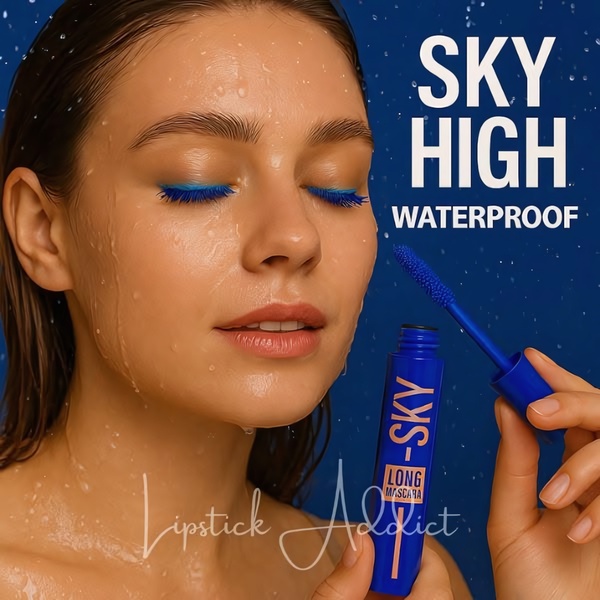
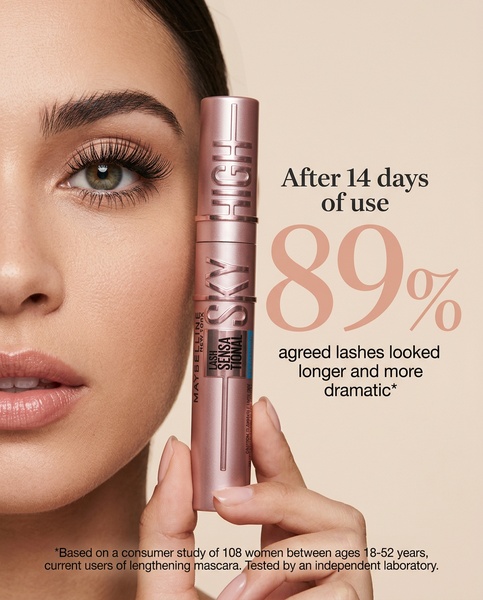
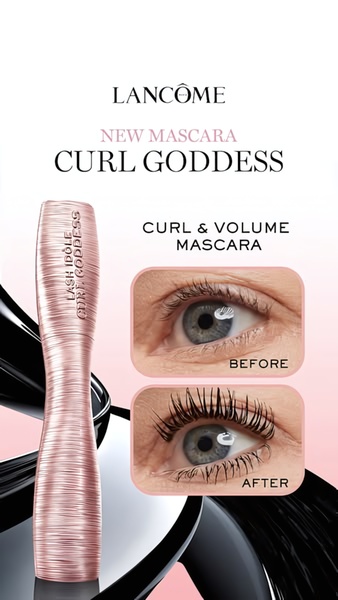
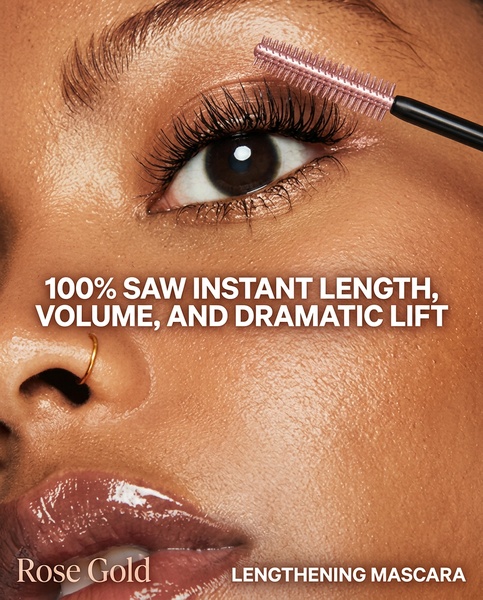
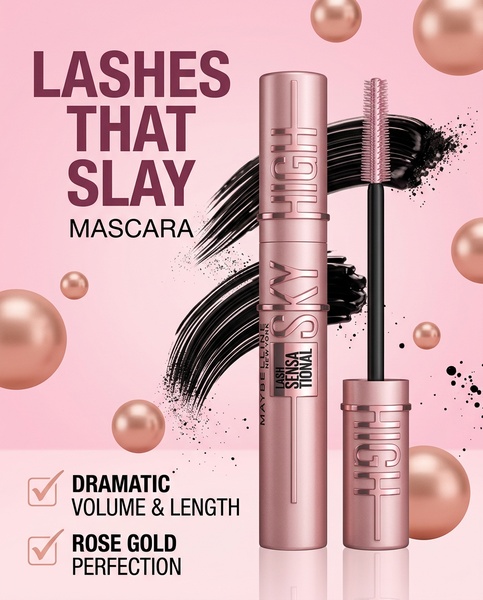
Mascara has an advantage almost no other beauty product has: the result is visible in seconds, on a part of the face the camera shoots directly. A close-up of dramatically defined, lengthened, or curled lashes proves the product faster than any ingredient list or claim can. The eye is the frame; the lash is the proof; and the wand - its brush shape, its bristles, its formula-loaded tip - is the mechanism the ad uses to explain how the result happens.
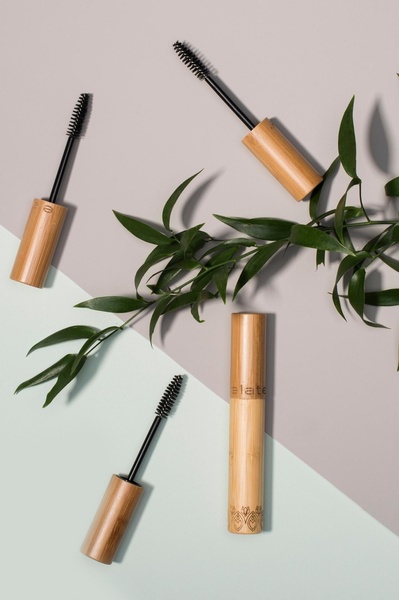
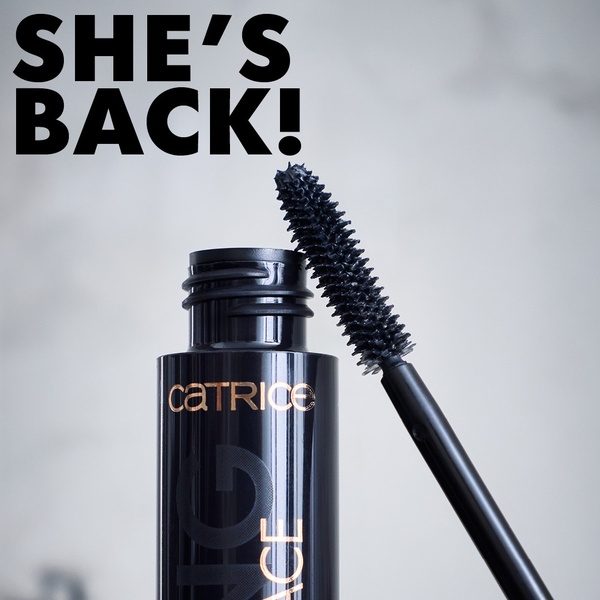
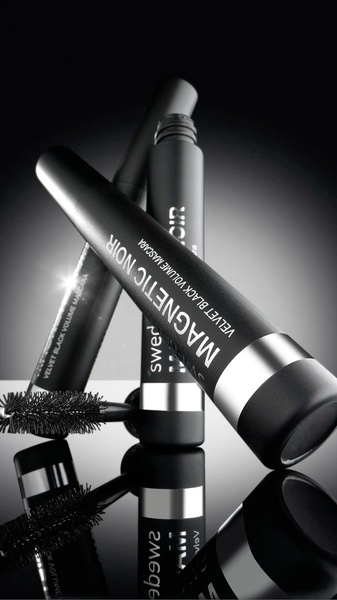
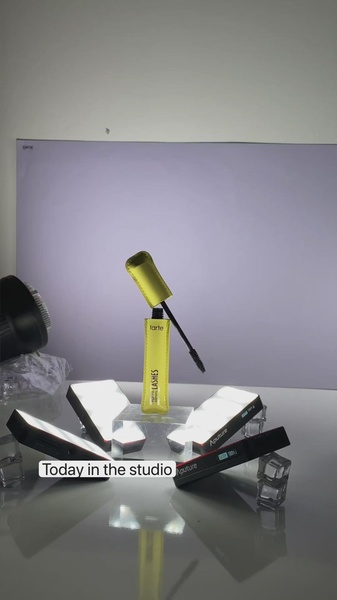
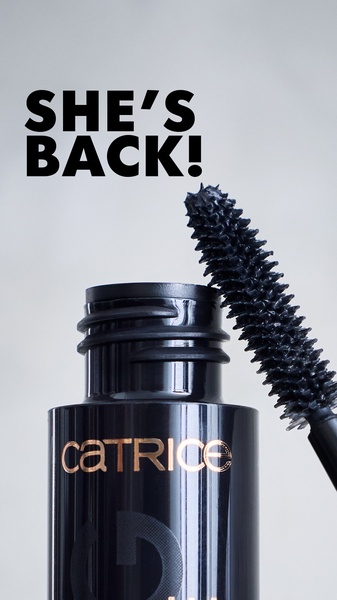
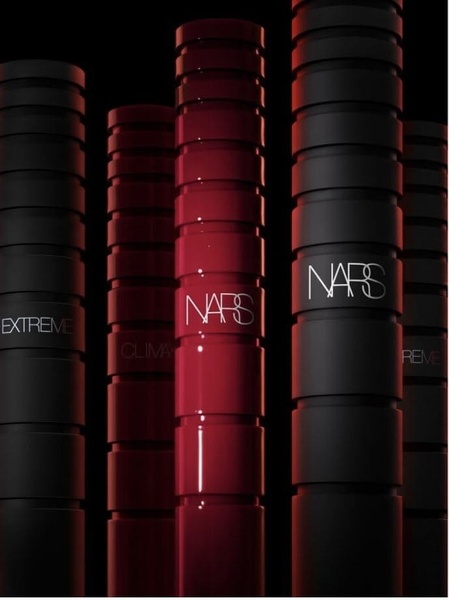
That's why the strongest mascara ad formats lead with the outcome (the lash close-up or the dramatized eye) and use the product name or a bold claim to anchor it. Product names in this category often carry the entire creative strategy - a name that promises the result can function as both the headline and the claim without any additional copy doing work. The wand itself is also a proof element: a brush shape designed for volume reads differently than one designed for length or curl, and showing it close up lets the buyer understand the difference before they've applied a stroke.
What Promer AI builds from your mascara product page?
Knowing the right proof angle - lash result, wand detail, launch moment, or bold claim name - still leaves the headline, the framing, and the CTA unwritten. That's the part Promer AI handles from your actual product page rather than a blank brief.
Paste your product page and the AI reads it, pulling out the lash benefit, the brush design, the formula detail, and the launch context - along with your ideal customer and what she's looking for in a mascara. It then writes the headline, body, and CTA on top of the winning structure you picked. Review everything before it runs - generated creatives can have mistakes - and make sure every lash claim matches your product's actual performance before publishing.