Why makeup ads live on color proof and the promise of a finish?
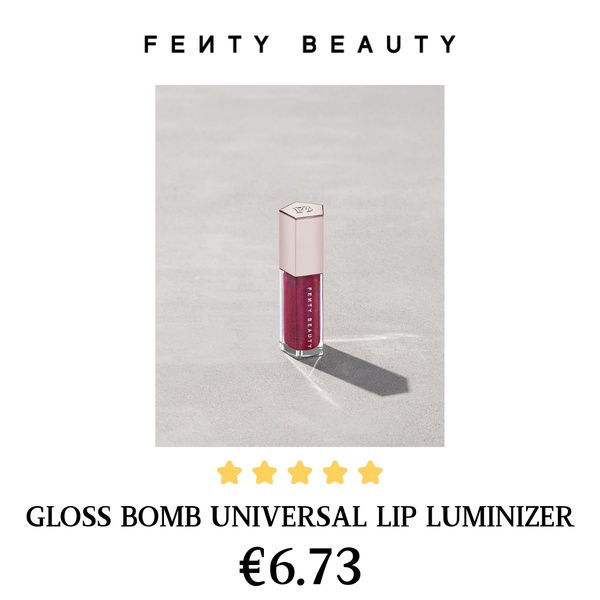
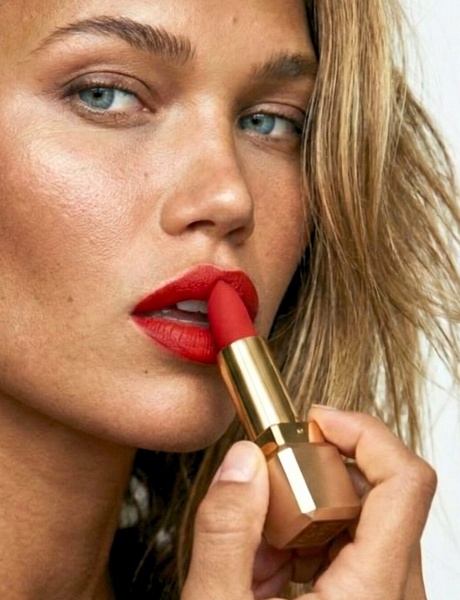
A makeup ad has one job the packaging shot alone can't do: show what the color actually looks like on.
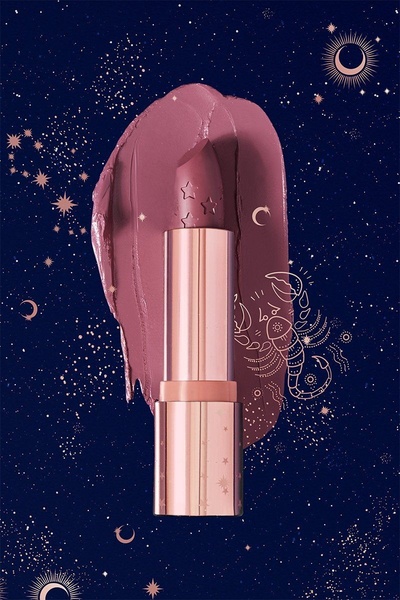
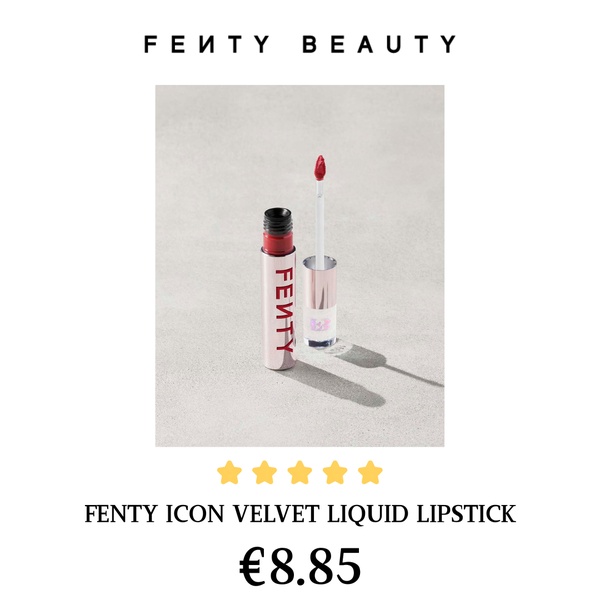
The buyer's core question before clicking isn't "what is this product?" - they can read the description for that. It's "will this shade look the way I imagine it on me?" A product hero shot that shows the texture, the pigment payoff, or a real color swatch resolves that question before a single word of copy does. A flat image of a closed tube leaves it completely open.
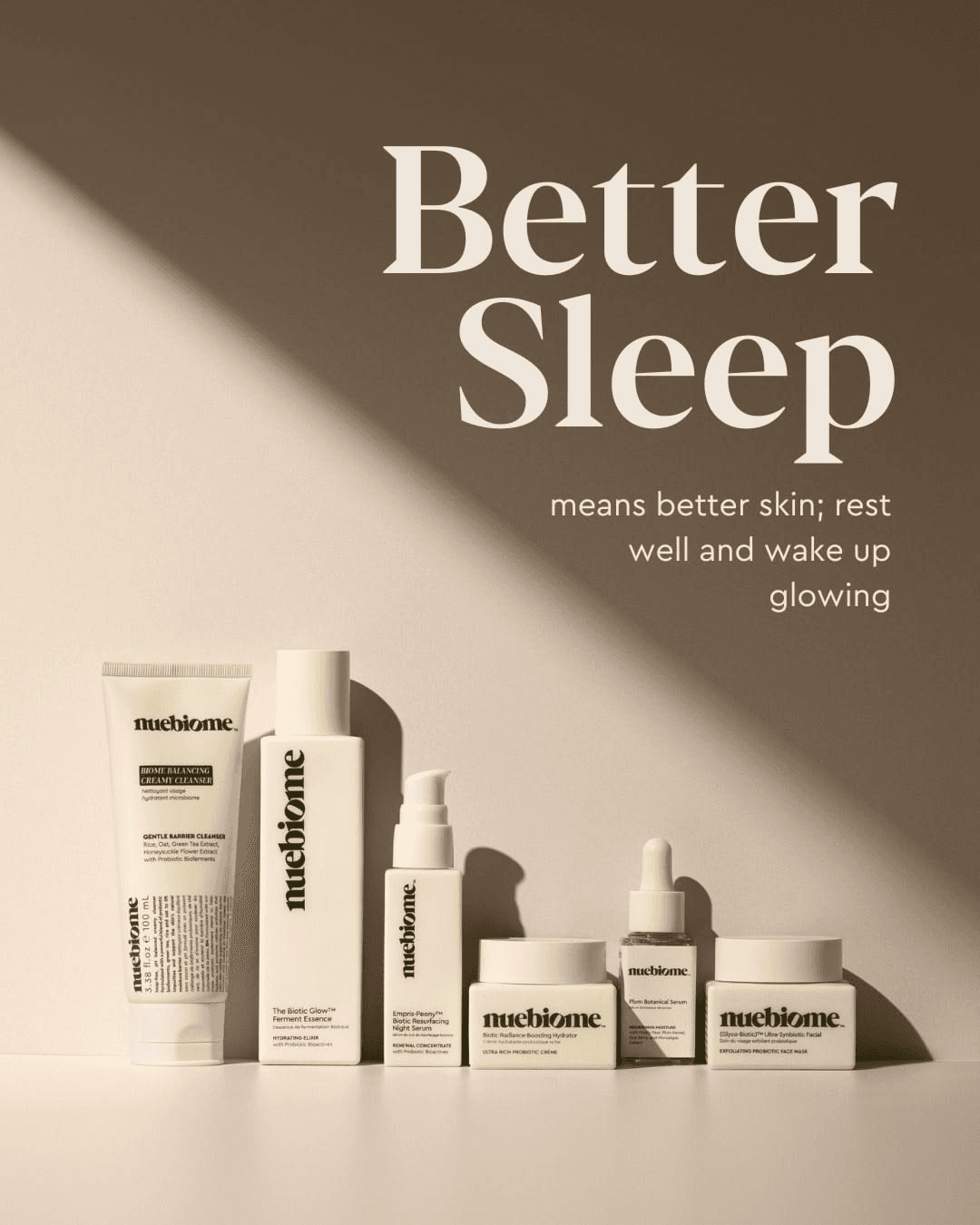
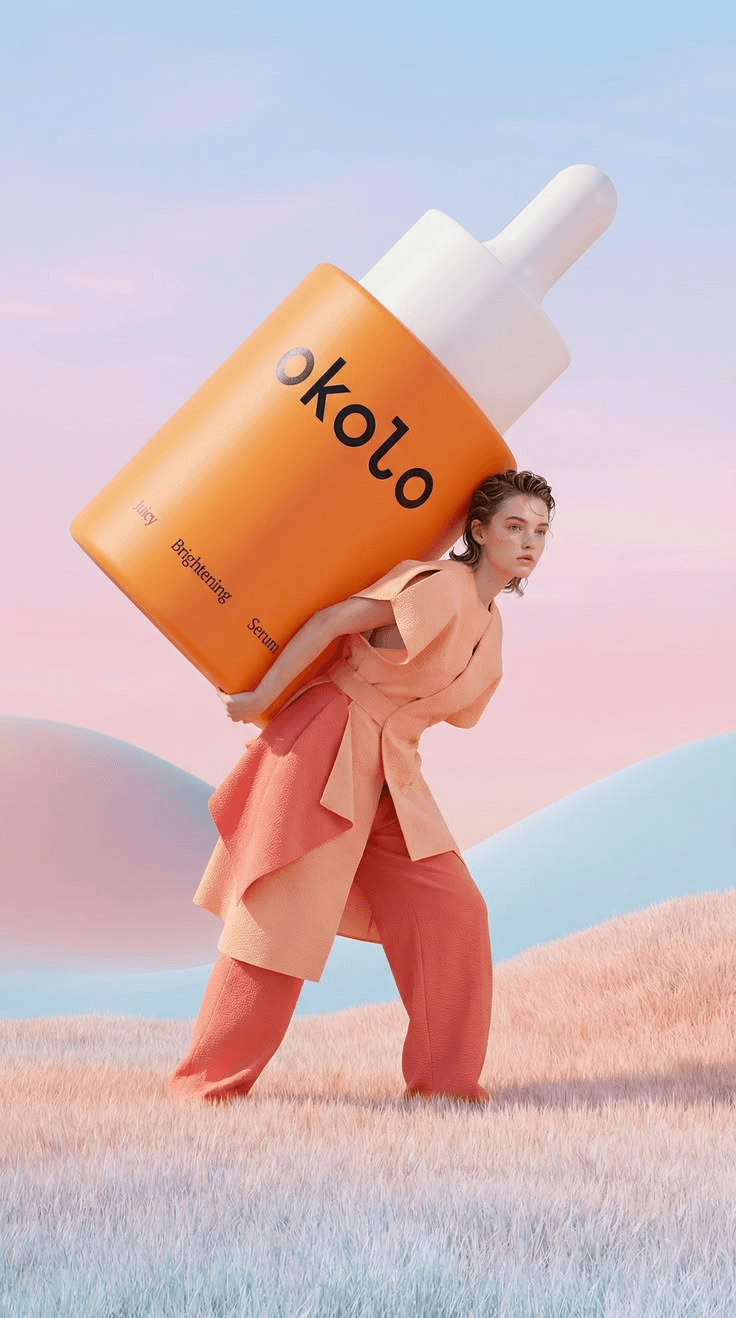
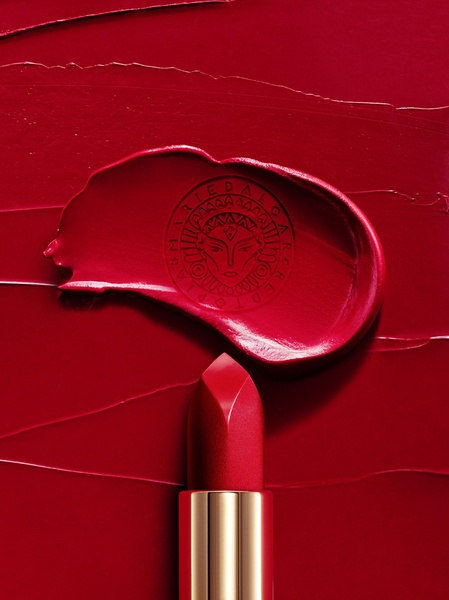
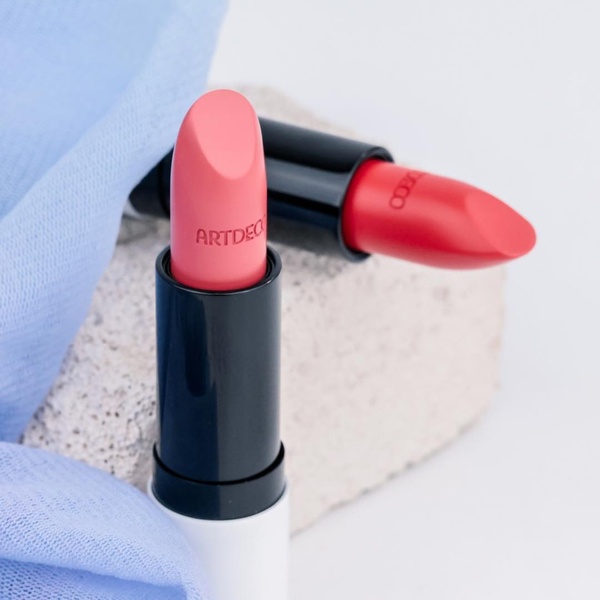
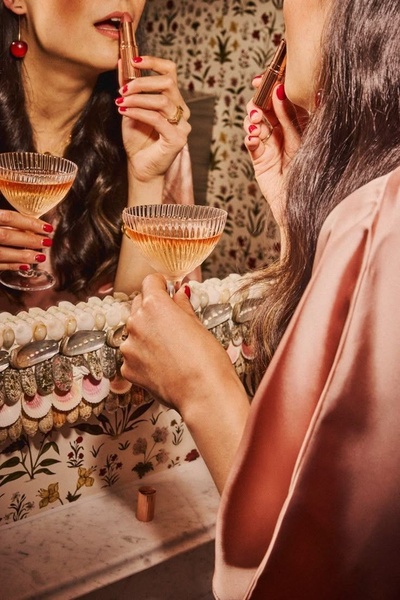
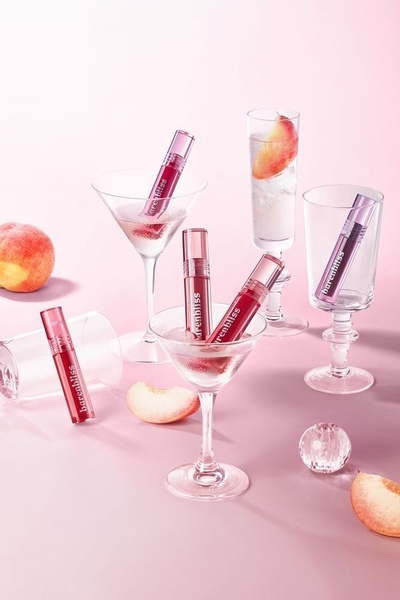
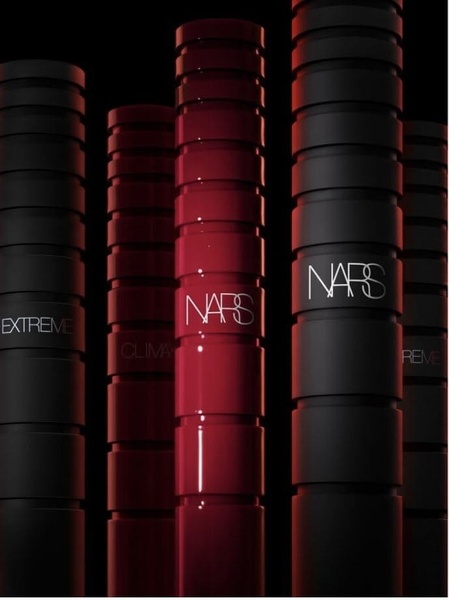
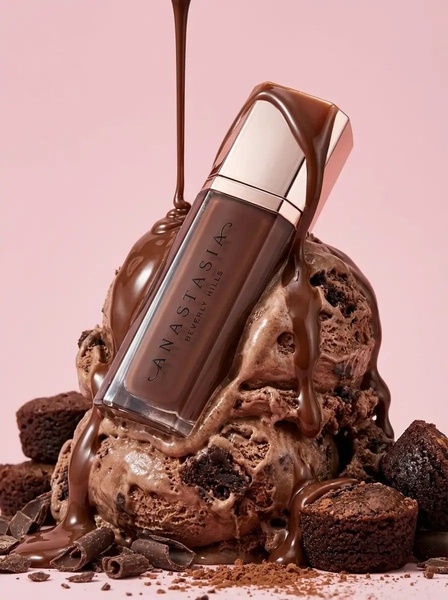
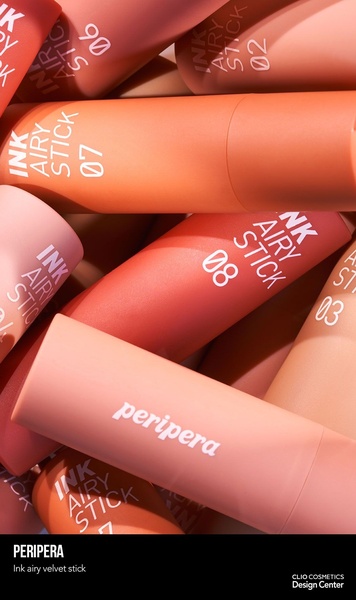
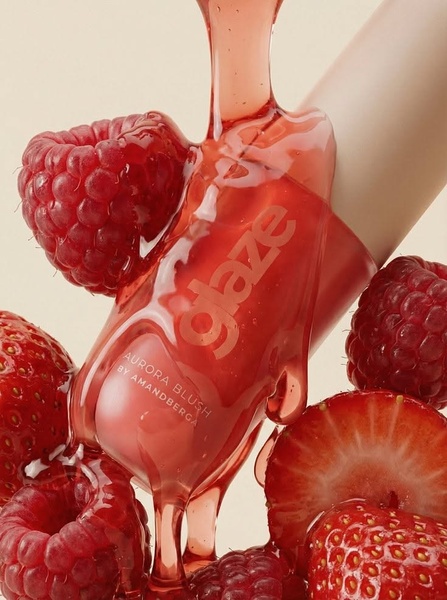
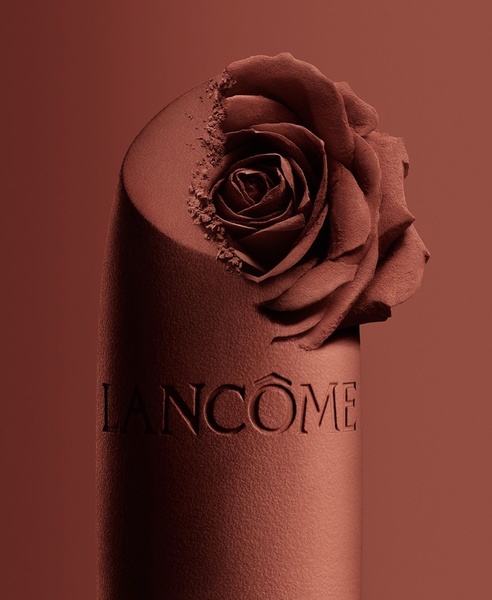
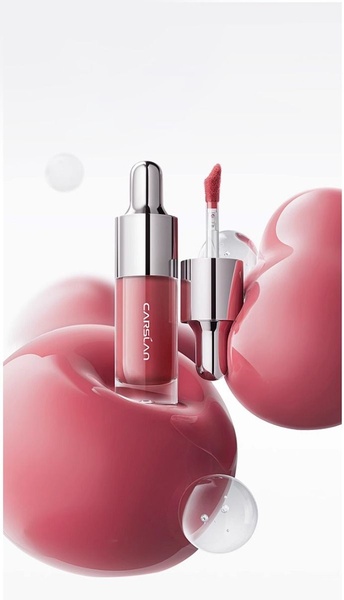
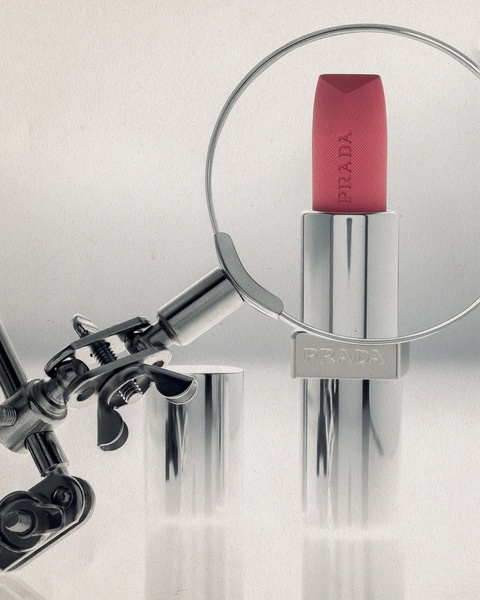
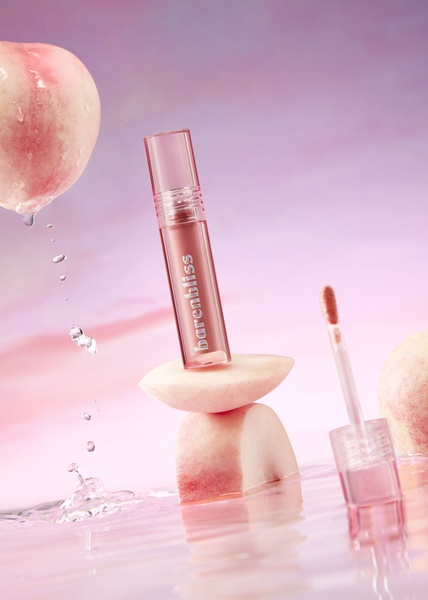
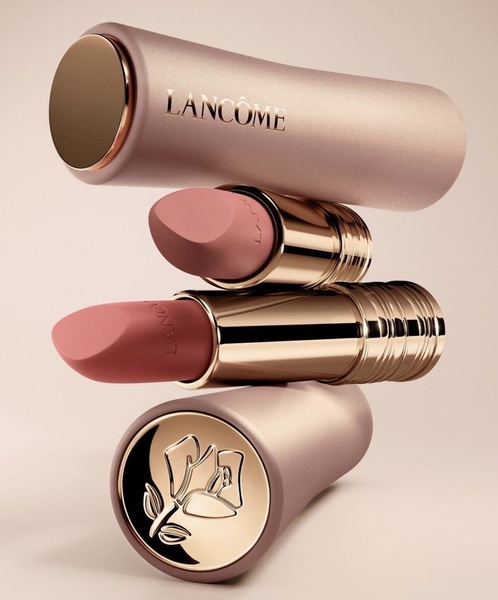
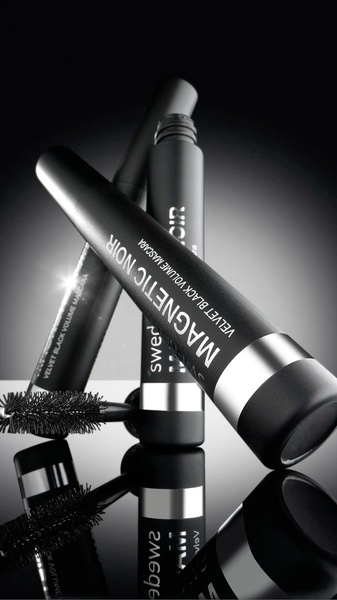
The proof format also splits hard by product type and brand world. A luxury or editorial brand earns its close-up with dramatic lighting, deep shadows, and a single product that looks like an object worth owning. A Gen Z or playful brand earns attention with high-color, high-energy arrangements - bright backgrounds, candy-colored props, stacked products in motion - that signal the brand's personality before the buyer reads the product name. Both are makeup; both work; they're selling to different buyers, and the same ad format that converts for one reads as wrong-brand for the other.
What Promer AI builds from your makeup product page
Knowing the right proof format - luxury editorial, playful color, gifting occasion, or shade range - still leaves the headline, the product framing, and the CTA unwritten. That's the part Promer AI handles from your actual product page rather than a blank brief.
Paste your product page and the AI reads it, pulling out the shade, the finish, the color payoff, and the brand aesthetic your makeup belongs to - along with your ideal customer and what she's buying. It then writes the headline, body, and CTA on top of the winning structure you picked. Review everything before it runs - generated creatives can have mistakes - and make sure every shade name, price, and product detail is accurate before publishing.