
Why cosmetic ads sell desire before they sell a product?
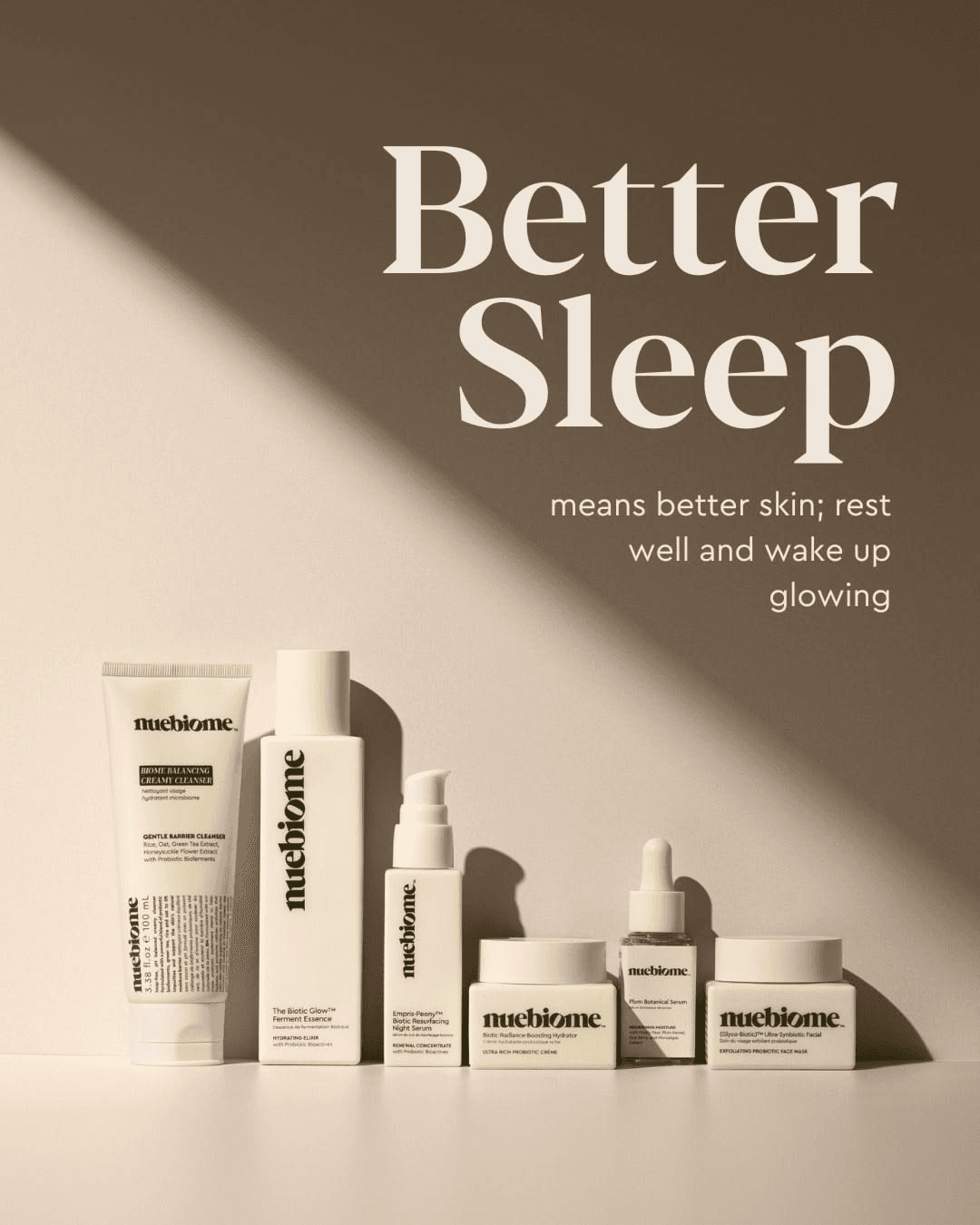
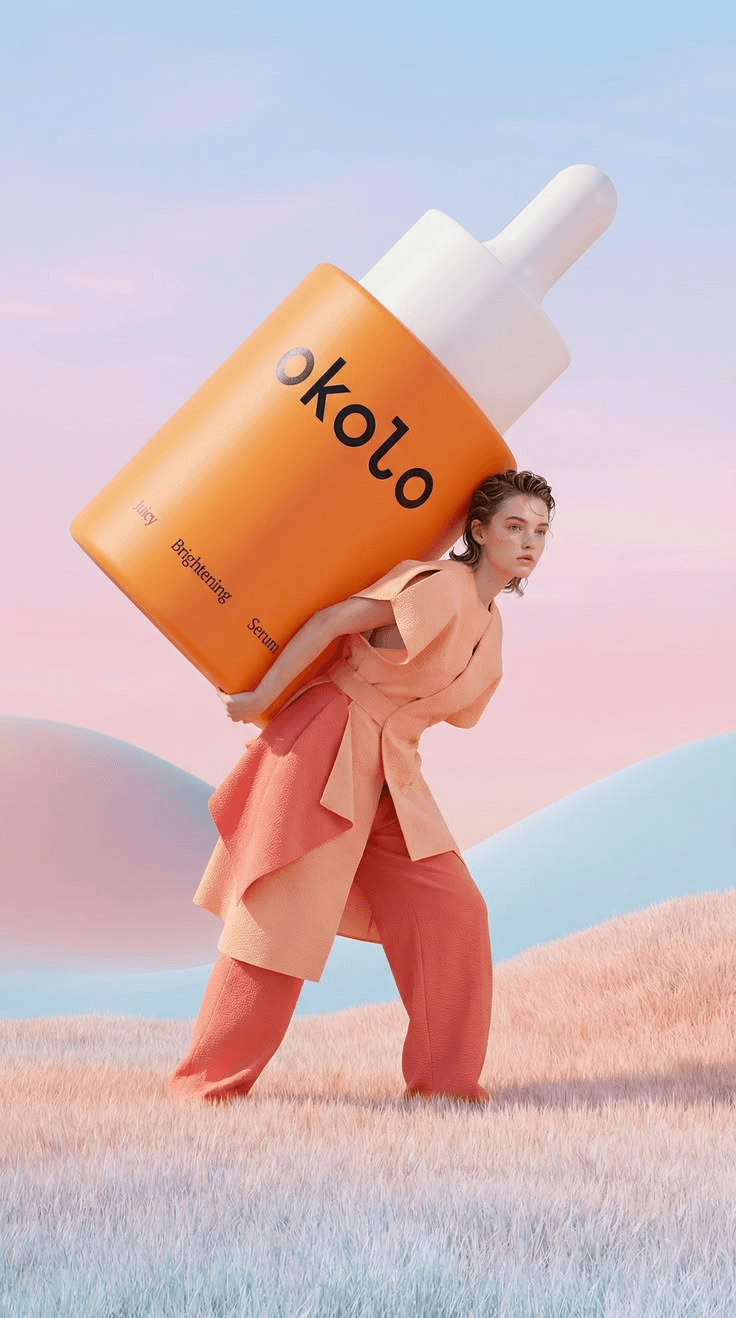
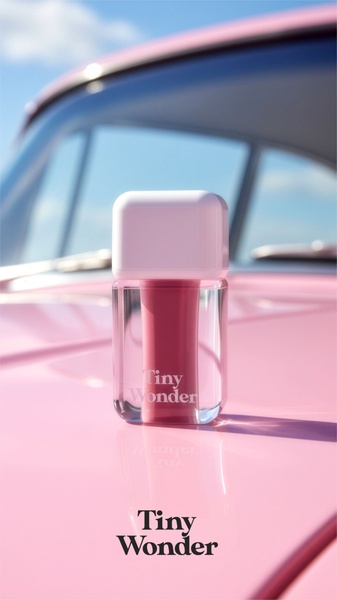
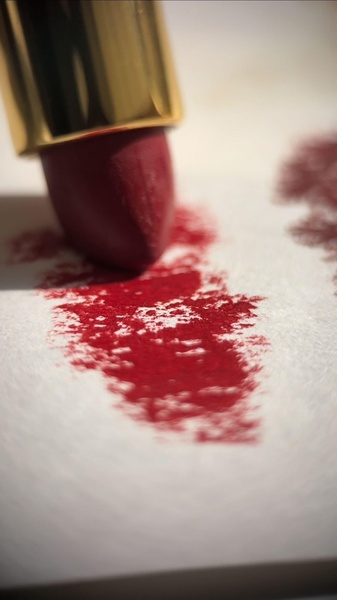
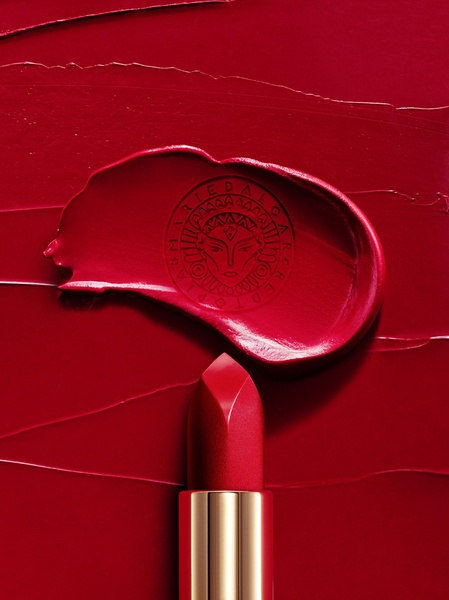
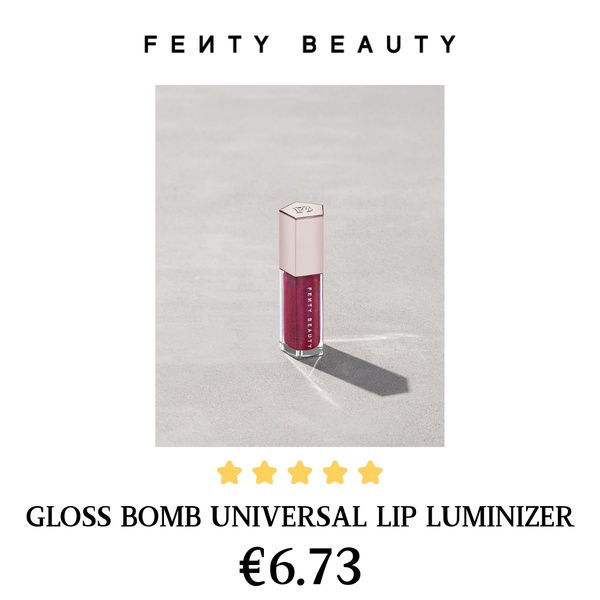
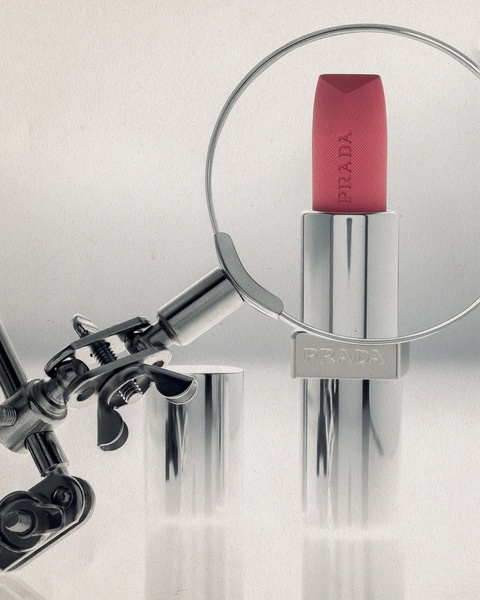
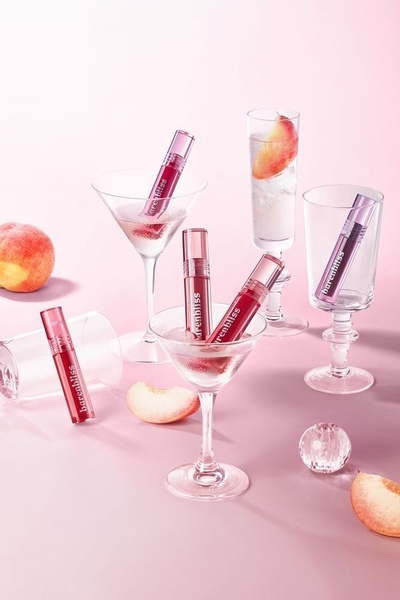
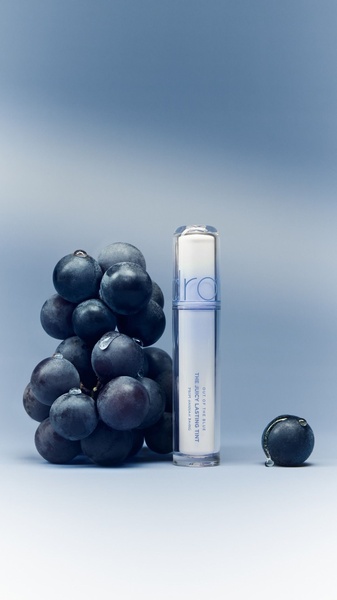
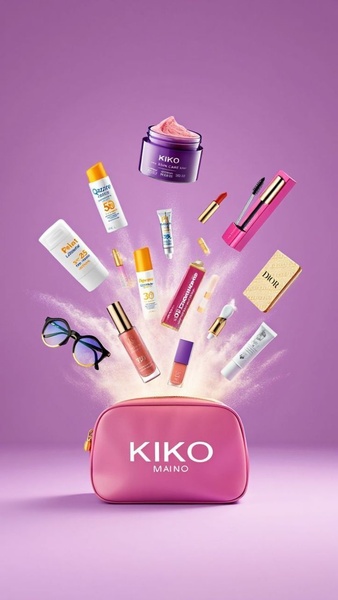
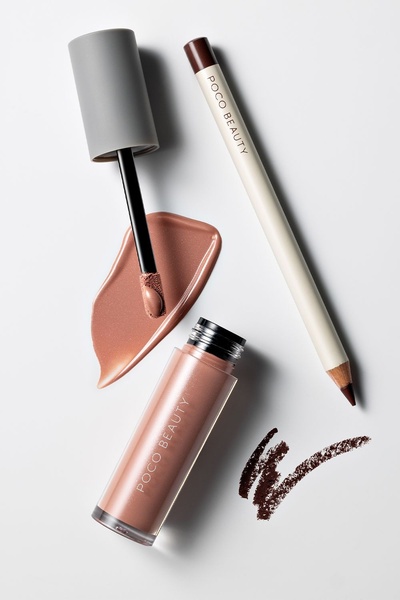
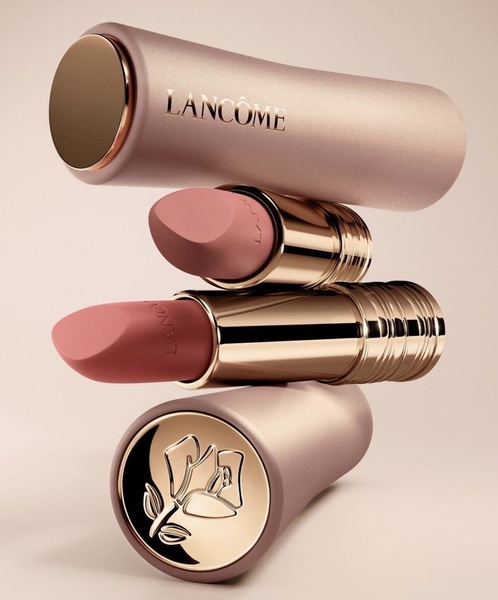
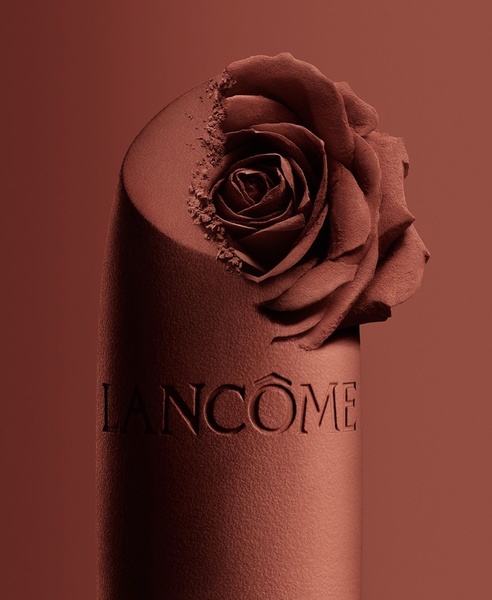
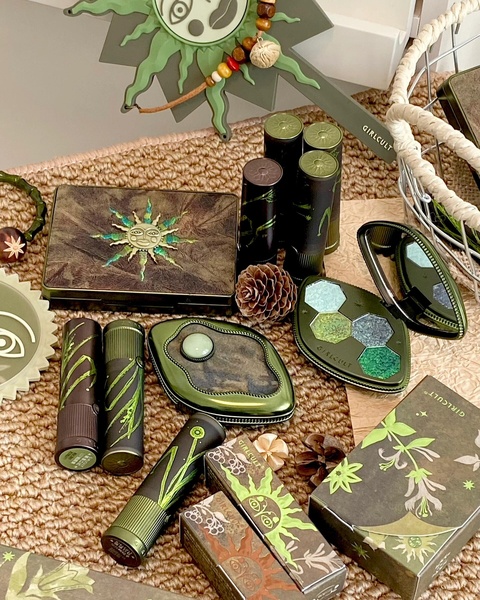
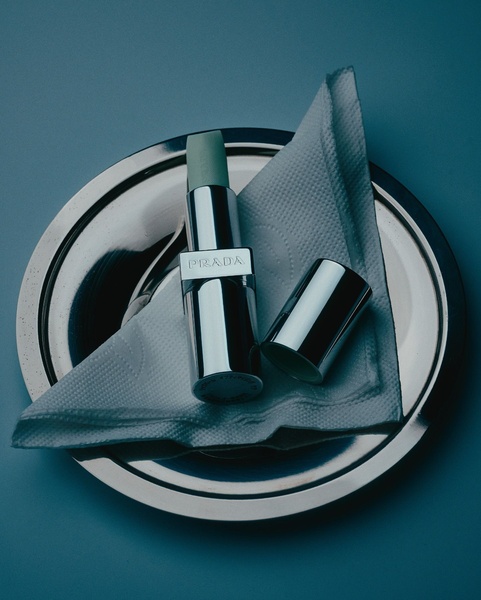
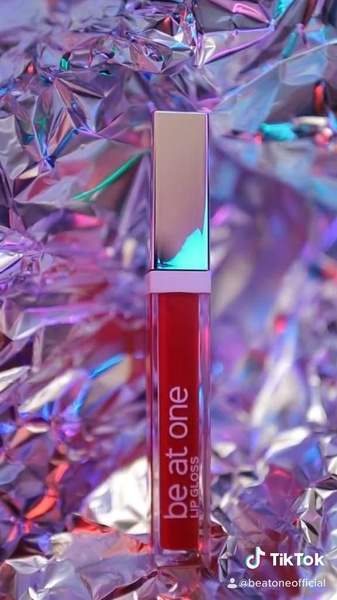
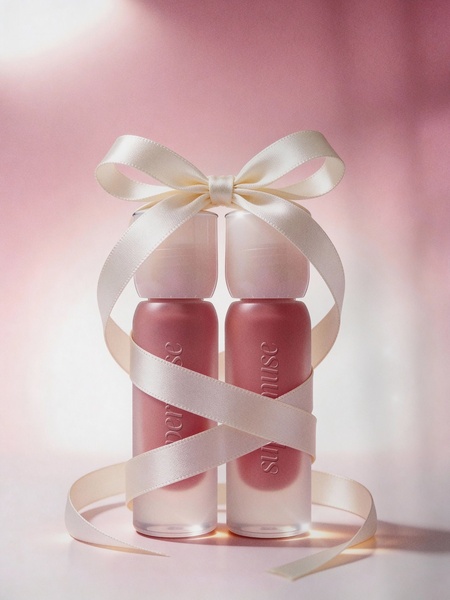
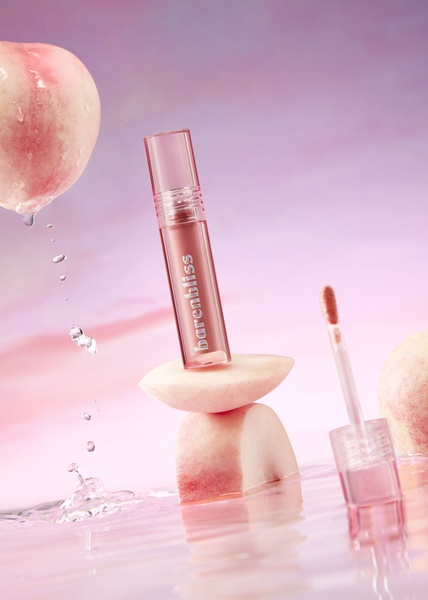
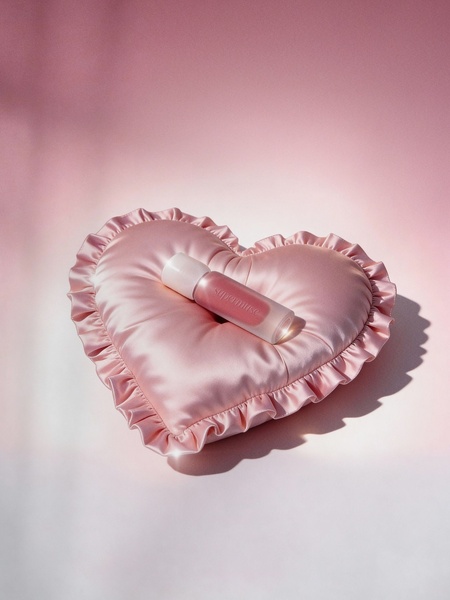
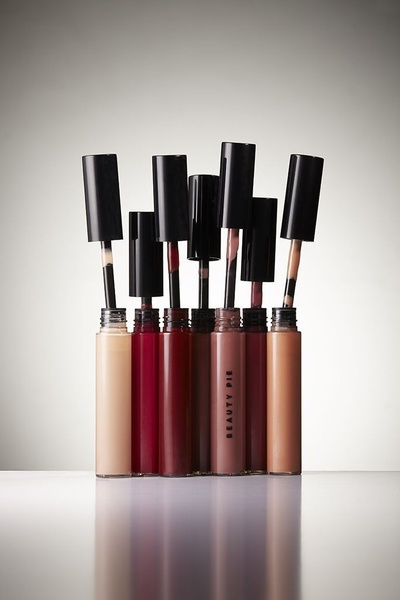
A cosmetic ad doesn't have to prove a result the way a skincare ad does. It has to make the product feel like something the buyer wants to own and be seen with - before they've read a single claim. The product shot is the proof: a lipstick bullet on a gold surface, a gloss catching light, a palette opened to show the full range of colors. The visual isn't supporting the ad - it is the ad.
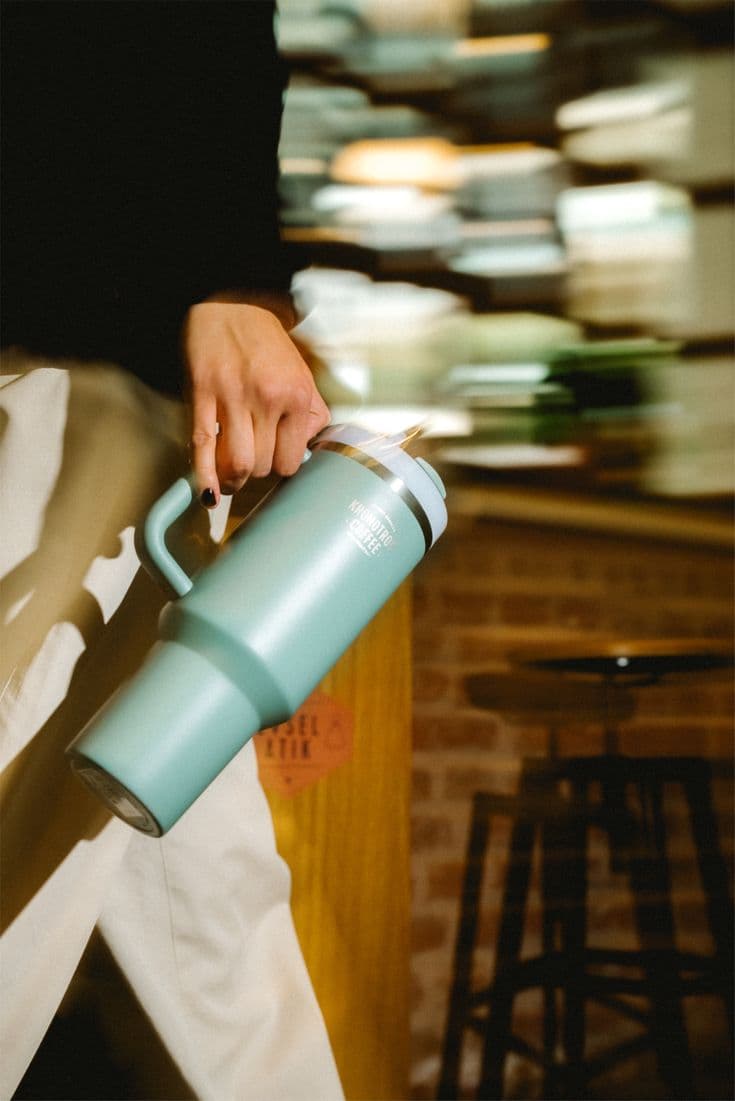
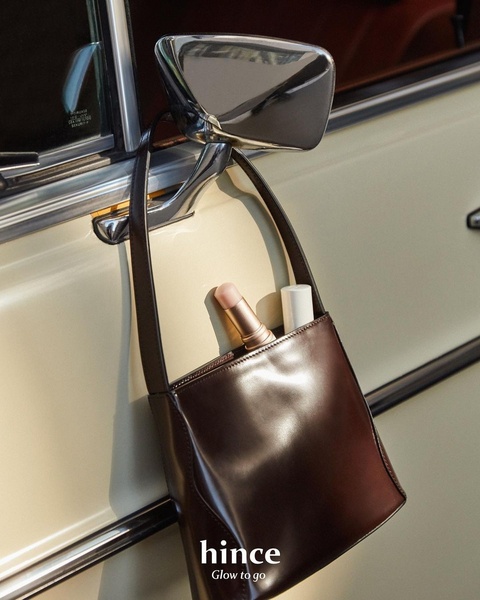
That makes the creative decision in cosmetics almost the reverse of most categories. Where a supplement or a fitness product builds up to a claim with evidence, a cosmetic ad leads with the object, the finish, the color - and the copy just names what the eye has already decided. The structures that dominate here are Brand Aesthetic (the product as a luxury object in a composed setting), Product Hero (a single piece with dramatic close-up lighting), and gifting-led formats that wrap the product in an occasion - Mother's Day, a birthday, a seasonal collection drop. Offer & Sale exists too, but it tends to work best as exclusive early access or a gift-set bundle rather than a hard percentage-off discount, since aggressive pricing undercuts the luxury positioning most cosmetic brands are trying to hold.
What Promer AI builds from your cosmetic product page?
Knowing which angle leads - desire object, gift occasion, or brand collection - still leaves the headline, the framing, and the CTA unwritten. That's the part Promer AI handles from your actual product page rather than a blank brief.
Paste your product page and the AI reads it, pulling out the shade, the finish, the occasion it fits, and the brand aesthetic it belongs to - along with your ideal customer and what they're buying into. It then writes the headline, body, and CTA on top of the winning structure you picked. Review everything before it runs - generated creatives can have mistakes - and make sure every shade name, price, and product detail is accurate before publishing.