Why skincare ads have to sell a result that isn't visible yet?
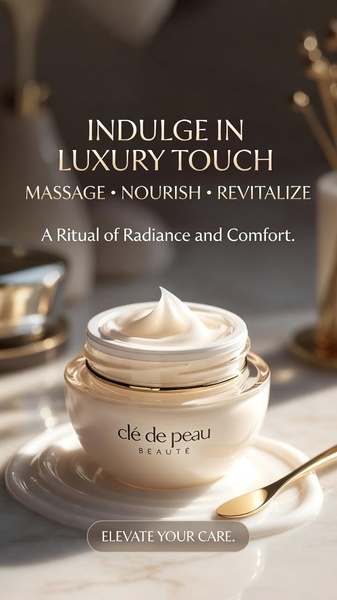
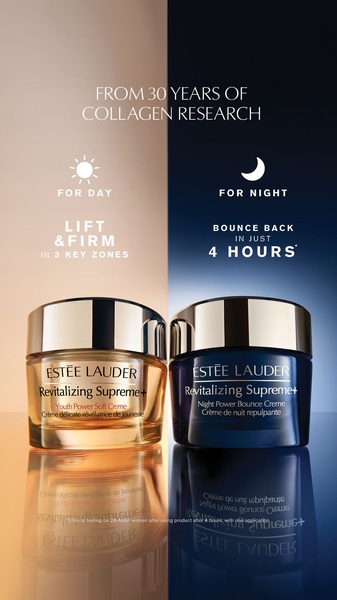
Skincare is the only beauty category where the product hasn't done its job at the moment of purchase. A makeup buyer sees the color immediately. A perfume buyer can smell it in the store. A skincare buyer clicks, pays, waits weeks, and then - maybe - sees the result they were promised. That time gap changes everything about how the ad has to work. You're not proving what the product looks like; you're proving why the buyer should trust it will work.
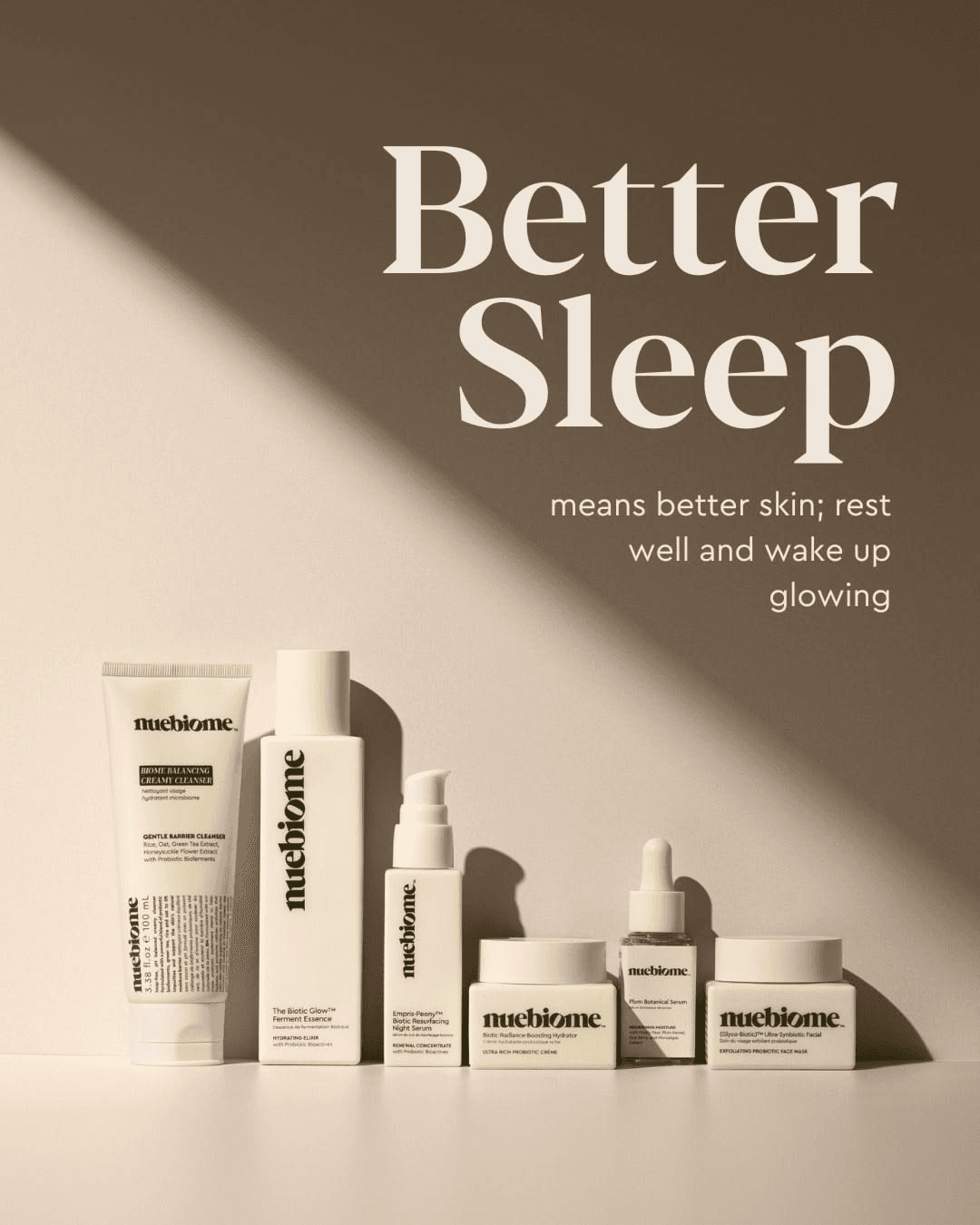
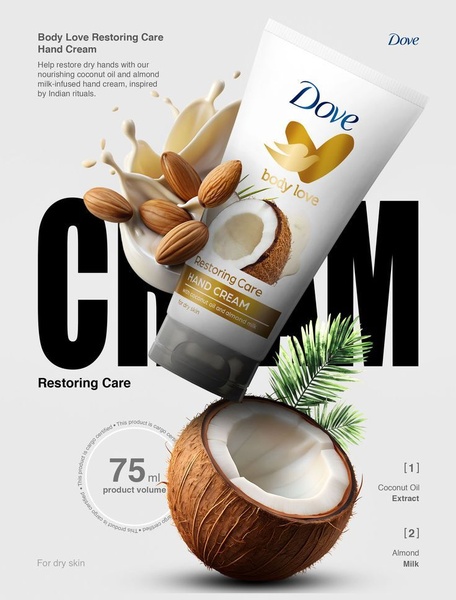
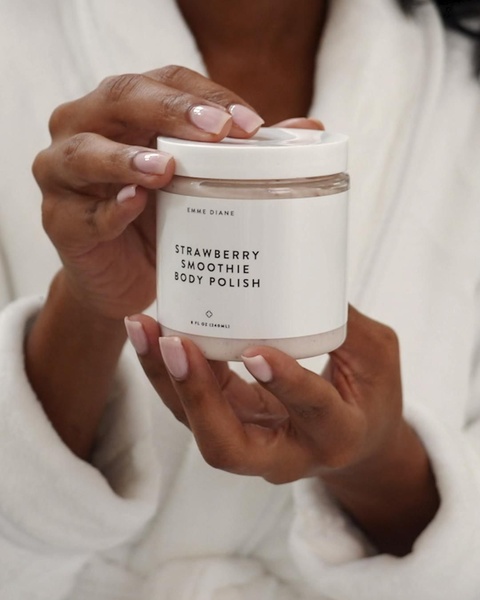
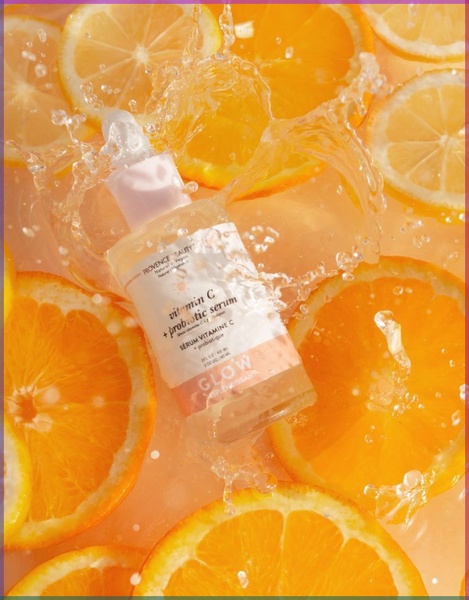
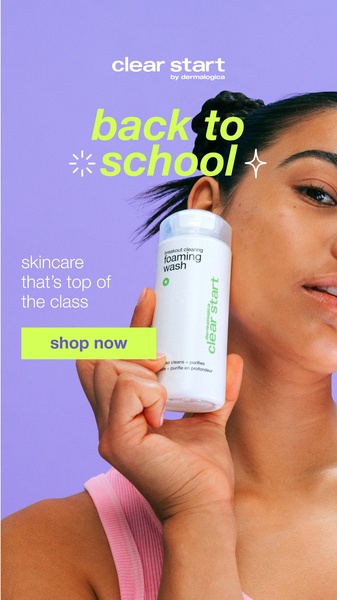
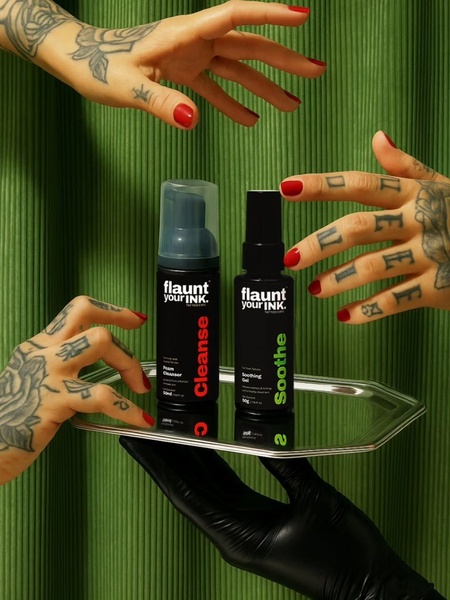
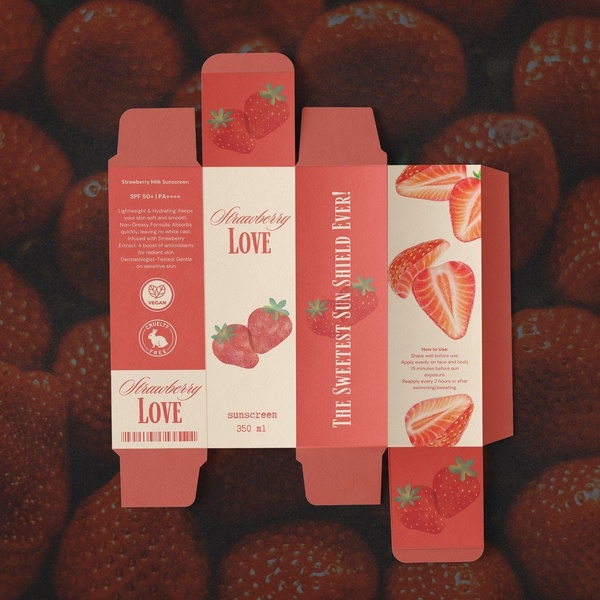
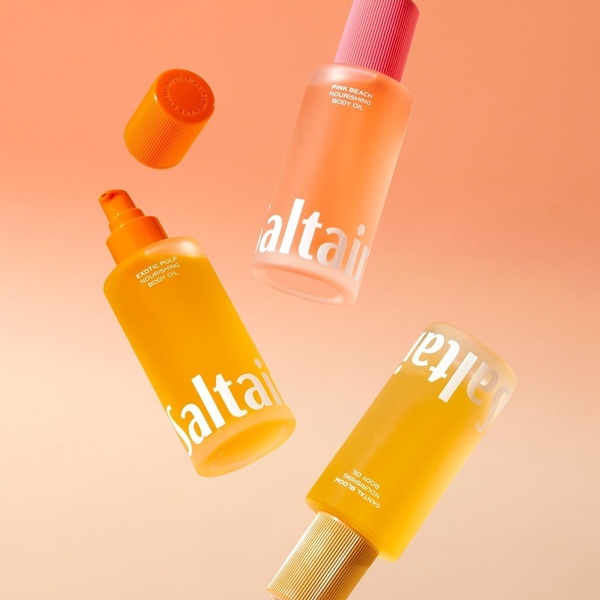
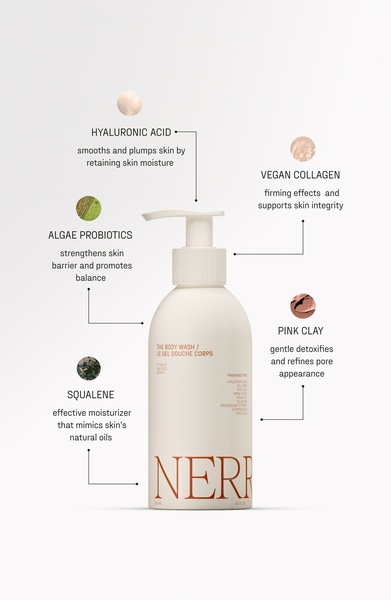
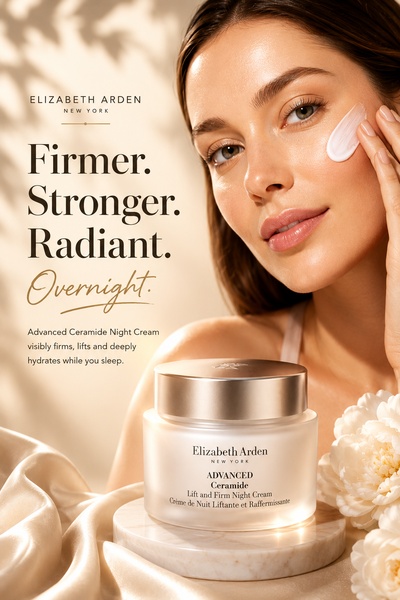
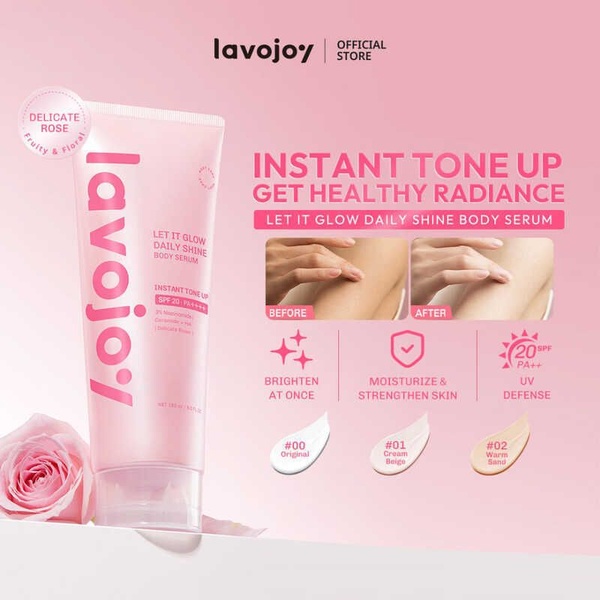
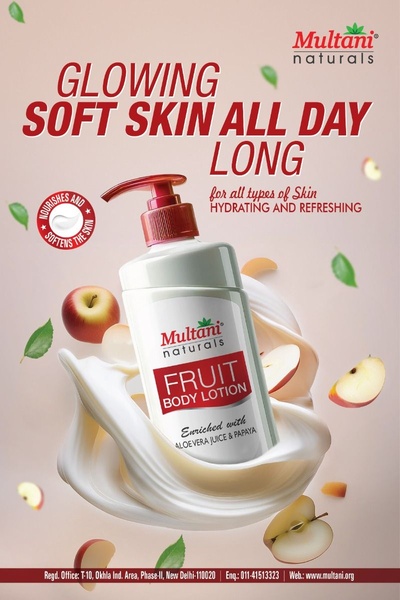
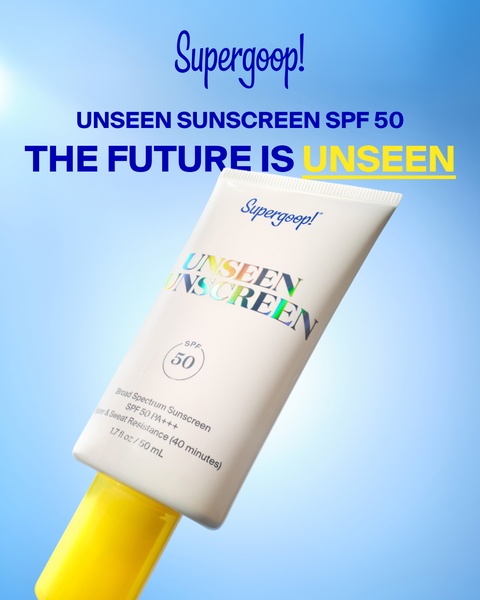
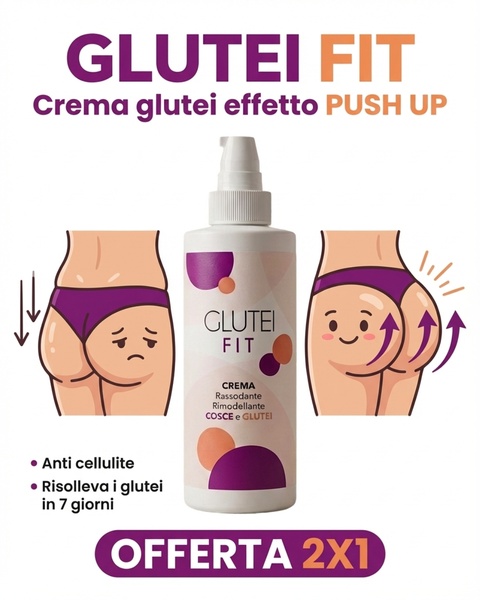
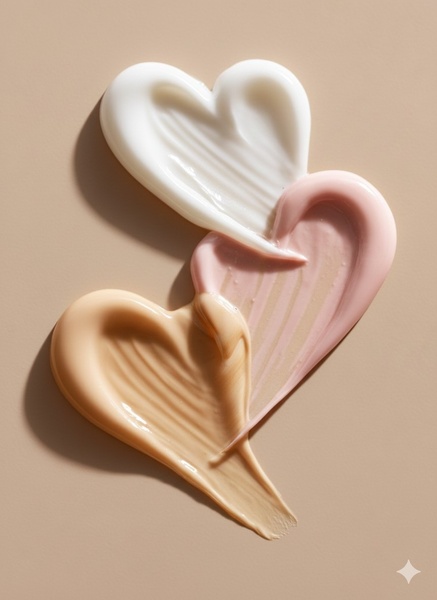
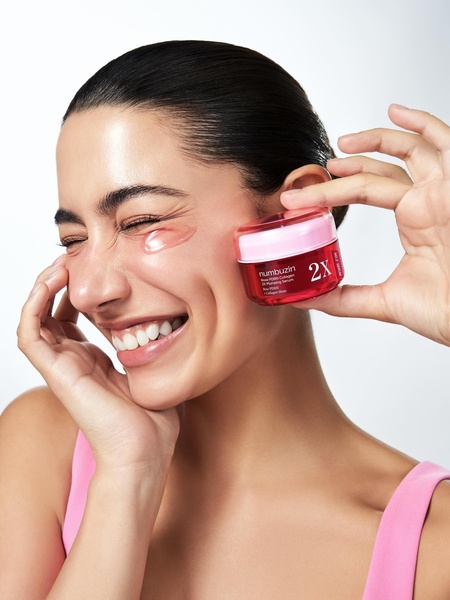
That proof comes from two directions that the strongest skincare ads often combine. The science direction proves the formula: the ingredient, the concentration, the mechanism - citrus vitamin C, retinol, hyaluronic acid photographed next to the product as visual evidence of what's inside. The result direction proves the outcome: a close-up of glowing, healthy skin in good light, a real person touching her face with visible satisfaction. Neither alone is as convincing as both together - the ingredient shows why it should work, and the skin result shows that it does.
What Promer AI builds from your skincare product page?
Getting the science-result combination right still leaves the headline, the claim, and the CTA unwritten. That's the part Promer AI handles from your actual product page rather than a blank brief.
Paste your product page and the AI reads it, pulling out the key ingredient, the skin benefit, the target concern, and the routine it fits into - along with your ideal customer and what result they're looking for. It then writes the headline, body, and CTA on top of the winning structure you picked. Review every claim before it runs - generated creatives can have mistakes - and make sure any ingredient or efficacy claim is substantiated for your product before publishing.