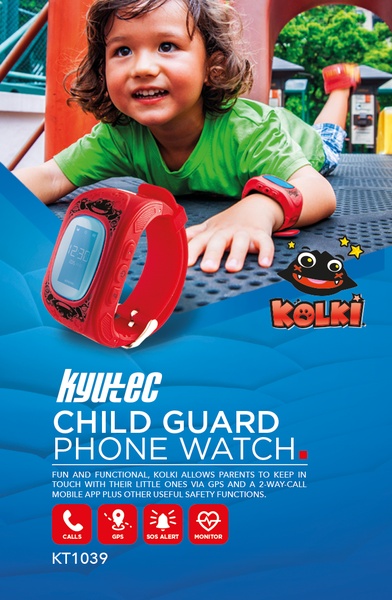
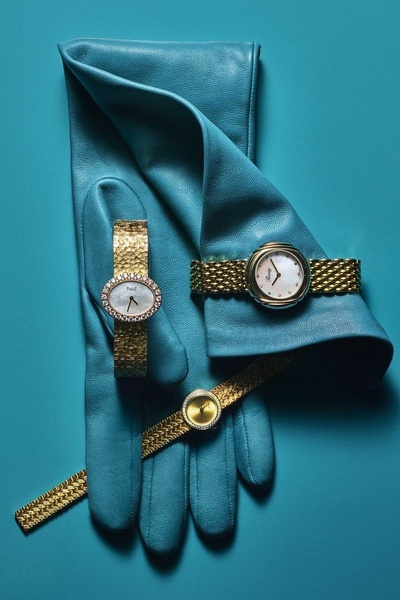
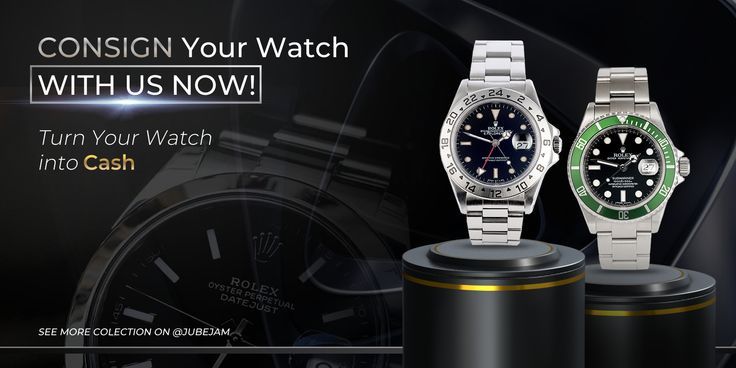
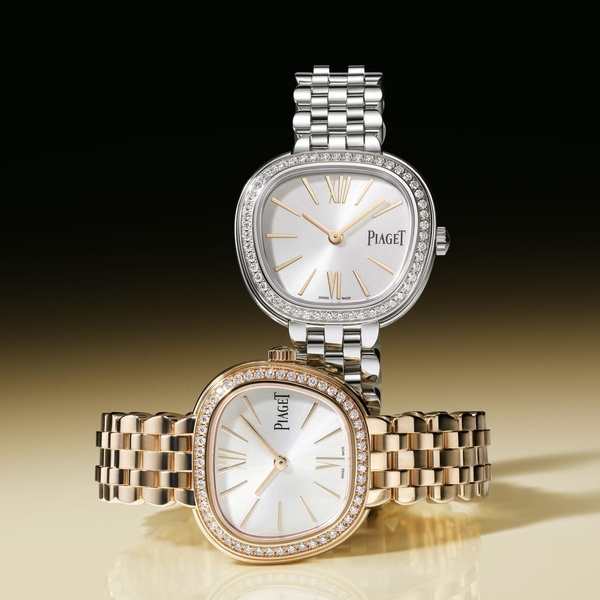
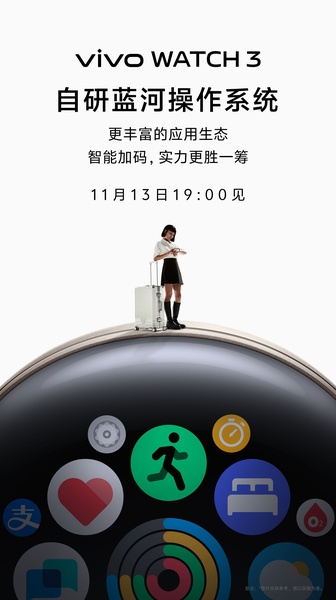
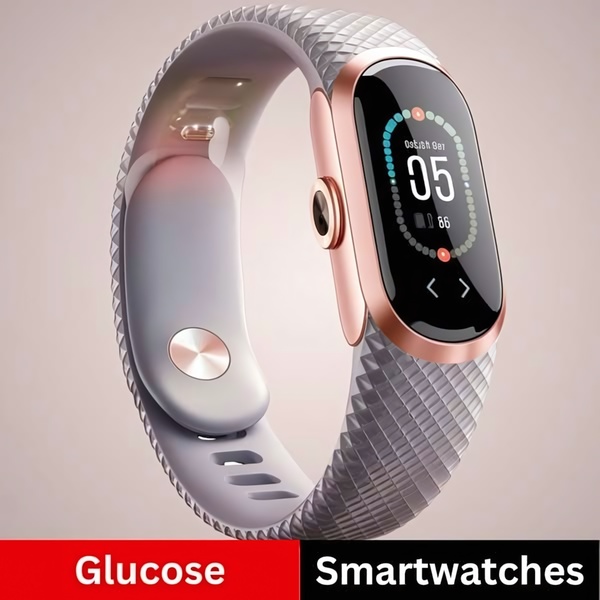
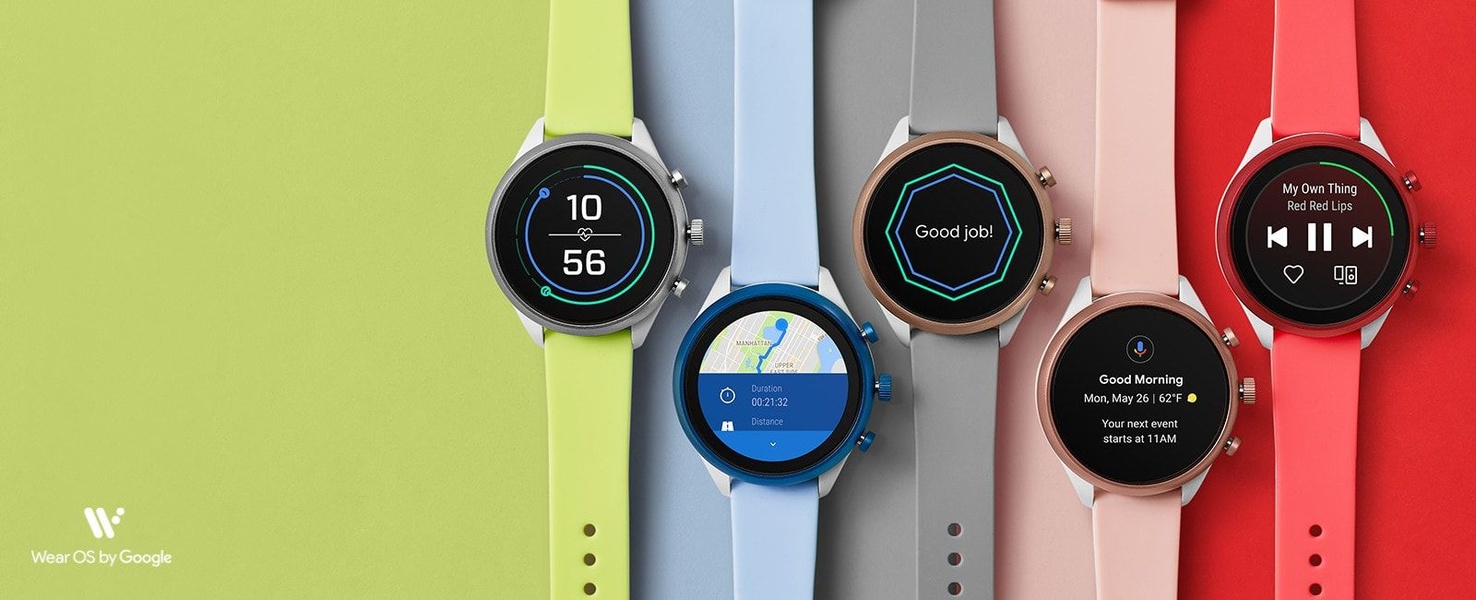
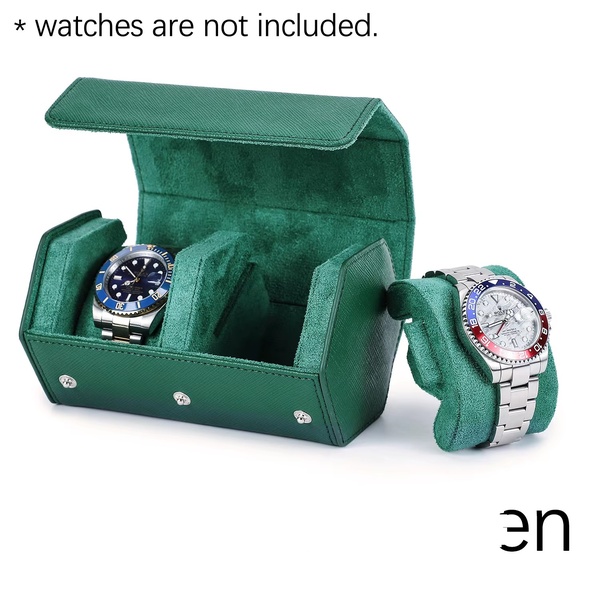
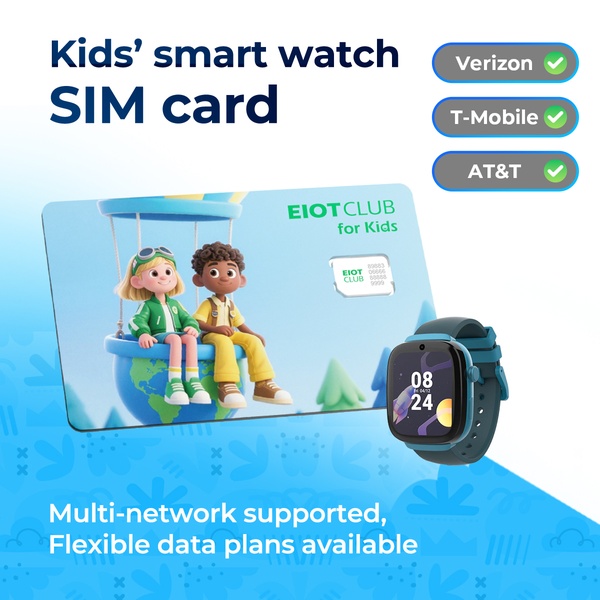
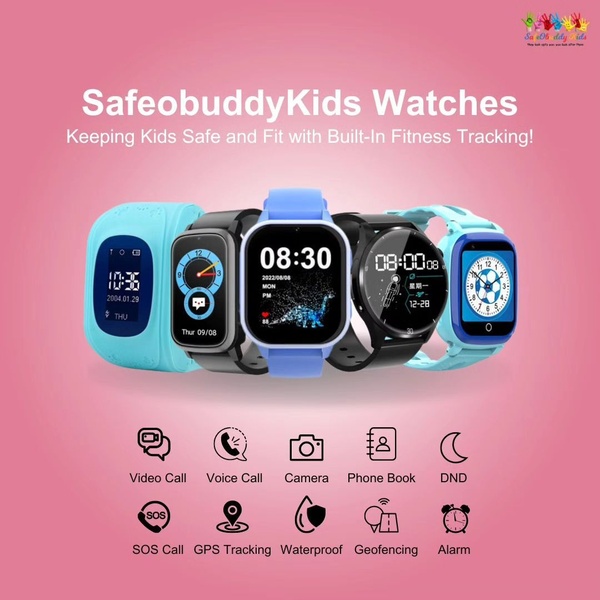
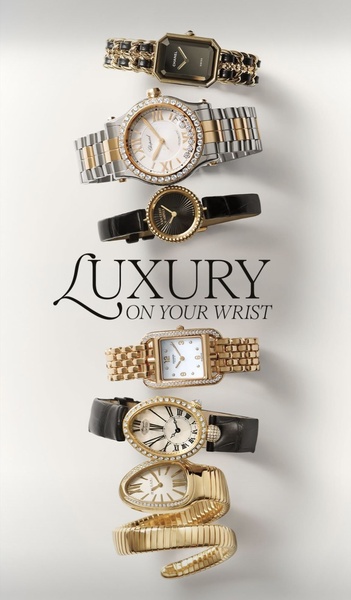
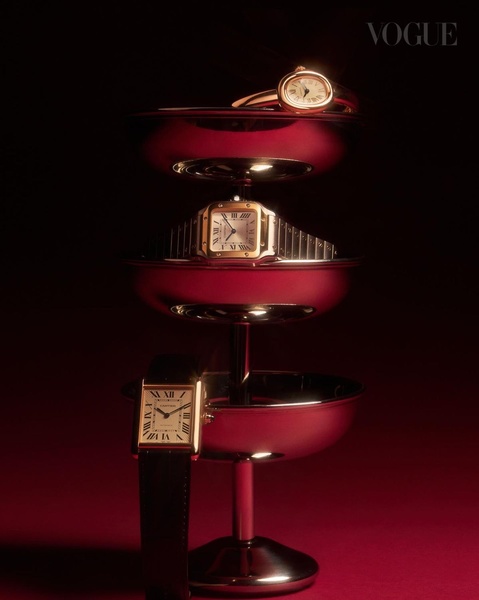
Real watch ads - dial close-ups, wrist shots, gifting occasions, luxury brand aesthetic - tagged by the format doing the work, so you brief your next campaign from what's already converting. Promer AI reads your product and builds the ad for you.
It's a proven ad structure - the format, layout, and messaging behind a watch ad that already converted - applied to your own product. In Promer AI, each template is tied to a real top-performing ad and a creative theme, and the AI generates the actual ad from your product context, so you start from a structure that worked, not a blank layout.
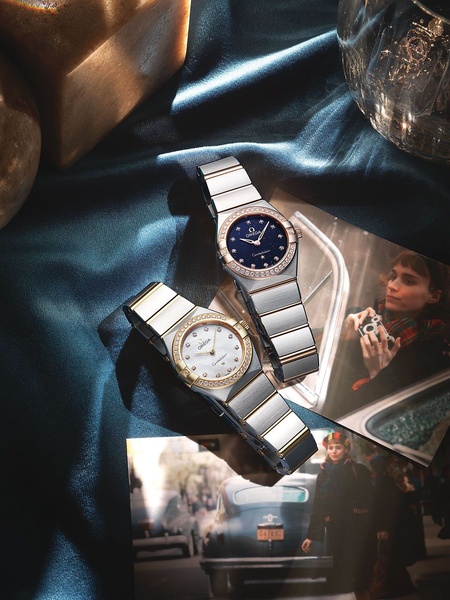
Offer & Sale (Black Friday, Father's Day, holiday gifting with tiered discounts), Brand Aesthetic (the watch as a composed luxury object in a dark or fabric setting), Product Hero (a dial close-up with dramatic lighting), and Headline ("Luxury on your wrist," a gifting statement) are the dominant structures in top-performing watch ads. Bold Claim works well for premium and heritage positioning. Statistics can carry a strong trust signal for an established brand.
Watches are one of the most frequently gifted items in the premium and mid-range accessories market - Father's Day, Christmas, Valentine's Day, and birthdays are all peak windows. The buyer choosing a gift needs the ad to resolve two things: whether this watch looks like the right quality for the price, and whether the recipient will actually wear it. Gender targeting ("For Him, For Her") and gifting-tier offers (tiered discounts by spend level) address both directly.
Yes, significantly. A luxury or premium brand earns its sale through Brand Aesthetic and Bold Claim - the dial, the setting, the heritage narrative do the work, and a hard discount would undercut the positioning. A mass-market or everyday fashion brand earns it through Offer & Sale and Feature & Benefit - the price, the style range, and the occasion framing are what converts. Running a luxury aesthetic format for a discount-led brand, or running an aggressive sale format for a heritage brand, creates a credibility mismatch.
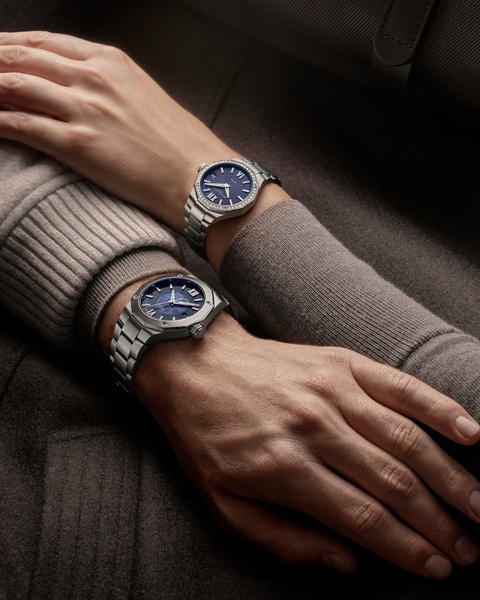
Scale and real-life fit. A flat product image can't tell the buyer whether the case diameter looks right on their wrist or whether the strap sits cleanly - the two things that most often determine whether a watch actually gets worn after purchase. A wrist shot on a real person closes that uncertainty faster than any copy or spec detail.
Lead with the discount and the deadline rather than the product detail - the sale is the reason to act now, and the watch is what they're getting. Tiered discount structures ("spend X, save Y") convert well for watches because they encourage higher-ticket purchases and give the buyer a clear decision to make. Keep the visual luxury-appropriate even if the discount is aggressive - a cheap-looking ad visual undercuts the perceived value of the watch being discounted.
Static is the natural format for luxury watch advertising - a composed dial shot with dramatic lighting is the visual language the category is built on. A short video can show the watch in motion on a wrist, the light catching a dial at different angles, or a quick collection reveal. Promer AI lets you start from a static winning template and use AI Ad Animation to turn it into an 8-second video, so you can test both.
For gifting ads, copy that names the recipient and the occasion - "the watch he'll wear every day" or "the gift she'll remember" - outperforms a product description. For sale events, a specific discount and deadline outperform a vague "shop now." For luxury or new arrival ads, a short brand or heritage statement paired with a "Discover" or "Explore the collection" CTA converts better than a hard push.
Not if the dial detail and the brand world are specific. A Brand Aesthetic template with a dark luxury setting and a generic product image is still generic. Apply a Brand Kit to push your logo, colors, and fonts automatically, and make the dial, the strap material, and the occasion specific in the copy - those details are what separate a watch ad that converts from one that looks like every other timepiece in the feed.
You can create your first ad free, with no credit card required. For current usage limits and what each tier covers, check the pricing inside the app.
Promer helps you find the pattern, adapt it to your product, and create your own version in minutes.