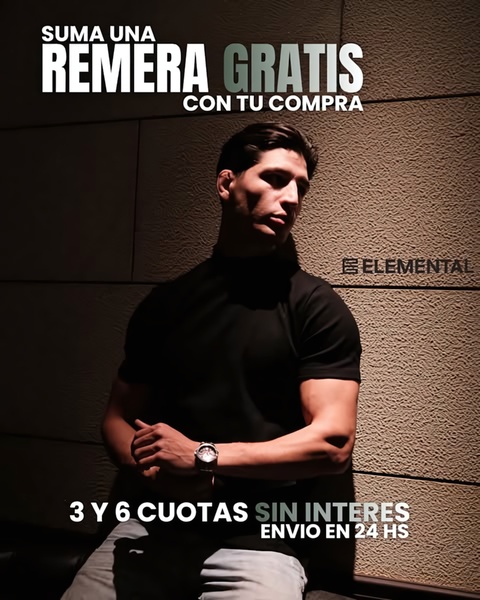

Why the dial is the proof - and the wrist shot is the close?
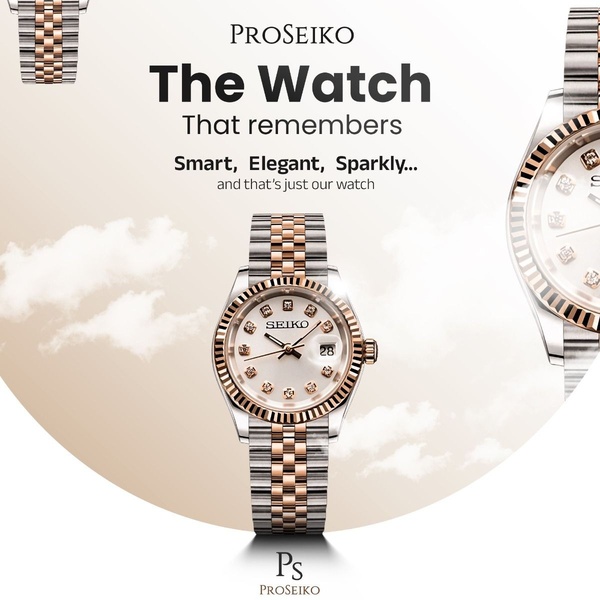
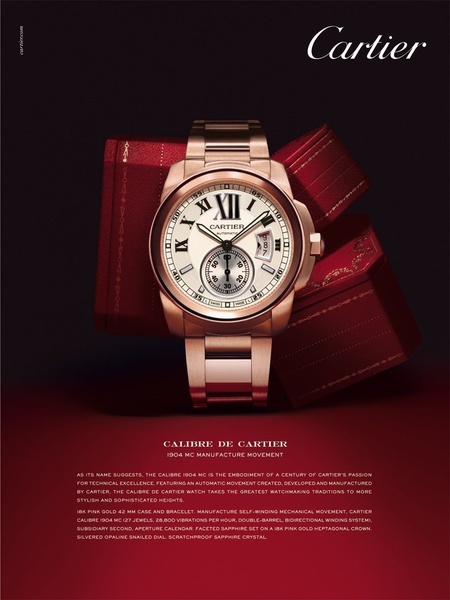
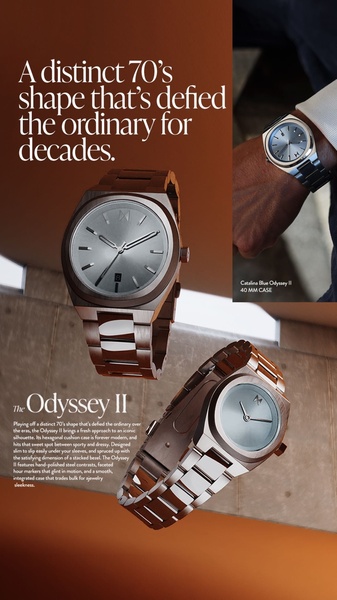
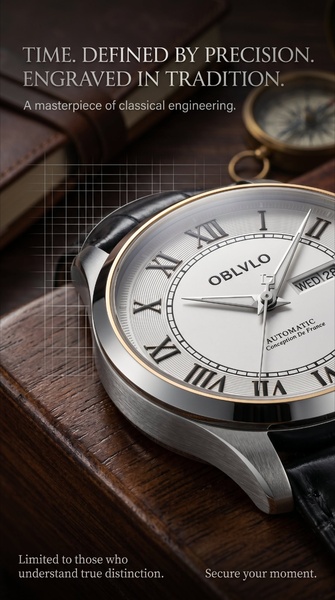
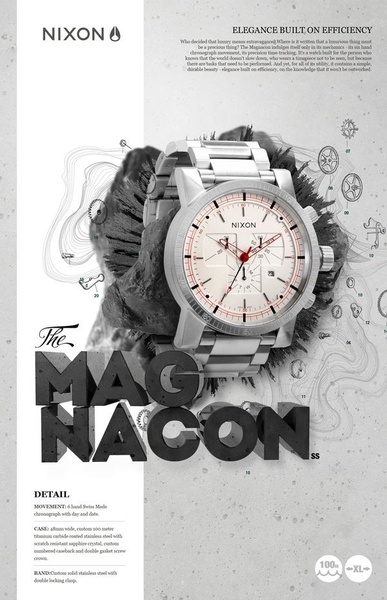
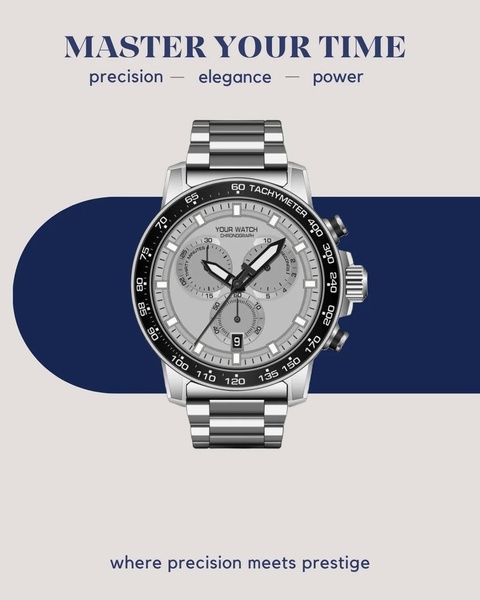
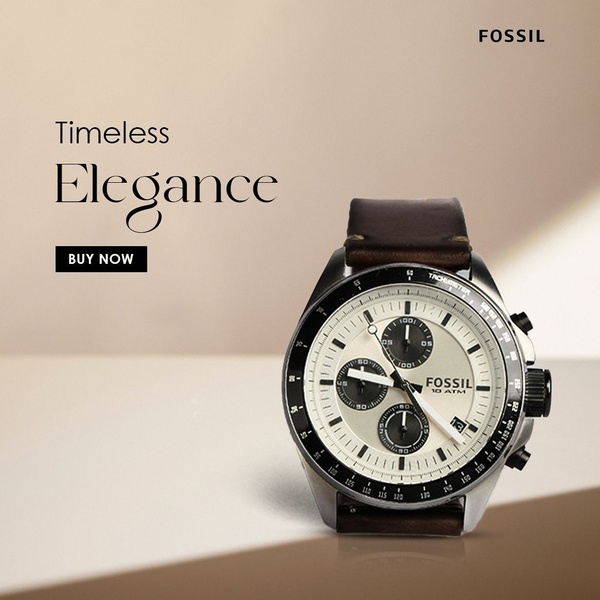
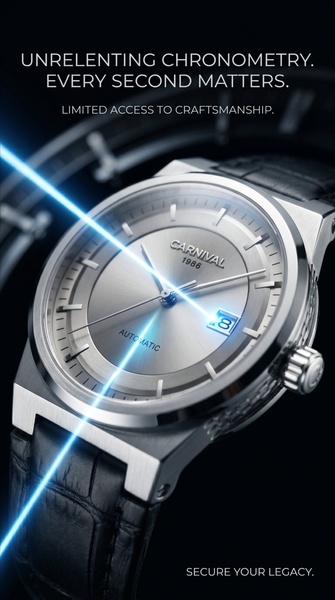
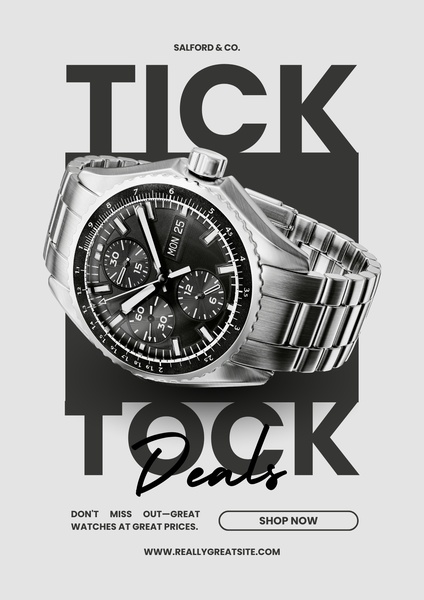
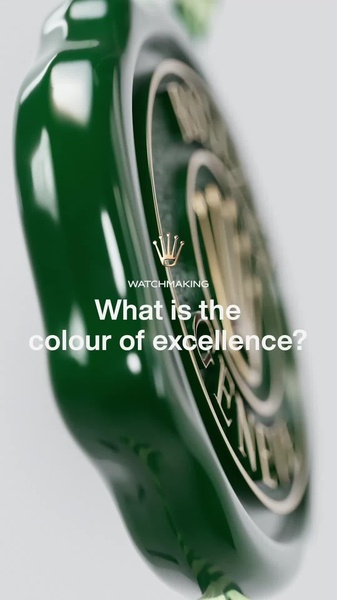
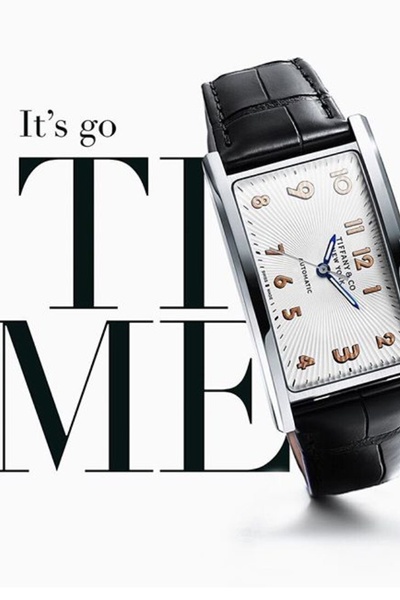
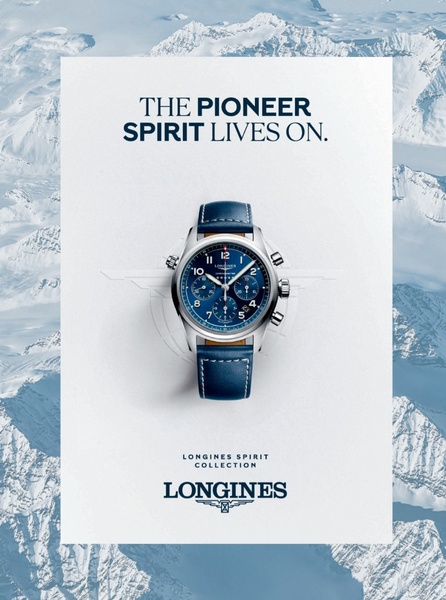
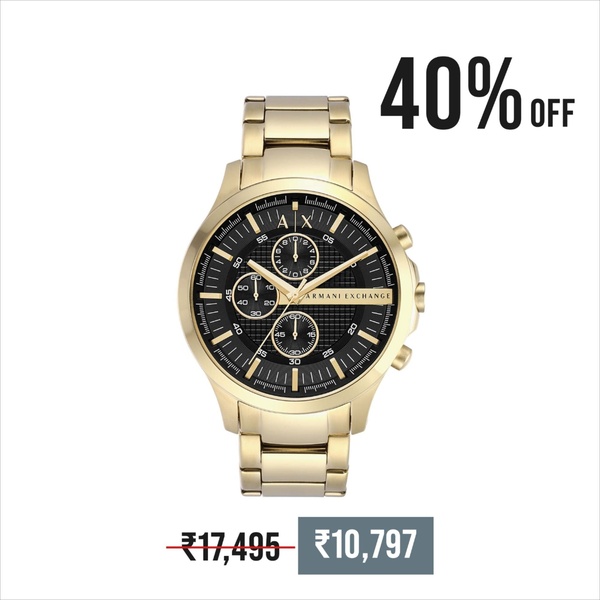
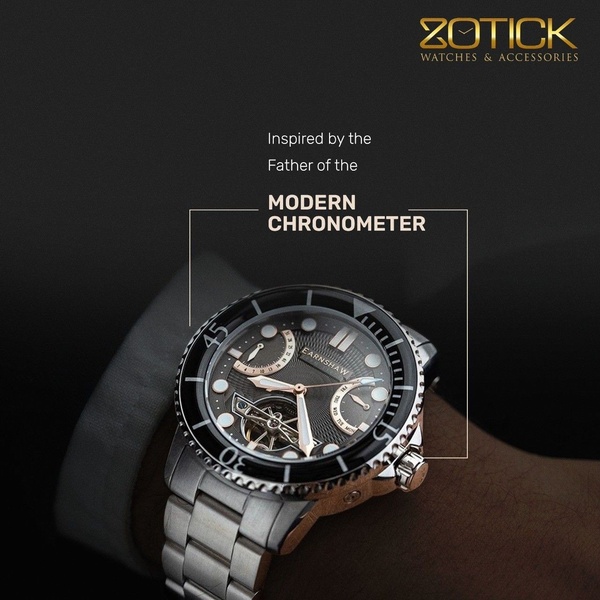
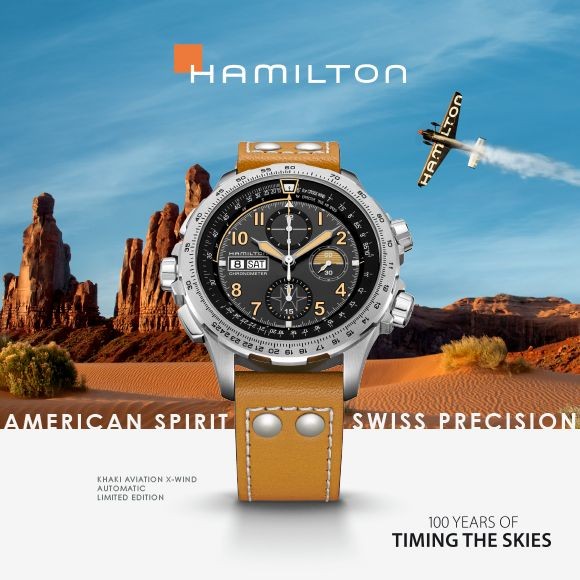
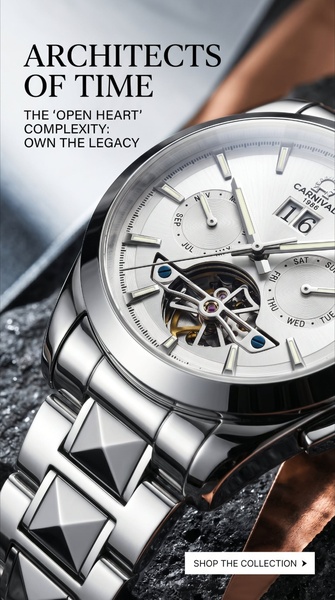
A watch ad has two jobs in sequence: earn the desire, then earn the purchase. The dial face earns the desire - the design of the bezel, the hands, the texture of the dial surface is what the buyer is actually evaluating when they decide whether this watch is for them.
A flat studio shot of the whole watch from a distance leaves that evaluation half-done. A close-up of the dial, the case, and the strap detail in good light lets the buyer make a real decision.
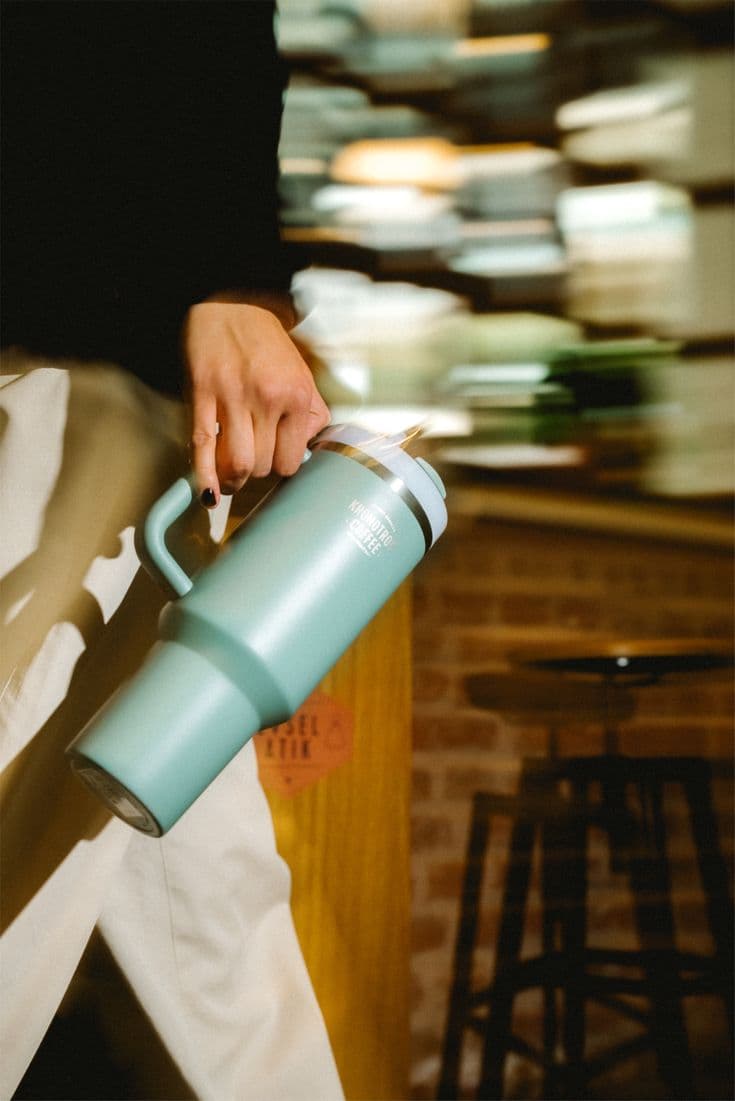
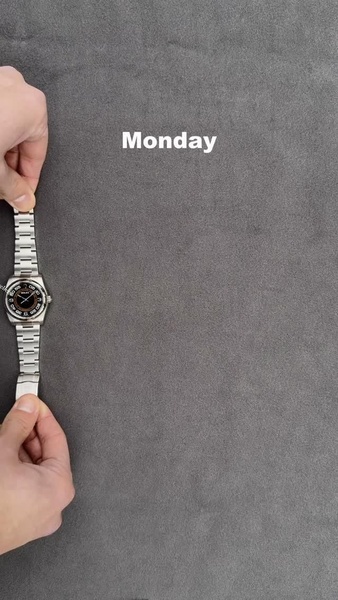
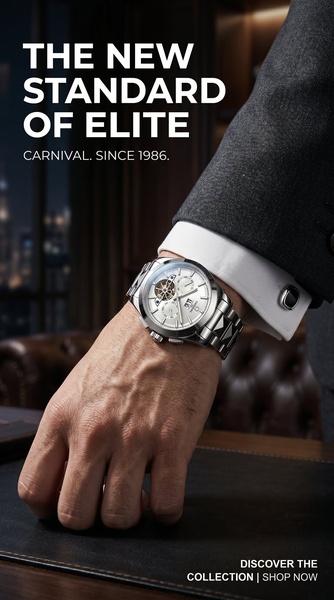
The wrist shot closes it. Showing a watch on a wrist solves the two questions a flat product image can't: how large is it in real life, and how does it look when worn?
Both matter more for watches than for almost any other wearable category, because the proportions of a watch face to a wrist are what separate a piece that works on someone from one that doesn't.
The strongest watch ads use both - a composed dial close-up to earn the desire, a wrist shot to prove the real-life result.
How Promer AI writes your watch ad from dial detail to finished creative?
Getting the dial story and the gifting angle right still leaves the headline, the occasion framing, and the CTA unwritten. That's the part Promer AI handles from your actual product page rather than a blank brief.
Paste your product page and the AI reads it, pulling out the case design, the movement type, the strap material, the occasion the watch is built for, and which price tier and buyer it speaks to.
It then writes the headline, body, and CTA on top of the winning structure you picked. Review everything before it runs - generated creatives can have mistakes - and make sure every price, product detail, and sale term is accurate before publishing.