



Soccer gear isn't bought for performance alone - it's bought for identity
A running shoe is bought to run. A soccer boot is bought to run, but also to feel like a player, to belong to a team, to wear a badge of loyalty. That's the difference that shapes the whole category: soccer and football advertising sells identity and fandom as much as function. The buyer isn't just a customer, they're a fan - and a fan buys with their heart before their head.
That's why the two dominant ad formats look so different. The boot ad is pure product drama - a single cleat suspended on a bold color gradient, lit like a hero object, with the tech spec ("boost your power," the stud pattern, the strike zone) as the pitch. It sells the performance edge and the desire to own the newest, fastest boot. It converts the player who believes the right boot makes them better.
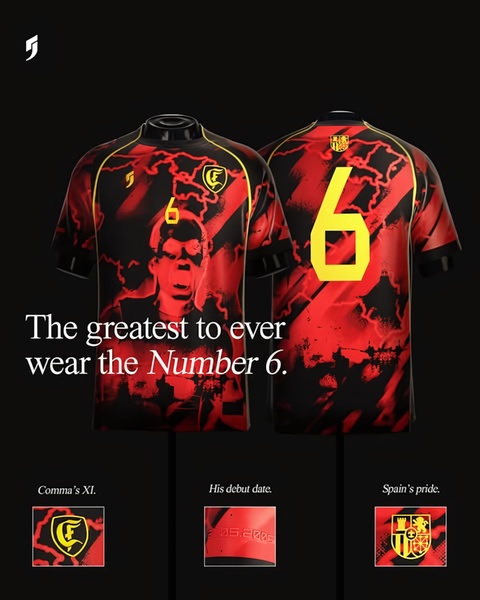
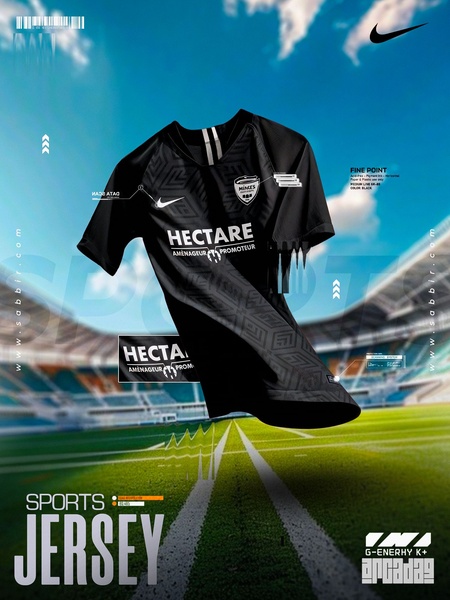
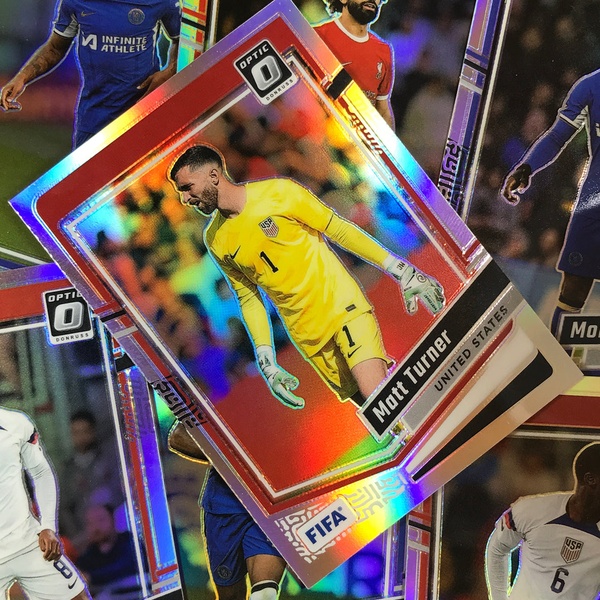
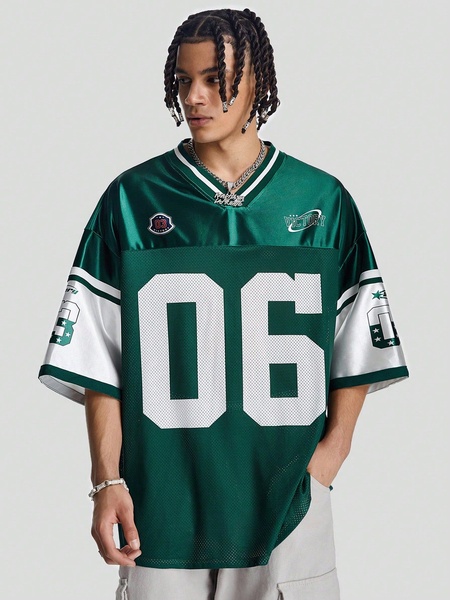
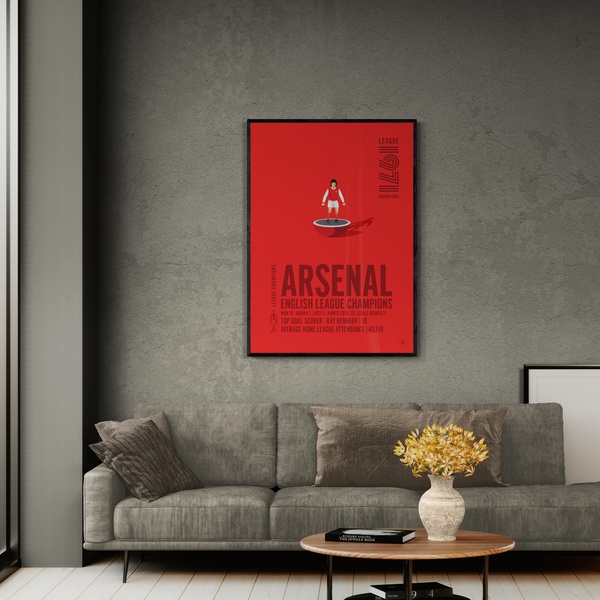
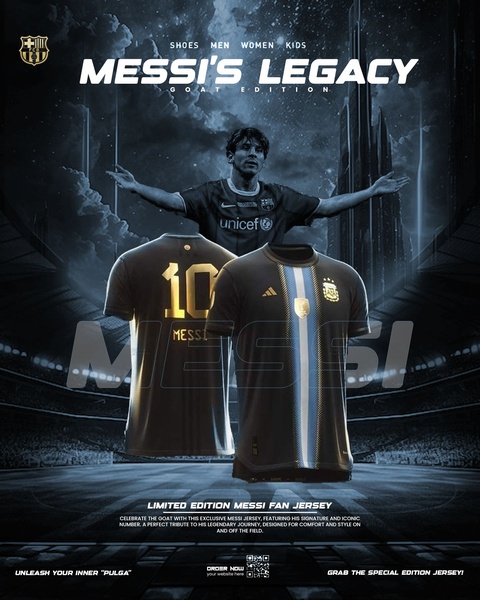
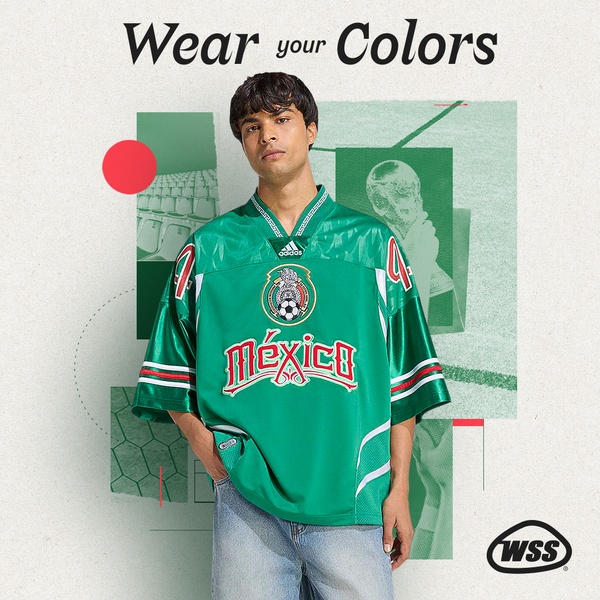
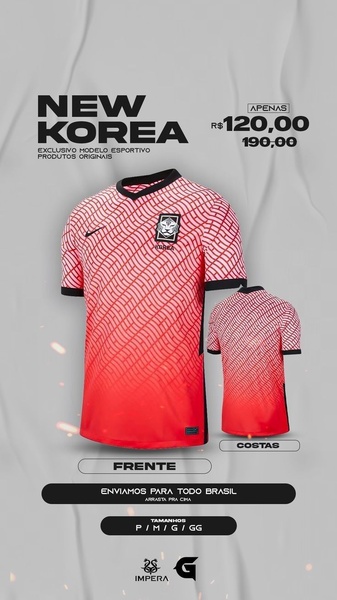
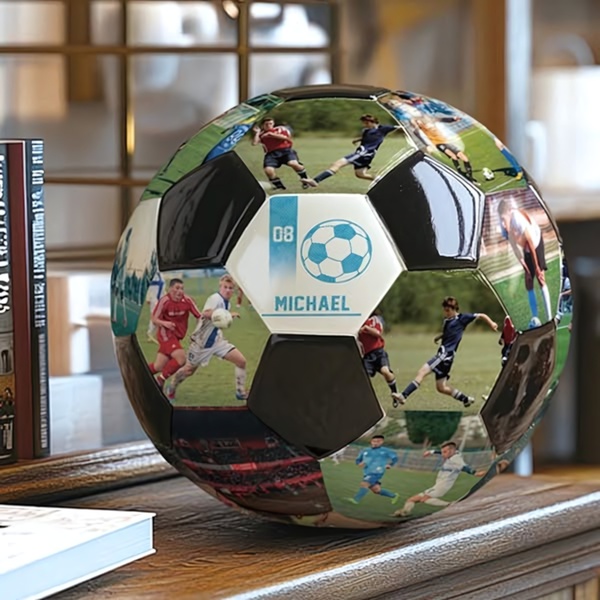
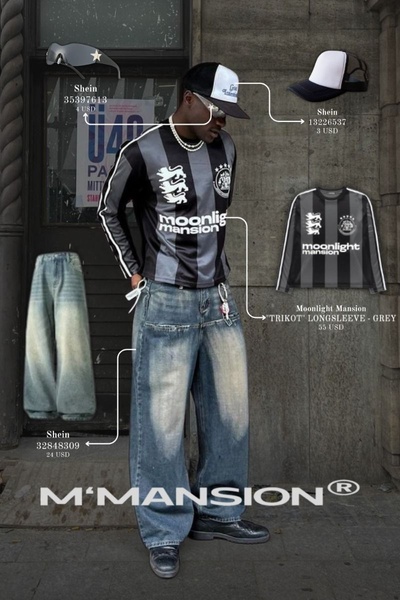
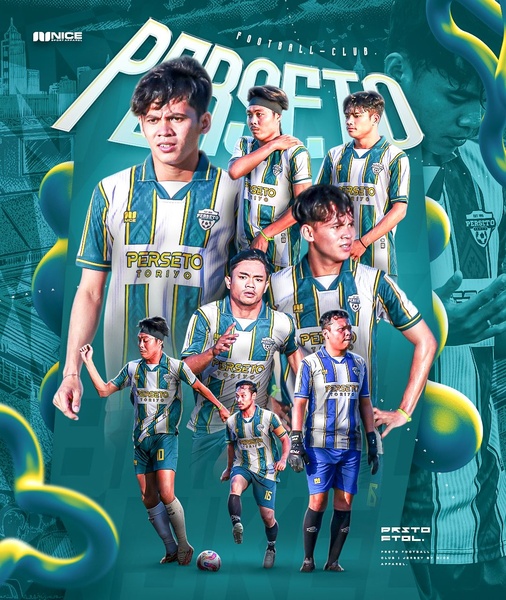
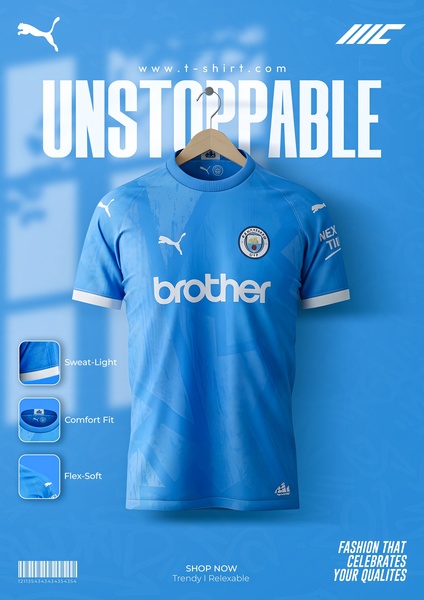
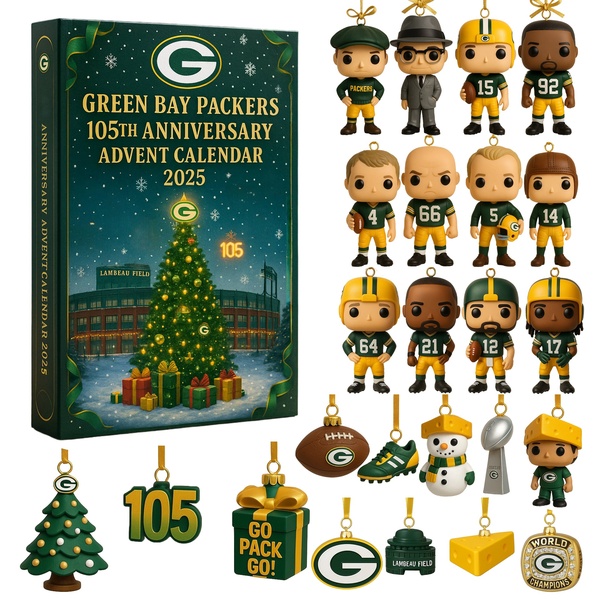
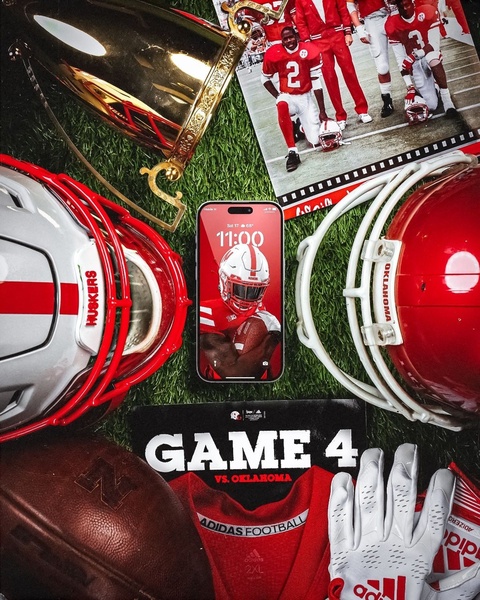
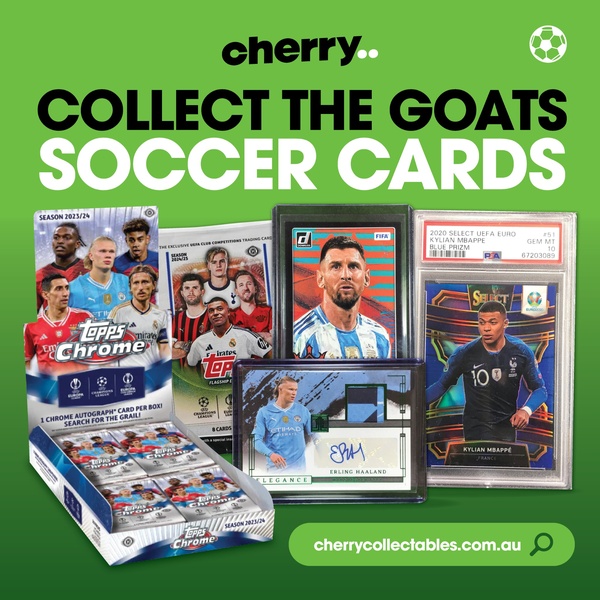
The kit and fan ad sells belonging. A club jersey, a national team shirt, a limited-edition player kit, "wear your colors" - these convert the fan buying into an identity, a tribe, a legacy. And the collectible ad (trading cards, "collect the GOATs") sells the fandom itself as a product. Across all three, the emotional pull of the sport is doing what a spec sheet can't.
How Promer AI builds your soccer or football ad from the product, the tech, and the fandom?
Knowing whether you're selling performance, identity, or fandom still leaves the headline, the claim, and the CTA unwritten. That's the part Promer AI handles from your actual product page rather than a blank brief.
Paste your product page and the AI reads it, pulling out the product type (boot, kit, gear, collectible), the tech or feature, and the fan or player identity it speaks to. It then writes the headline, body, and CTA on top of the winning structure you picked.
Review before it runs - generated creatives can have mistakes - and make sure any product, price, or availability detail is accurate. If your ad involves a real player's likeness, a club's kit, or league branding, confirm you have the rights to use them before publishing.