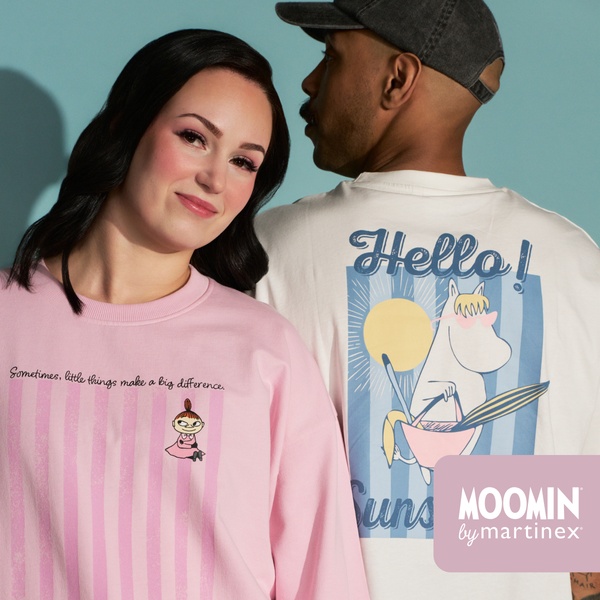
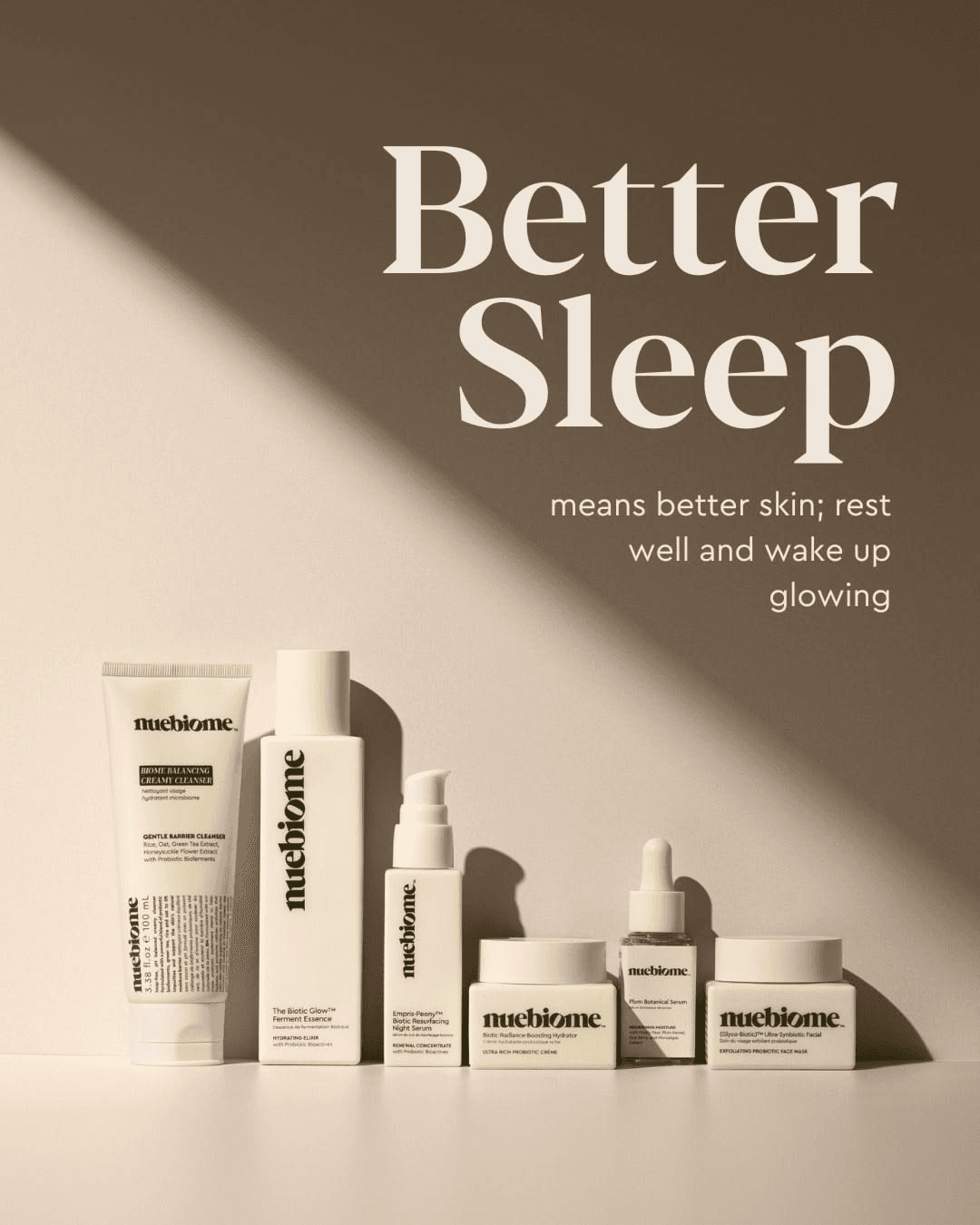
Real shirts and tops ads - fit proof, social proof, flash sales, and gift occasion framing - tagged by the format doing the work, so you brief your next campaign from what's already converting. Promer AI reads your product and builds the ad for you.
It's a proven ad structure - the format, layout, and messaging behind a shirts or tops ad that already converted - applied to your own product. In Promer AI, each template is tied to a real top-performing ad and a creative theme, and the AI generates the actual ad from your product context, so you start from a structure that worked, not a blank layout.
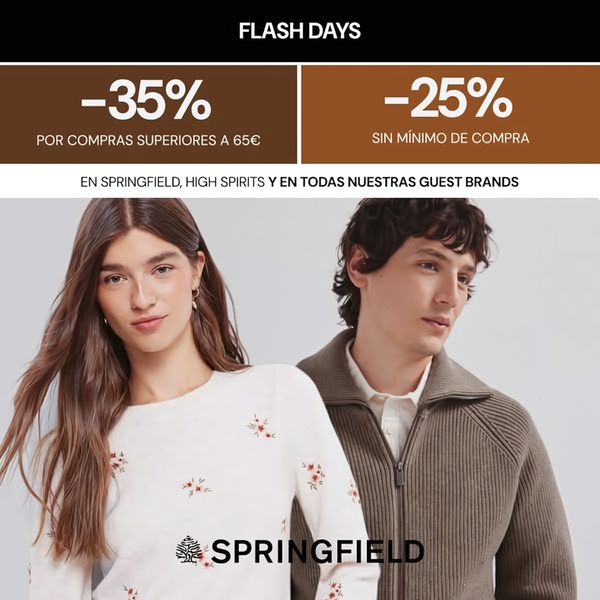
Statistics (a sold count, a review number, a viral proof point), Testimonial (a specific fit quote from a real customer), Feature & Benefit (construction details - fabric weight, shoulder fit, drape), and Offer & Sale (flash deals, clearance events, gifting discounts) are the dominant structures in top-performing shirts and tops ads. Bold Claim and Headline work well for fit-promise positioning, while Product Hero suits a clean range or multi-color display.
A basic t-shirt is a low-risk purchase - the buyer knows what they're getting. A shirt or top worn to work or an occasion carries more fit anxiety, because a poor fit is visible in a way that matters. Social proof - a review count, a sold statistic, a real customer's fit description - resolves that anxiety before the click in a way a clean editorial shot can't on its own.
Lead with the recipient and the occasion rather than the product itself - "the perfect fit for dads" or "best gifts under $100" works better than a product description when the buyer is shopping for someone else. Gift-framing ads tend to peak around occasion windows (Father's Day, Christmas, birthdays), so an Offer & Sale or Bold Claim structure with a gift angle and a clear price point converts well in those windows.
Specificity - a named construction detail ("reinforced shoulder seam," "curve-hem cut") or a real customer's words ("fits perfectly in the shoulders, falls gracefully over my arms") is more credible than a generic "perfect fit" promise. Promer AI pulls these details from your product page, so the fit claim in the ad reflects your actual product rather than a placeholder.
Yes. The t-shirt page focuses on identity - what wearing a particular brand means. The clothing page focuses on collections, seasonal drops, and full-range ads. This page is for shirts and tops as a considered, occasion-appropriate purchase - where fit proof, social proof, and gifting framing are the structures that close the decision.
Static works well for fit-proof and offer-led ads - a clean model shot with a strong fit claim or a flash sale detail. A short video can show movement and drape in a way a static image approximates but doesn't fully deliver. Promer AI lets you start from a static winning template and use AI Ad Animation to turn it into an 8-second video, so you can test both from one structure.
Copy that names a specific fit detail or proof point - a construction claim, a review count, or a gifting occasion - tends to outperform a generic style line. A CTA that matches the purchase trigger - "Find your fit," "Shop the sale," or "Get it in time for Father's Day" - converts better than a flat "Buy now" for a category where fit anxiety and gifting timing both drive the decision.
Not if the fit detail and the proof point are specific. Apply a Brand Kit to push your logo, colors, and fonts automatically, and make the construction detail, the review signal, or the gifting occasion specific in the copy - a generic "great fit" line on a proven structure is still a generic ad.
You can create your first ad free, with no credit card required. For current usage limits and what each tier covers, check the pricing inside the app.
Promer helps you find the pattern, adapt it to your product, and create your own version in minutes.