



Why t-shirt ads live or die on brand identity, not just the garment?
A t-shirt is one of the hardest products to advertise purely on product merit - the garment itself is rarely the differentiator. Two brands can sell virtually identical cotton in identical cuts and get completely different conversion rates depending on what the ad says the brand stands for. The buyer isn't just choosing a shirt; they're choosing who they look like when they wear it.
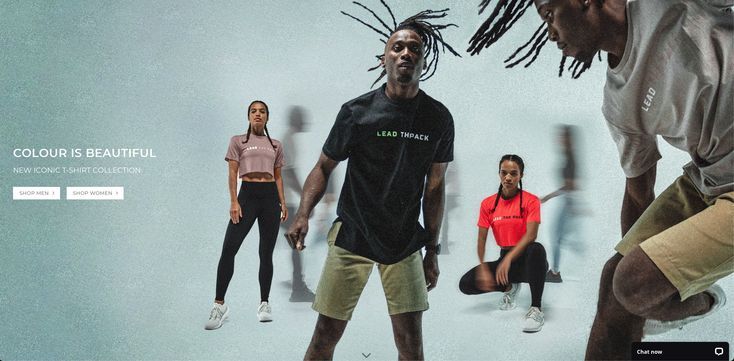
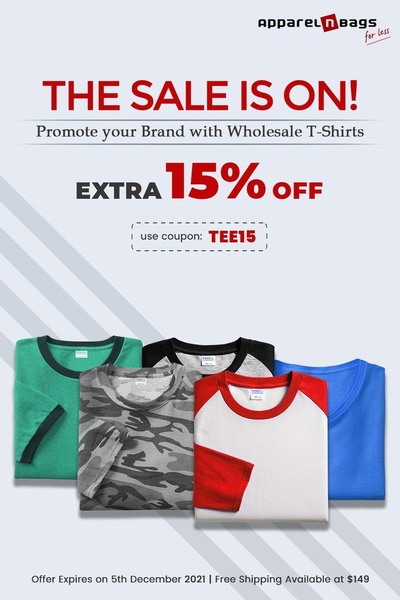
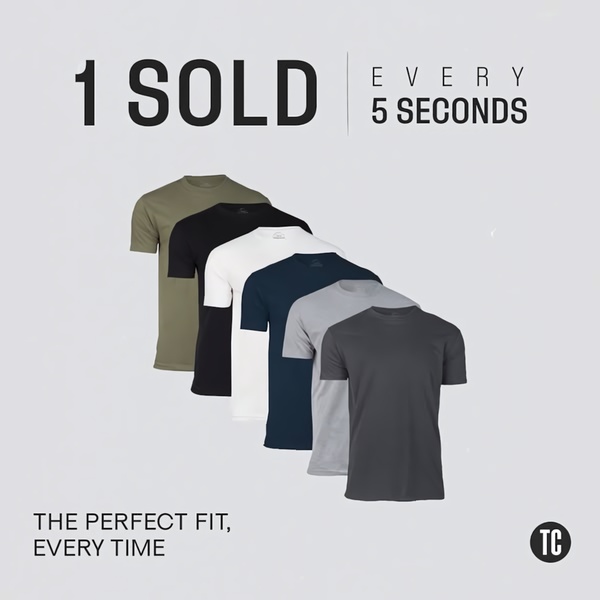
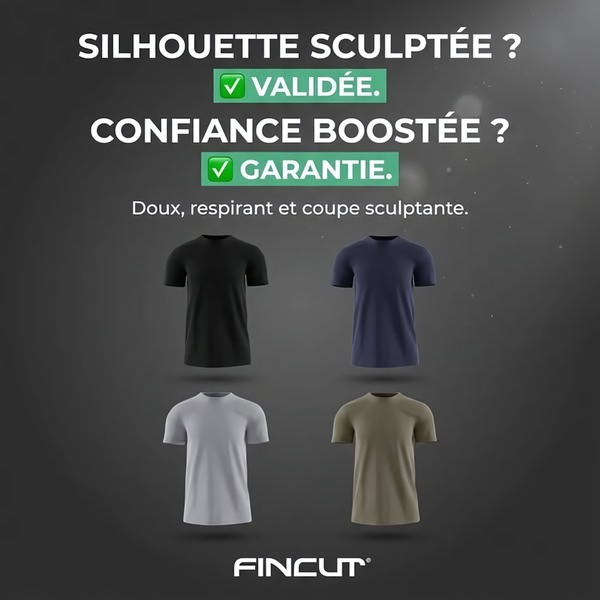
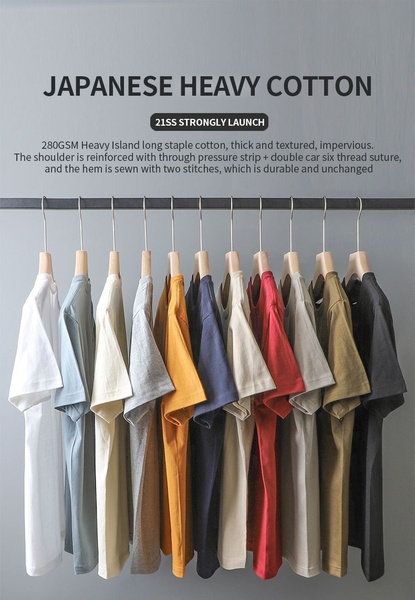
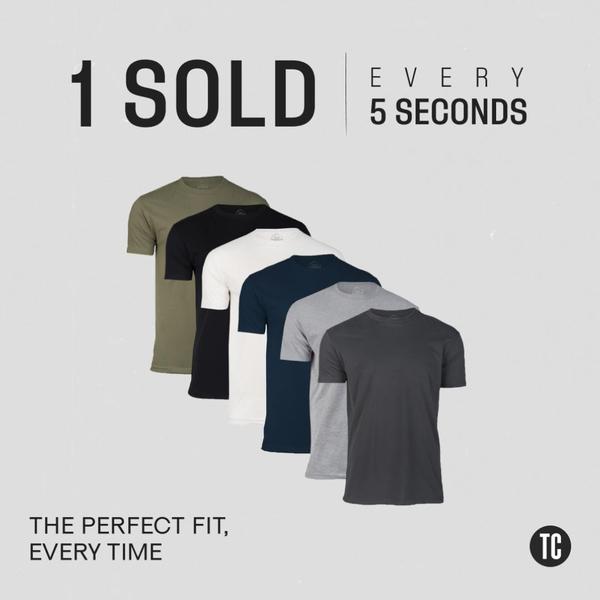
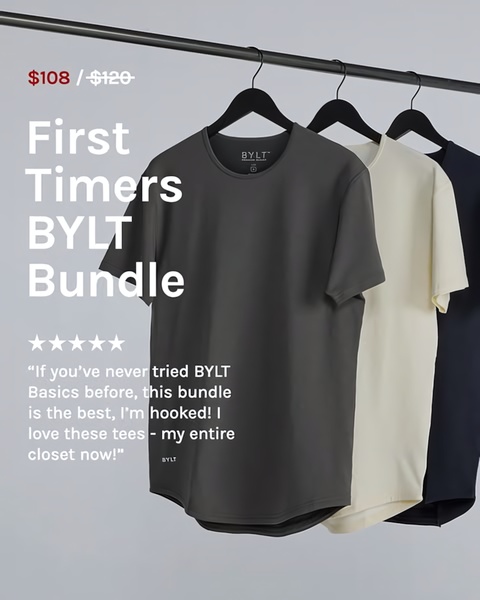
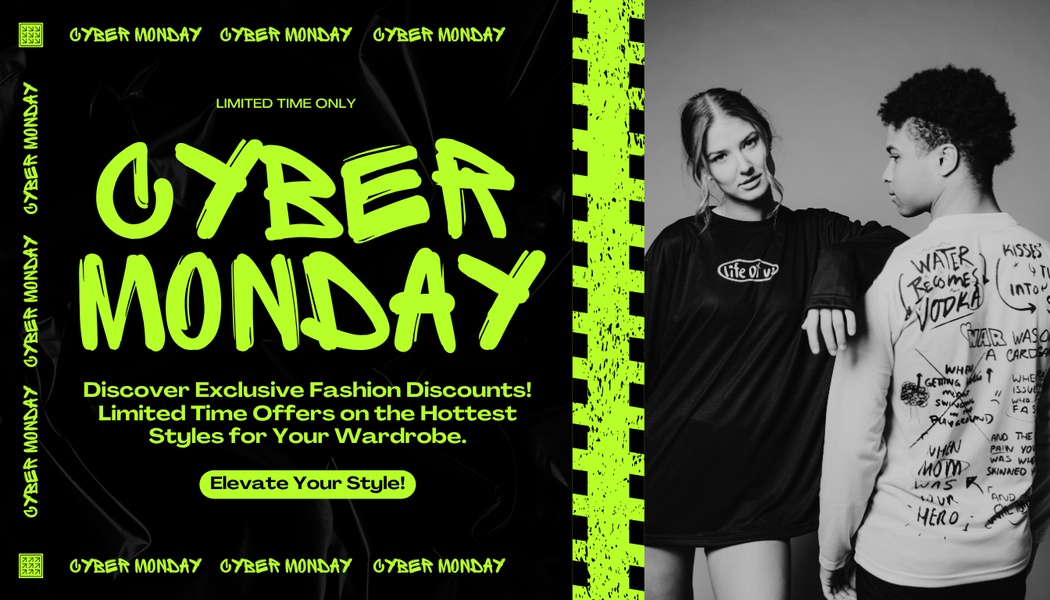
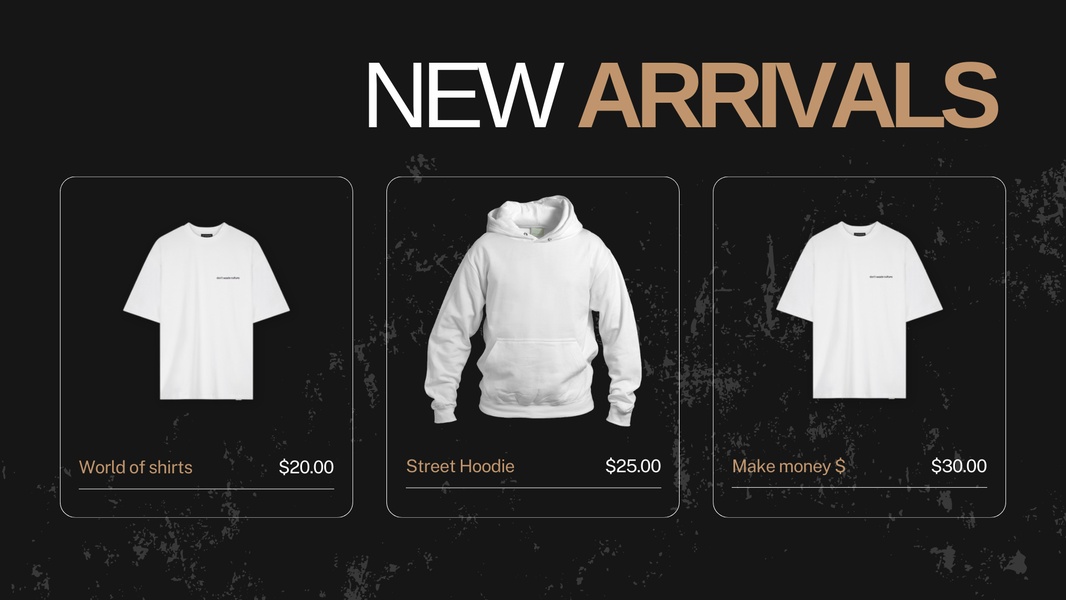
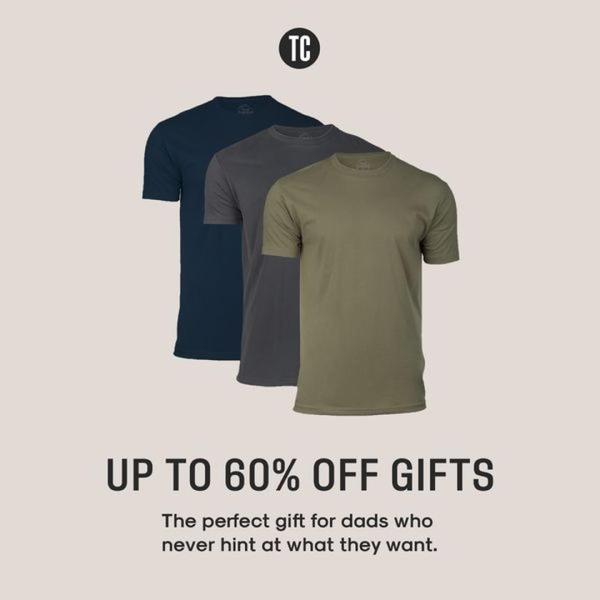
That split runs through the whole category. A basics or commodity brand - one competing on fabric, fit, and price - wins by proving the product before the brand: the material, the weight, the construction, a clean model shot that lets the buyer picture themselves in it. An identity or statement brand wins the other way around: the brand's values, aesthetic, or cultural position come first, and the product follows. Both are in the t-shirt category, and the same ad structure rarely works for both.
What Promer AI builds from your t-shirt product page?
Knowing which angle to lead with - product-first or brand-first - still leaves the creative itself unwritten. That's the part Promer AI handles from your actual page rather than a blank brief.
Paste your product page and the AI reads it, pulling out the fabric, the fit, the design story, and the brand positioning, along with your ideal customer and what they're actually buying into. It then writes the headline, body, and CTA on top of the winning structure you picked. Review everything before it runs - generated creatives can have mistakes - and make sure every product detail in the ad matches your current listing before publishing.