




What clothing ads have to prove that single-product ads don't?
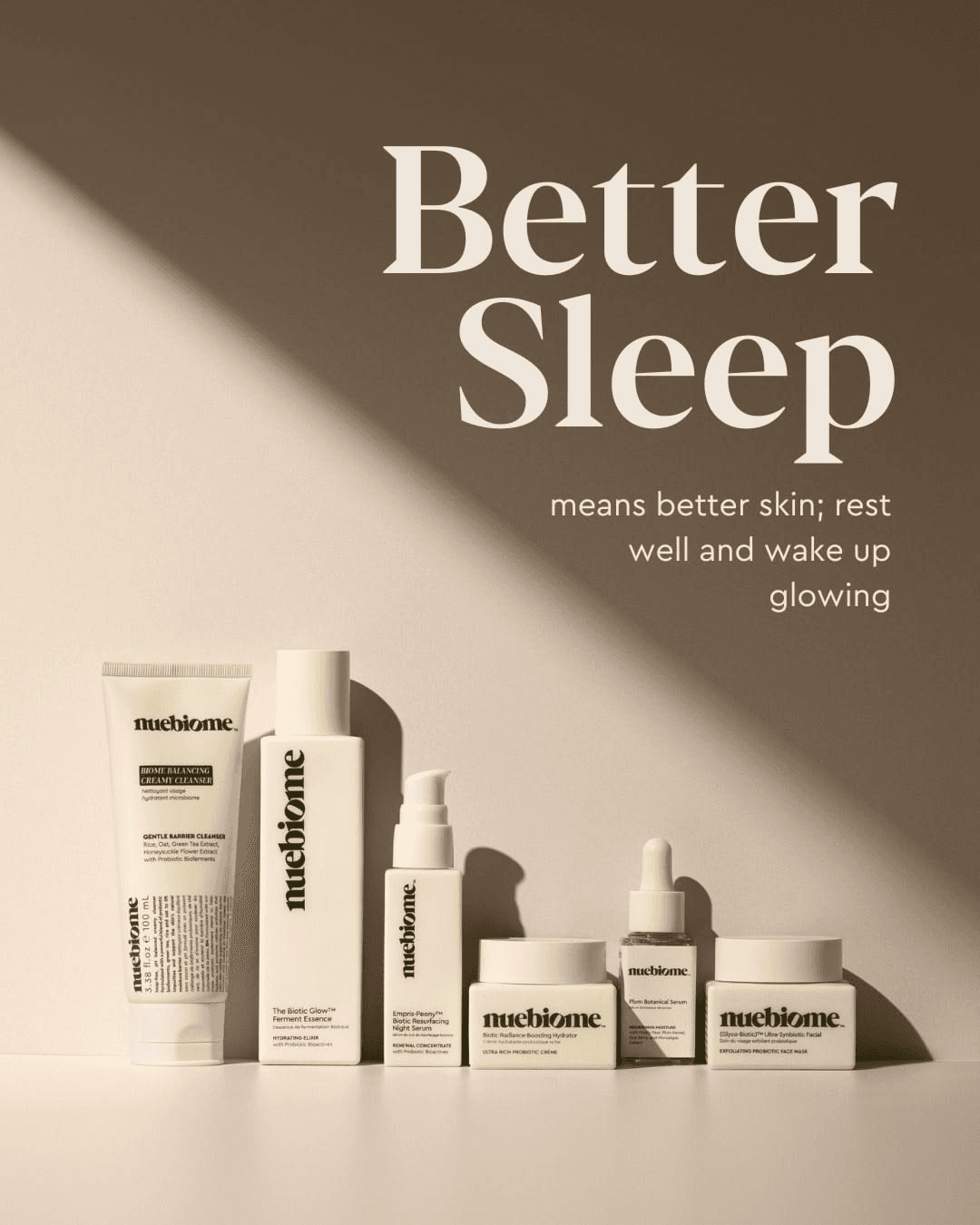
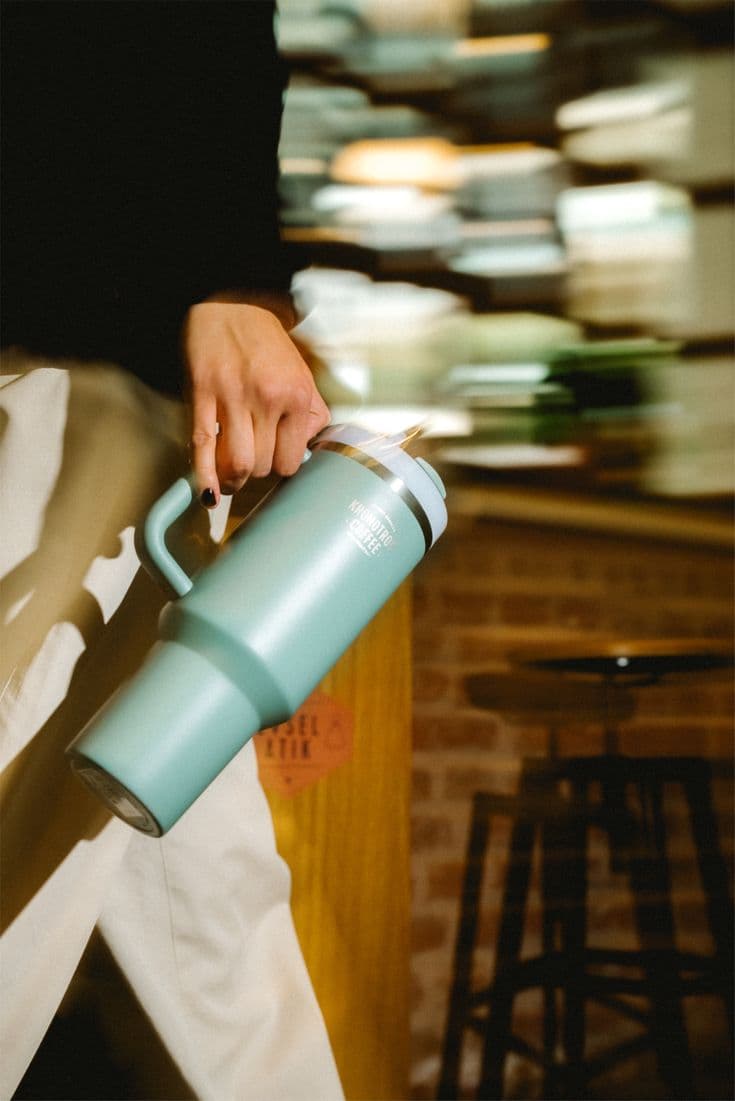
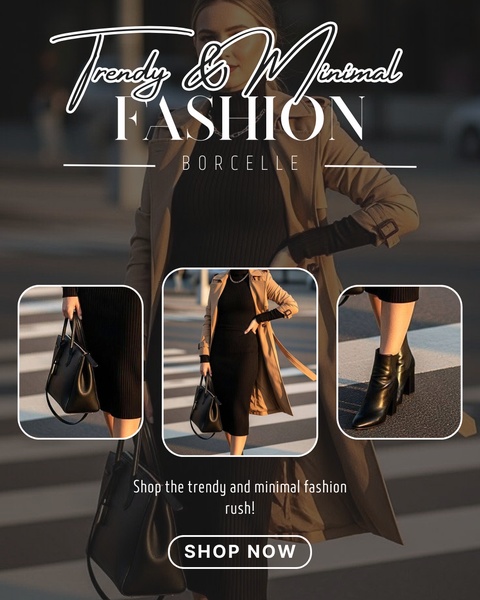
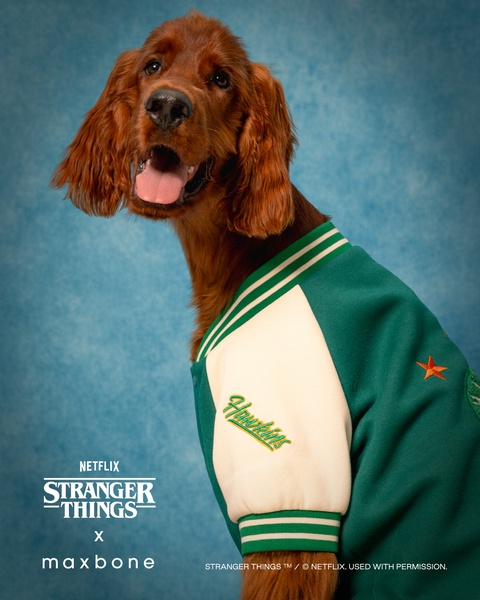
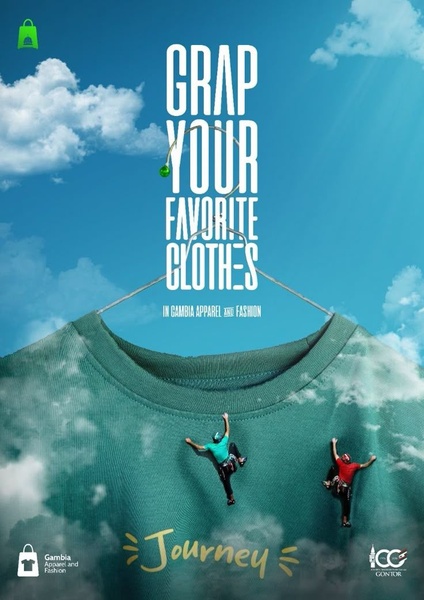
A clothing brand usually isn't selling one item - it's selling a look, a season, or a world the buyer wants to be part of. An ad for a full collection or a seasonal range has to make that world feel real enough to click through, while an ad for a single garment has to make the buyer picture themselves in it. Neither is the same job as selling a gadget or a supplement with a spec list.
That multiplies the creative decisions compared to a single-product category.
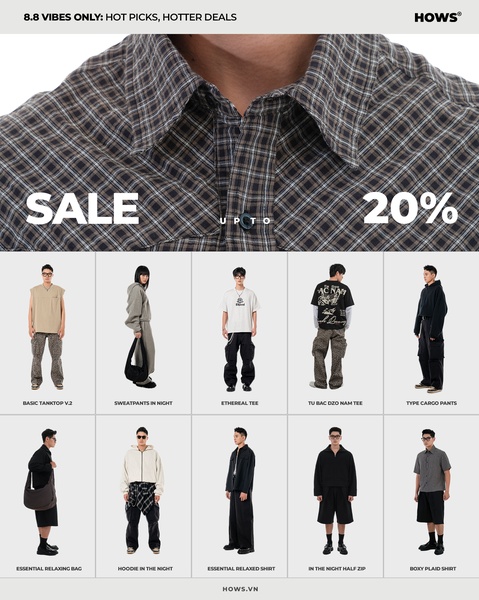
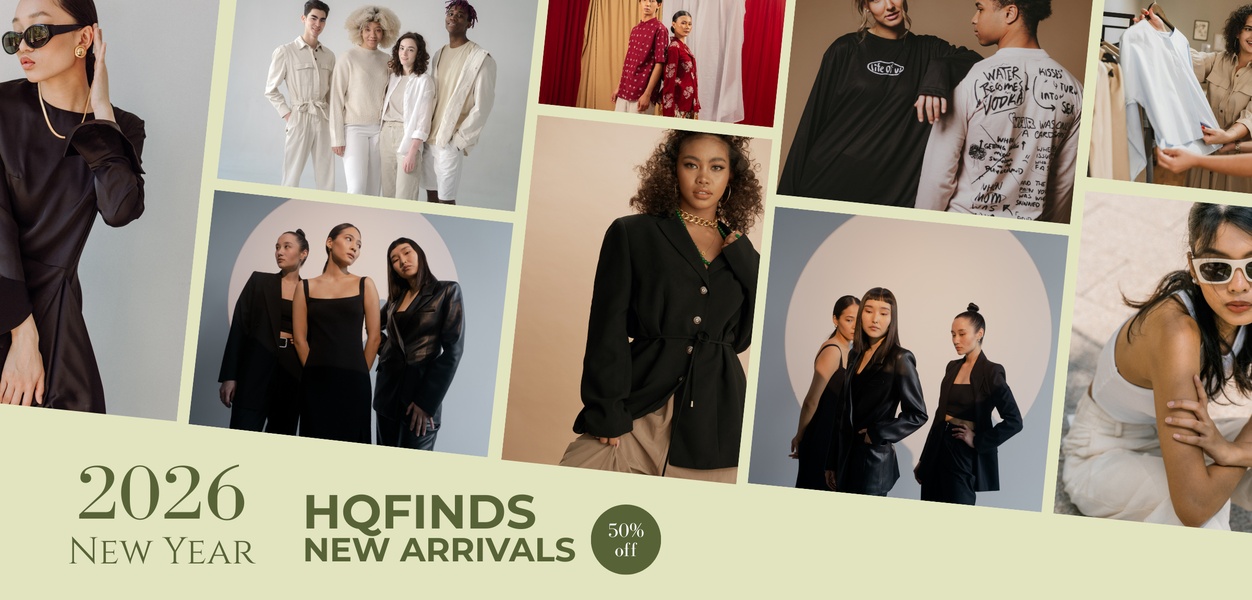
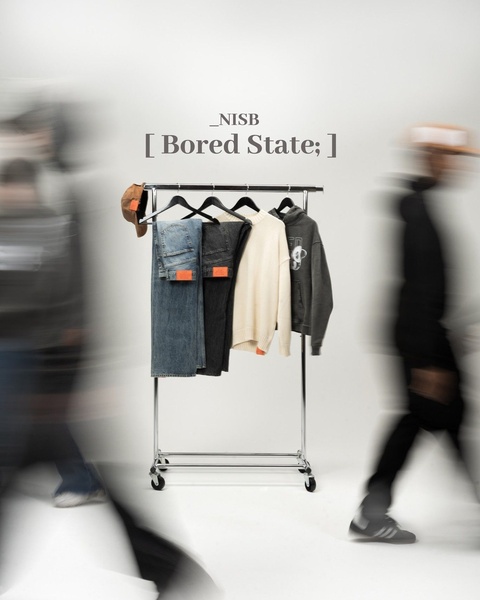
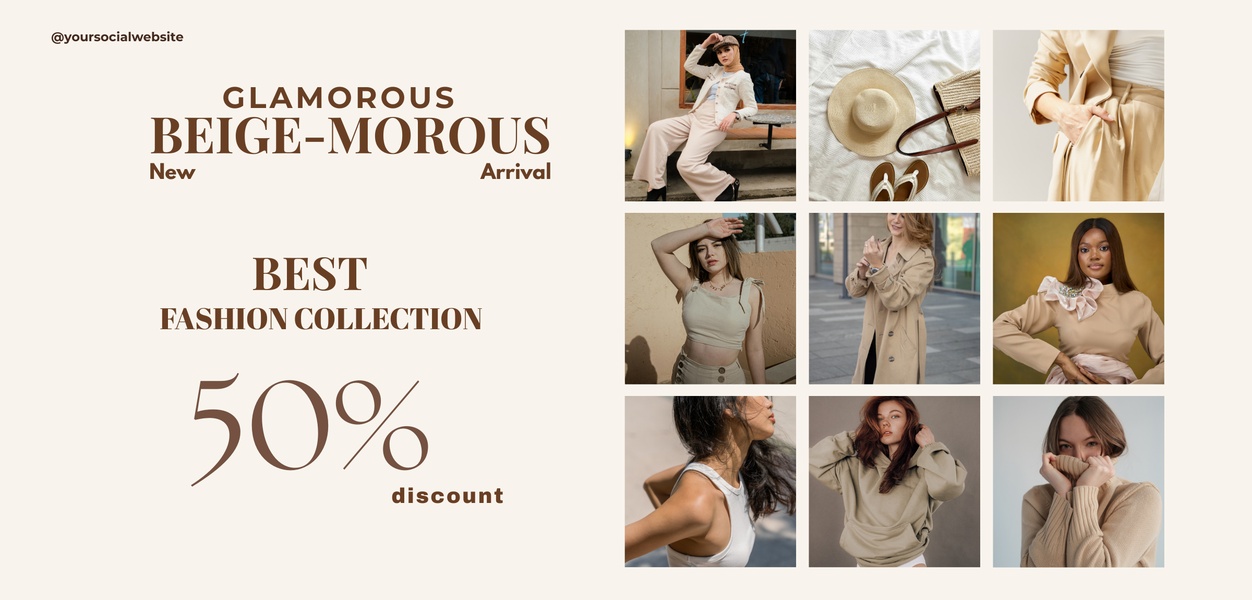
A multi-product grid ad has to choose which items anchor the collection without making the ad look cluttered.
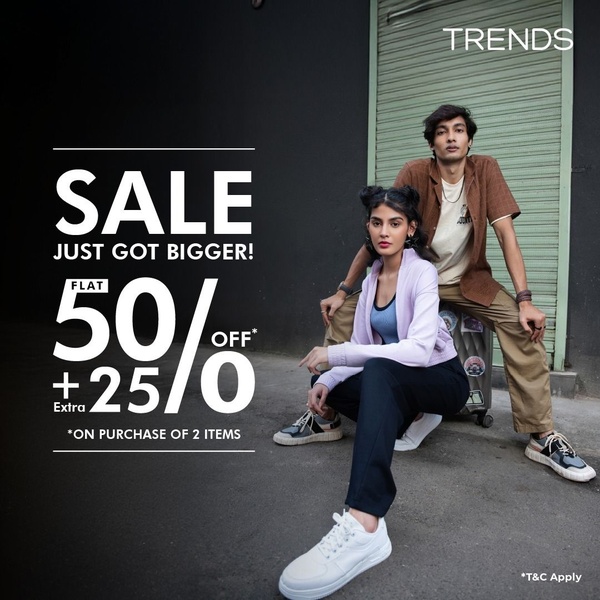
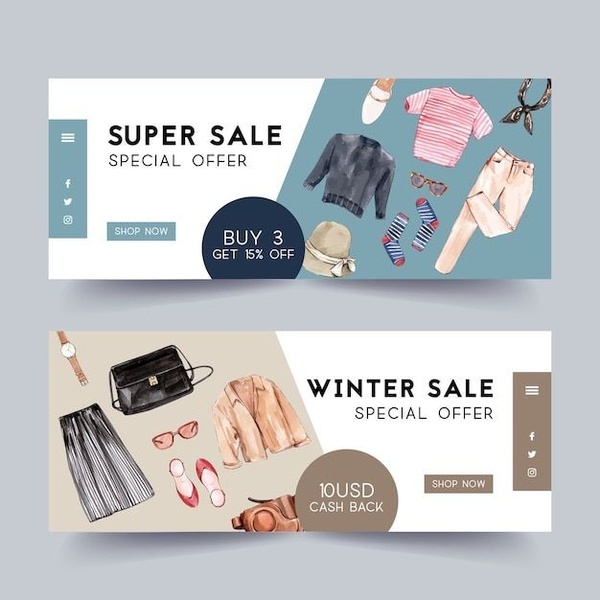
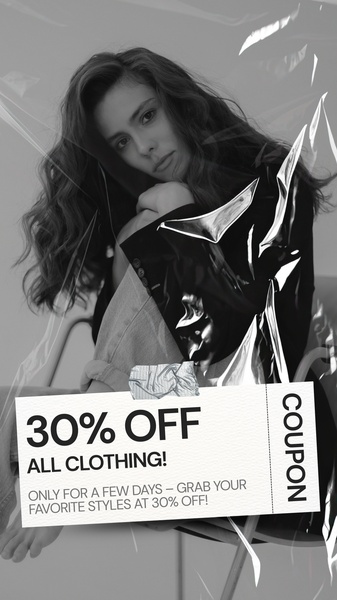
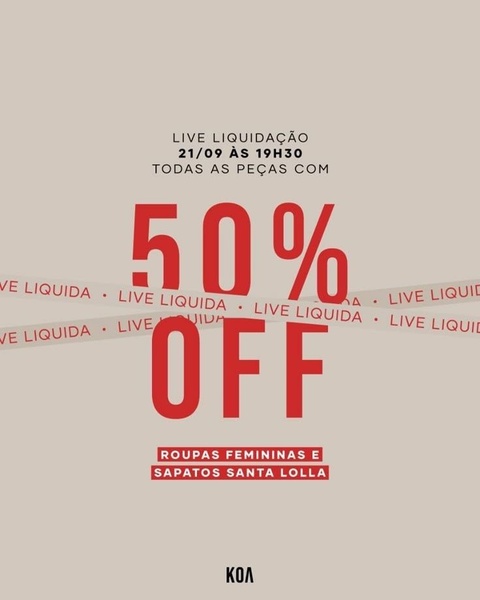
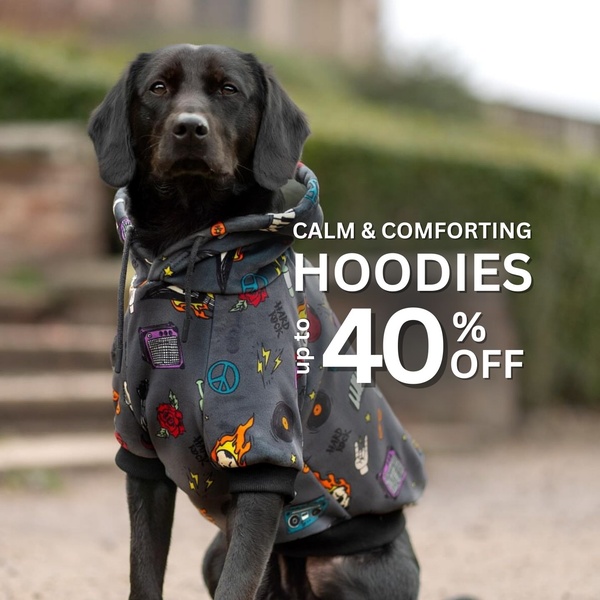
A seasonal sale ad has to create urgency without undercutting the brand's premium positioning.
A new-arrival drop has to generate anticipation before the buyer has seen the full range.
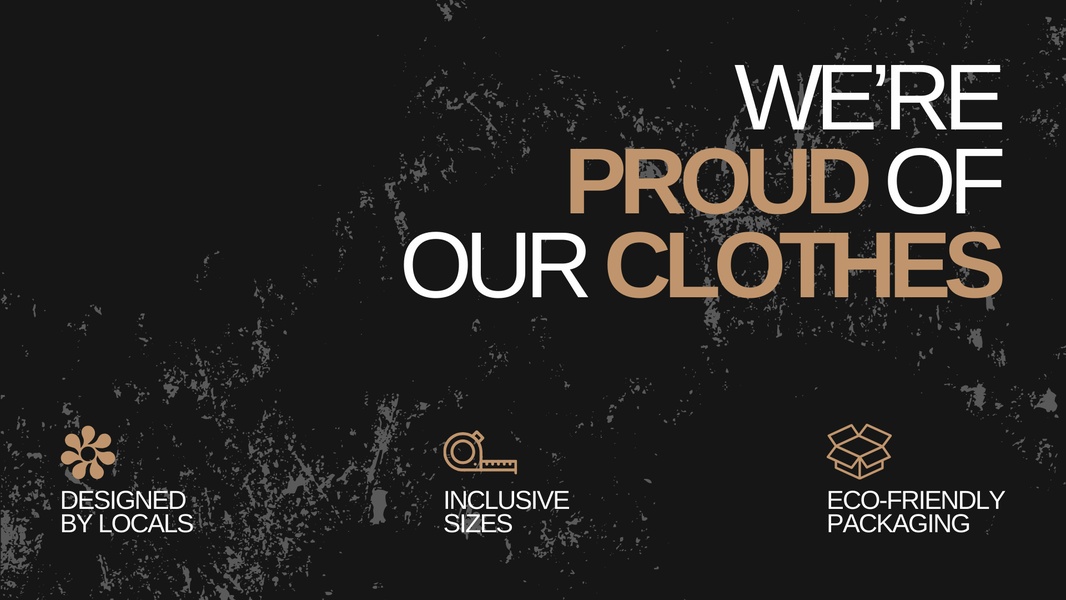
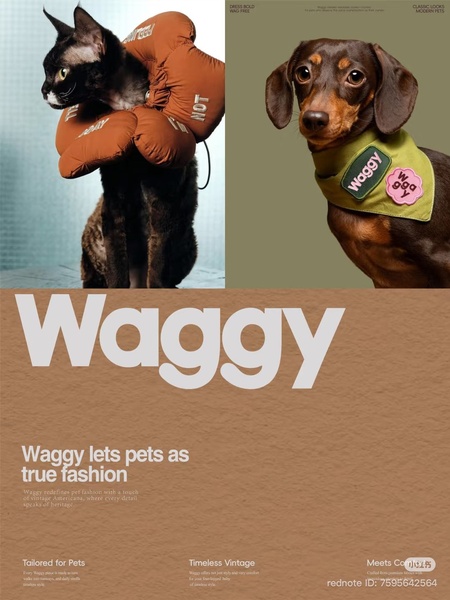
Each of those is a different structure, and picking the wrong one for the moment - running a sale format for a brand that competes on identity, or running a brand aesthetic format when a clearance event needs to move volume - is one of the most common reasons clothing ads underperform.
What Promer AI builds from your clothing product or collection page?
Knowing which moment you're in - sale, drop, evergreen brand - still leaves the creative unwritten. That's the part Promer AI handles from your actual page rather than a blank brief.
Paste your product or collection page and the AI reads it, pulling out the key pieces, the season, the brand positioning, and the purchase trigger for your buyer. It then writes the headline, body, and CTA on top of the winning structure you picked. Review everything before it runs - generated creatives can have mistakes - and make sure every price and product detail matches your current listing before publishing.