
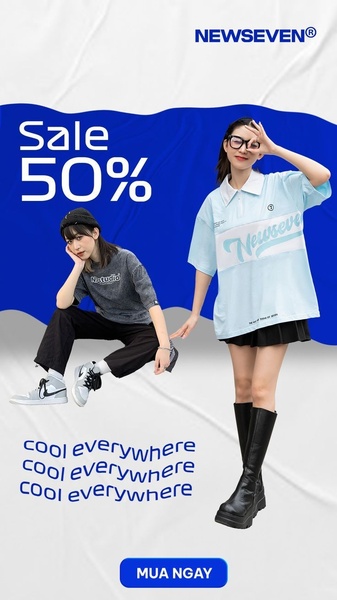

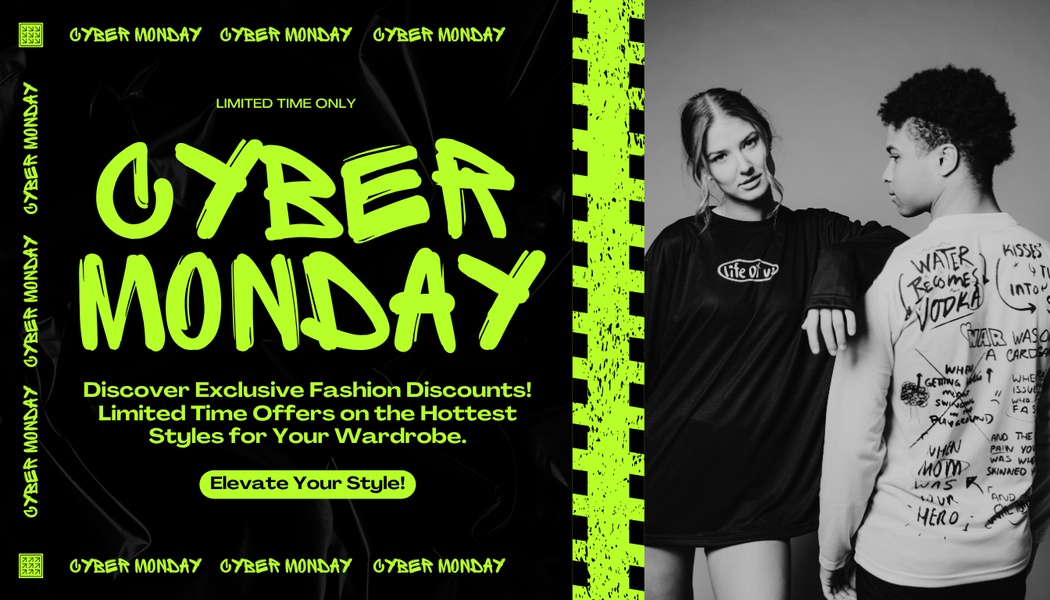
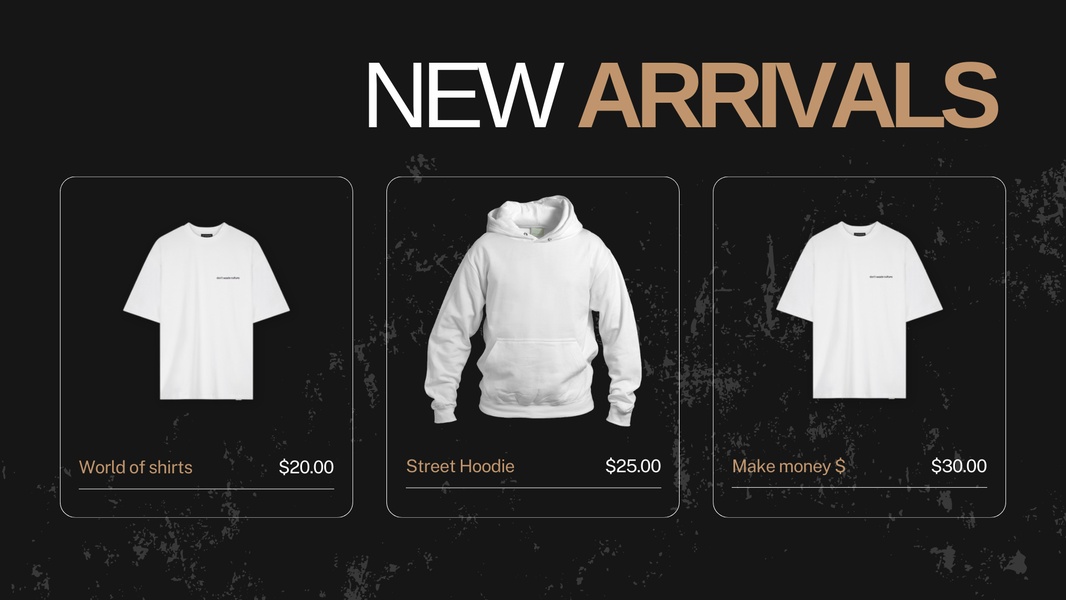
Why fit and social proof do the heaviest lifting in shirts and tops ads?
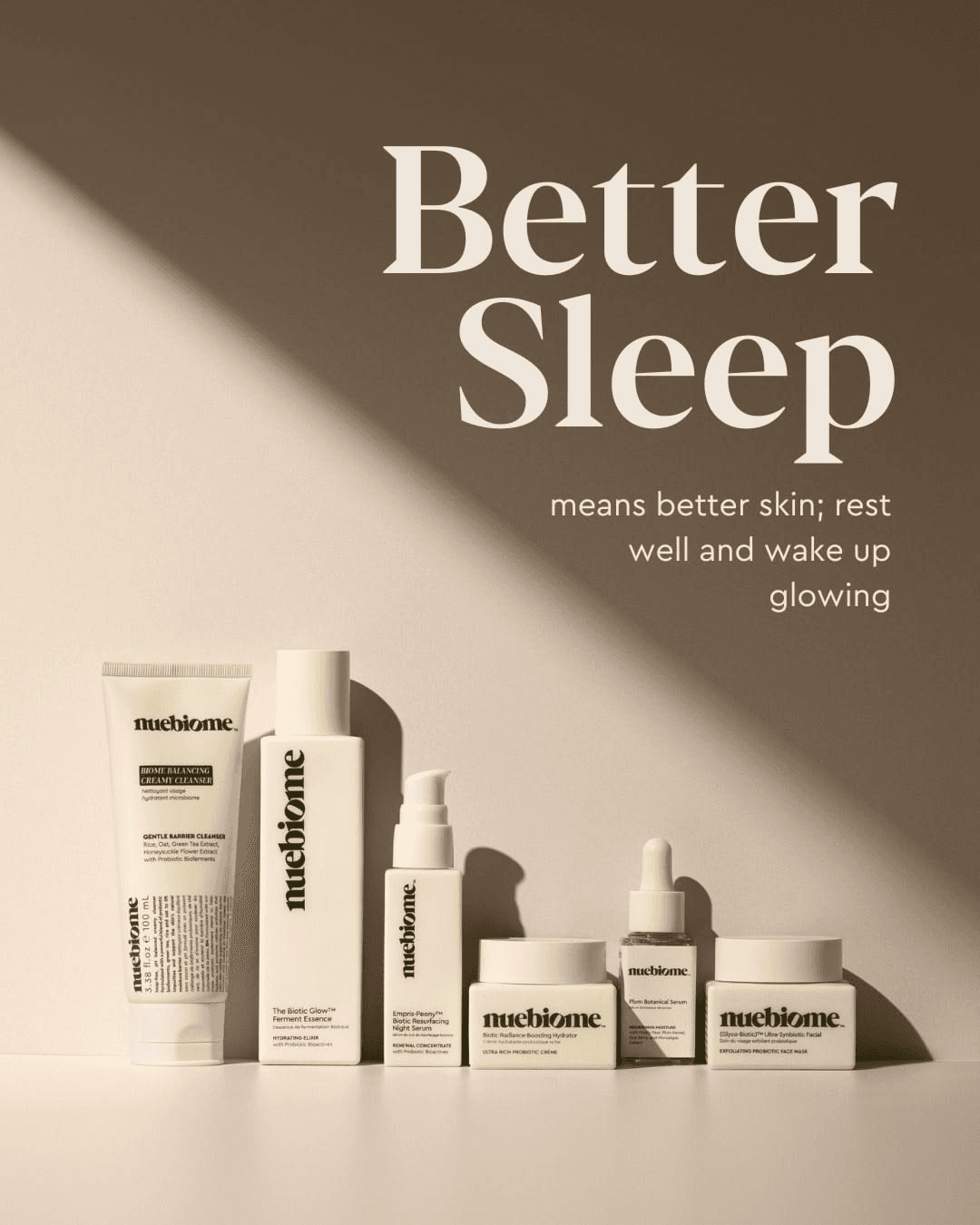
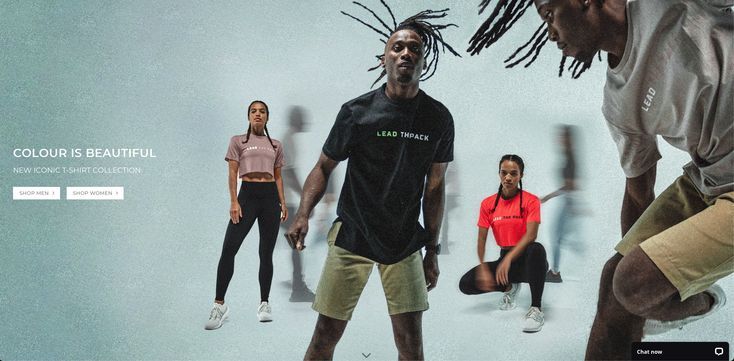
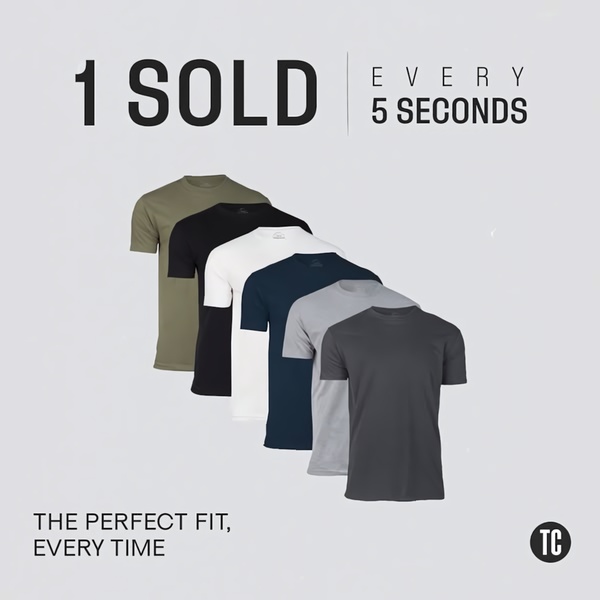
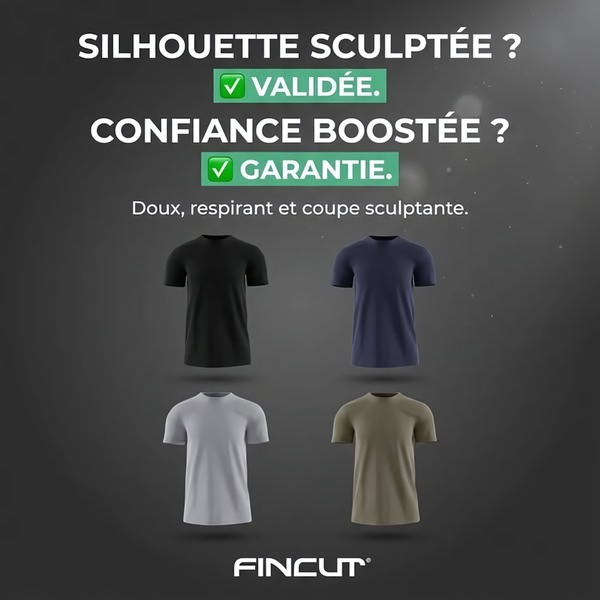
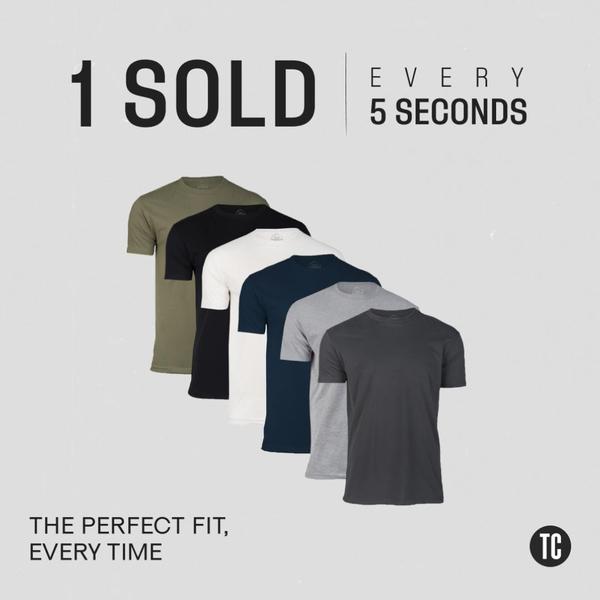
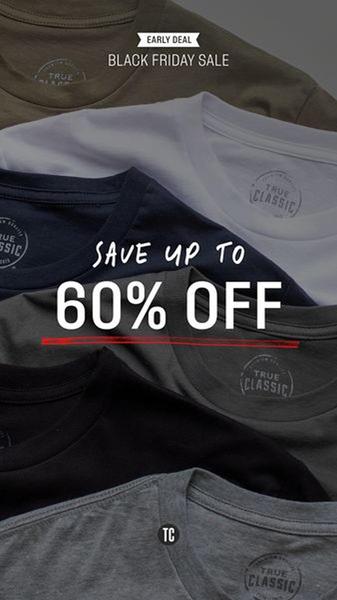
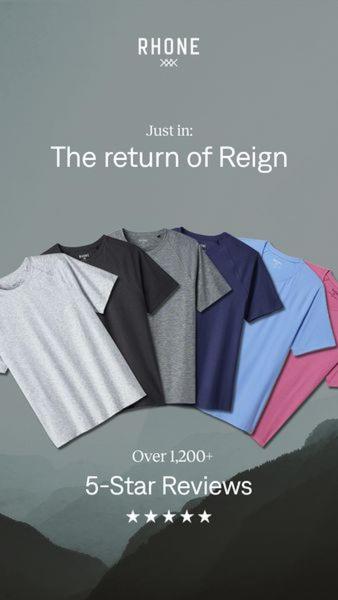
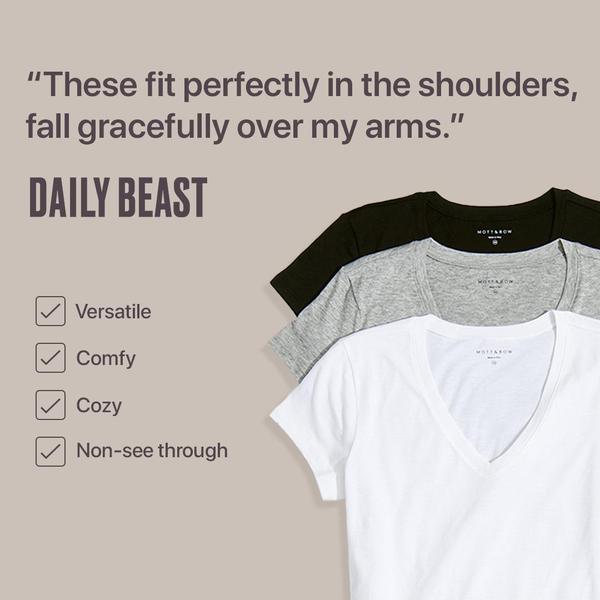
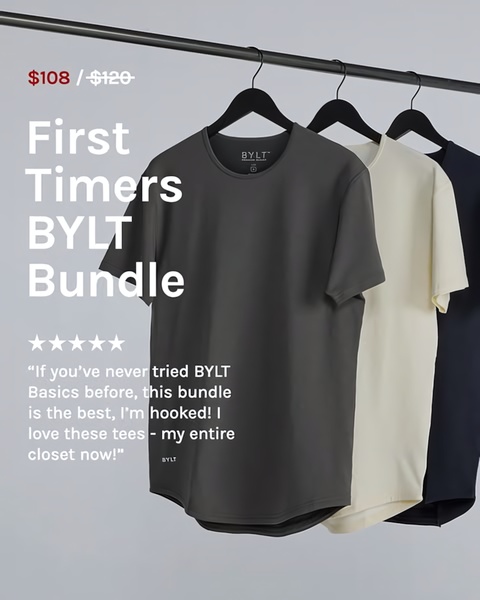
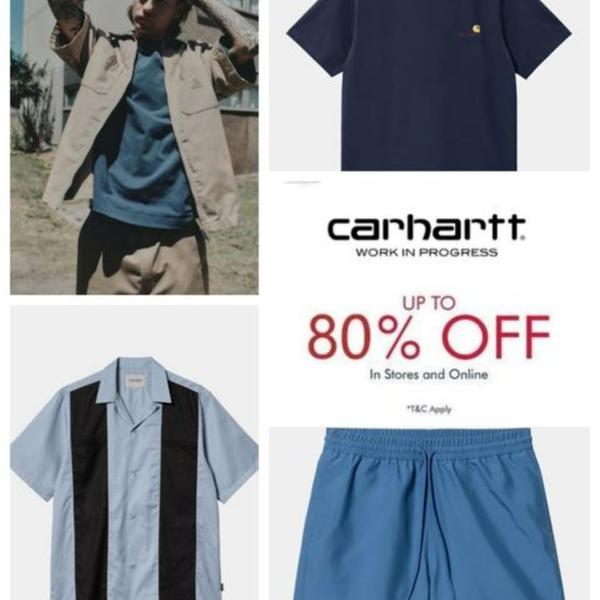
A shirt or top sits at a higher consideration level than a basic tee - it's worn to work, to occasions, to places where looking put-together matters - which means the buyer's primary anxiety is fit, not just style. An ad that can't resolve "will this actually fit me well?" before the click struggles in this category regardless of how strong the visual is. That's why the structures that dominate shirts and tops advertising lean harder on proof than on aesthetic: a real customer's fit testimonial, a social proof statistic, a specific construction claim ("the perfect fit, every time") all do more conversion work than a brand editorial shot alone.
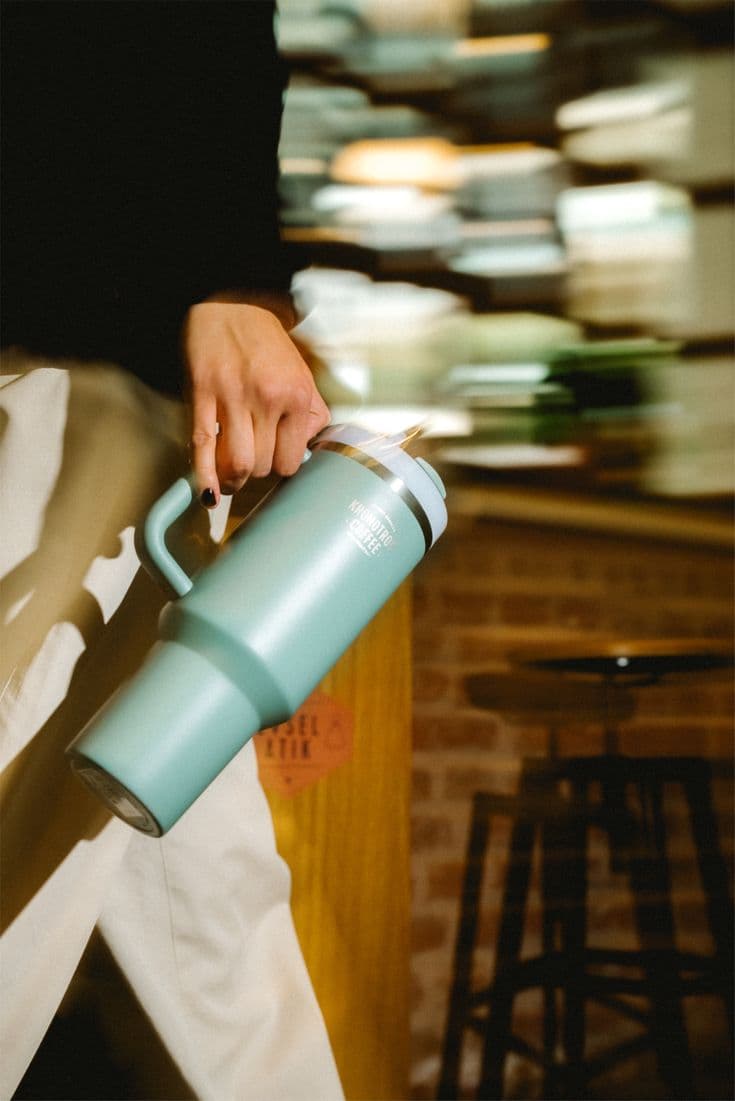
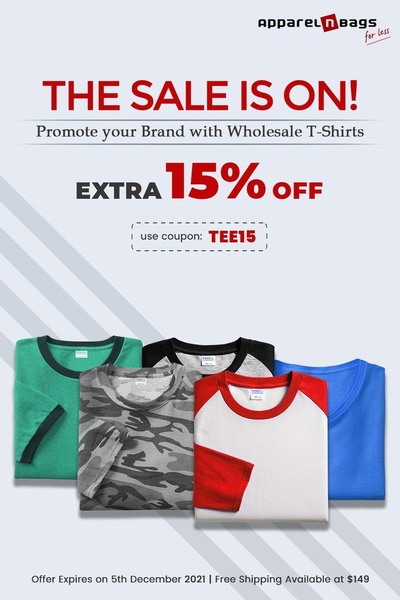
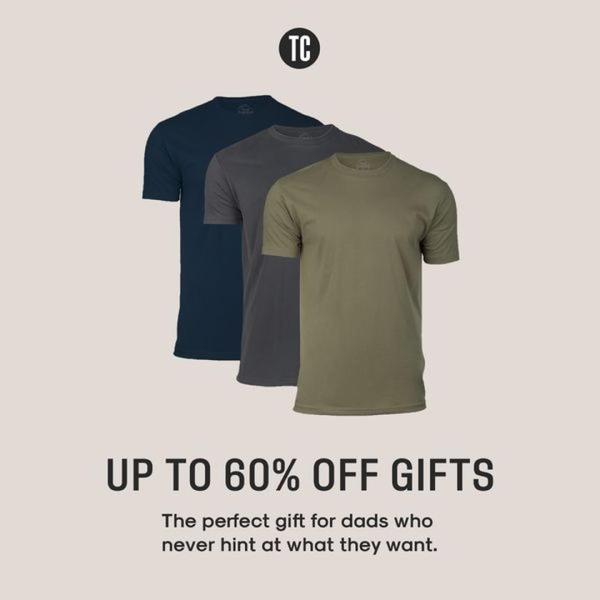
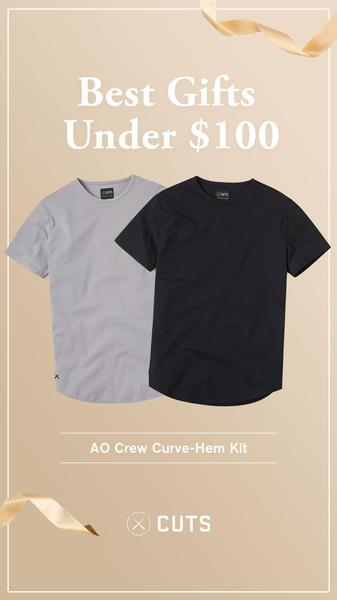
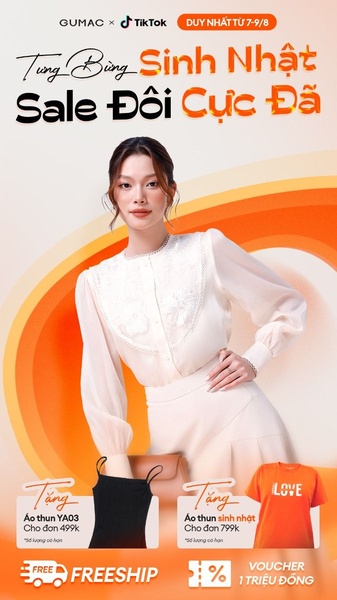
The gift dimension adds a second proof axis. Shirts and tops are among the most common gifted apparel items - especially for men - which means a segment of buyers isn't buying for themselves and needs the ad to resolve a different anxiety: will the person I'm buying this for actually like it? Gift-framing ads ("Best Gifts Under $100", "the perfect gift for dads") tap into that directly, and they tend to perform around occasion windows - Father's Day, Christmas, birthdays - where urgency and gifting confidence matter more than brand identity.
What Promer AI builds from your shirts and tops product page?
Knowing which proof angle to lead with - fit, social proof, or gift occasion - still leaves the actual ad unwritten. That's the part Promer AI handles from your actual product page rather than a blank brief.
Paste your product page and the AI reads it, pulling out the construction details, the fit claim, the social proof signals, and the occasion the product fits. It then writes the headline, body, and CTA on top of the winning structure you picked. Review everything before it runs - generated creatives can have mistakes - and make sure every fit claim, price, and product detail is accurate for your current listing before publishing.