







The flooring ad has to prove a permanent, room-filling decision through a phone screen
Flooring is a 10-to-20 year purchase. It covers every square foot of a room and affects how every room feels, sounds, and holds up to daily life. And the buyer makes that decision looking at a photograph the size of their thumb.
No other home product asks the ad to compress a showroom walk into a single image - the texture underfoot, the grain across an entire floor, the color under natural light from all angles - into something a buyer can evaluate from their couch.
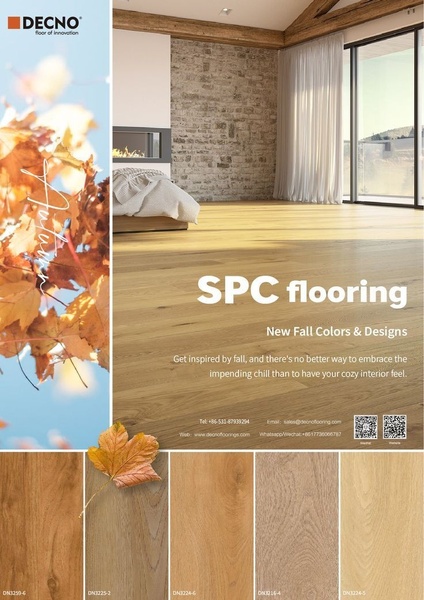
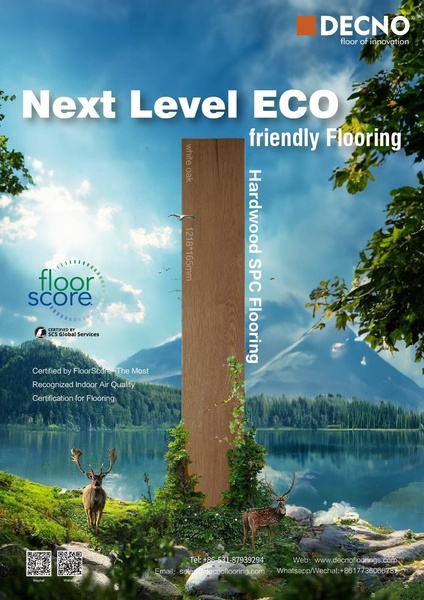
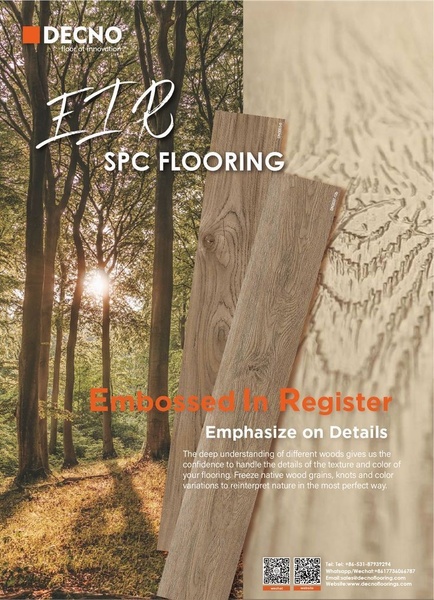
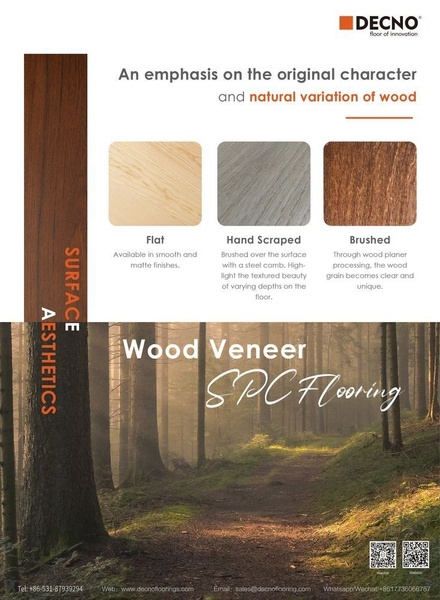
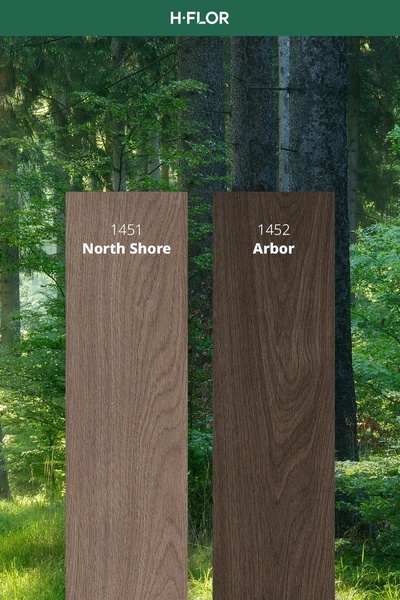
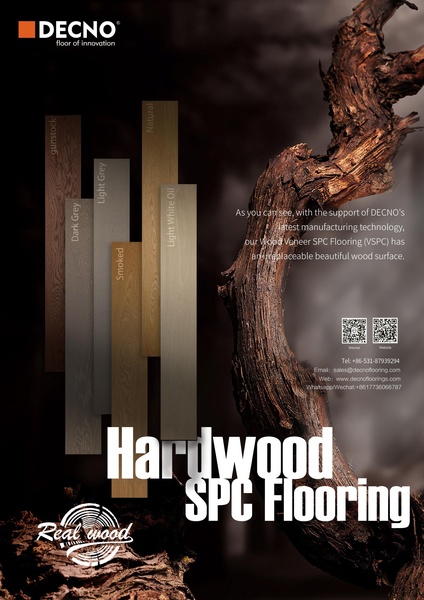
Three visual proof formats solve this. Nature imagery (a forest through the grain of a plank, a sunlit canopy behind a wood texture) answers "is this actually wood?" before the buyer asks - it signals that the material's character comes from somewhere real, even when the product is engineered.
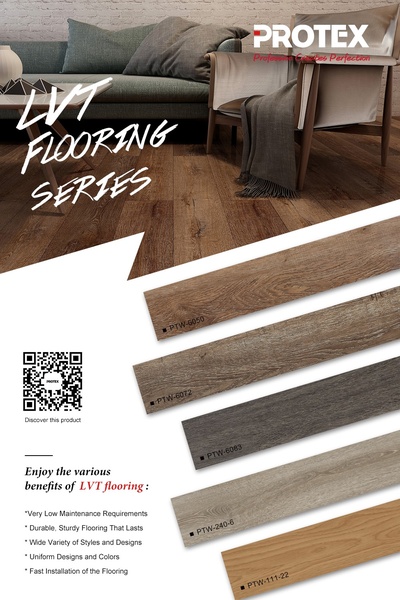
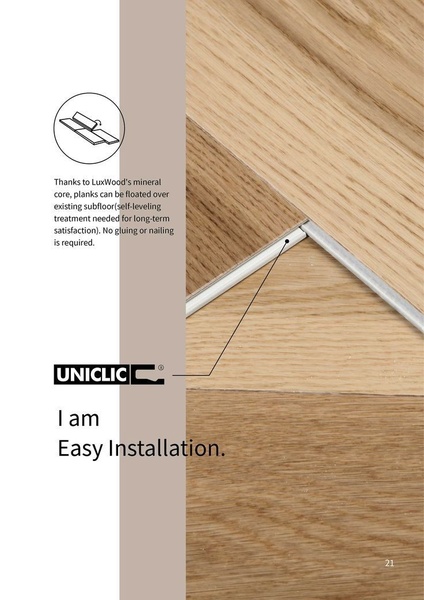
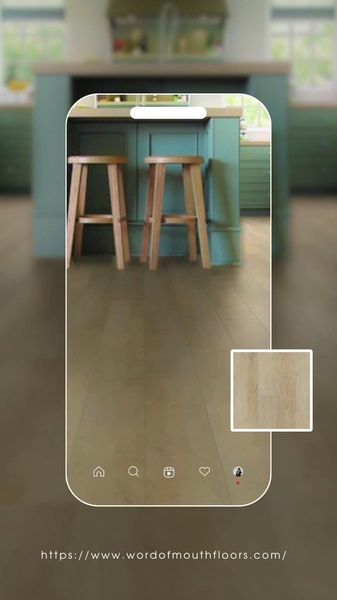
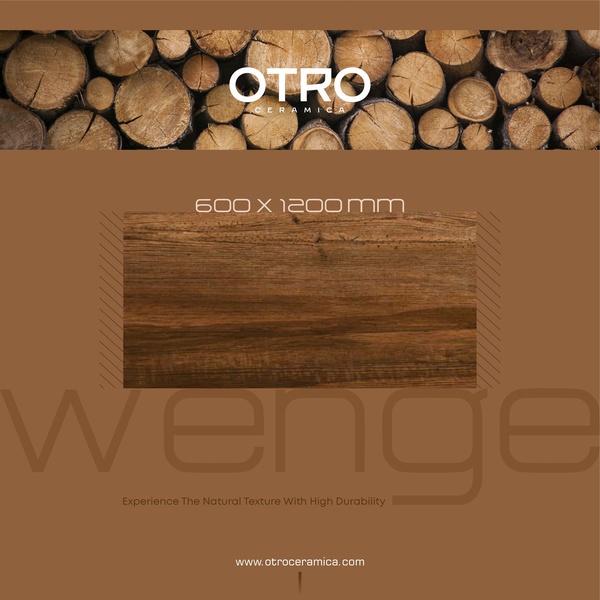
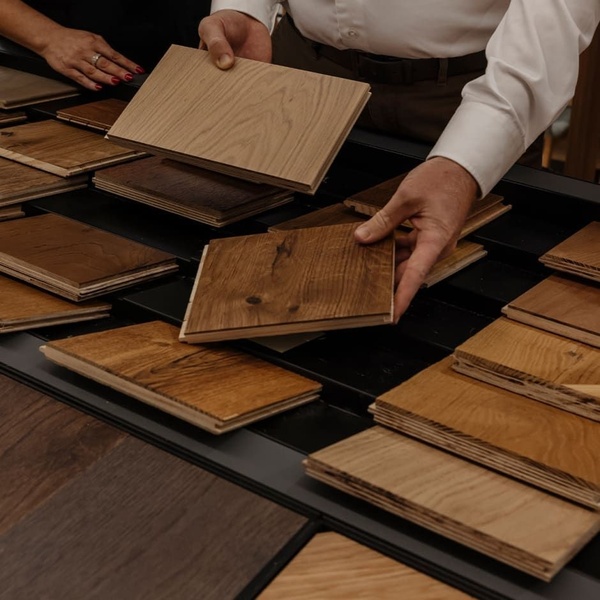
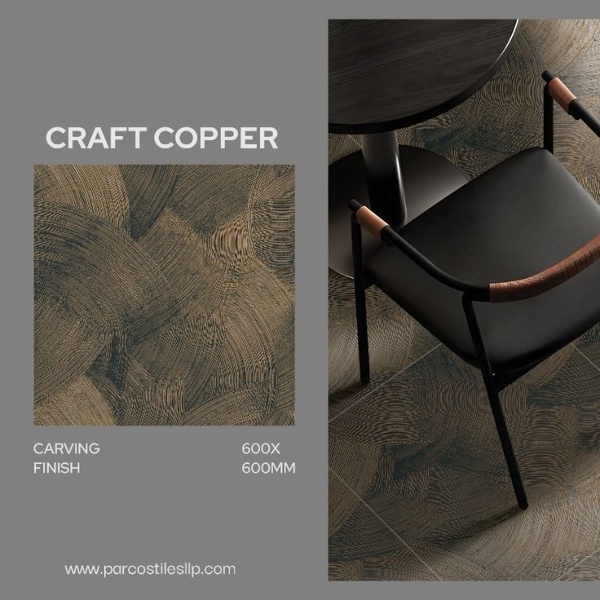
A grain or texture close-up proves craftsmanship and finish quality at a level the full-room shot can't show. The installed room shot proves scale - what a full floor of this material actually looks like in a space the buyer can recognize as a room like theirs. The ads that convert tend to use at least two of these three, not just one.
How Promer AI builds your flooring ad from material spec, finish story, and room context?
Getting the right proof format for the right buyer stage still leaves the headline, the claim structure, and the CTA unwritten. That's the part Promer AI handles from your actual product page rather than a blank brief.
Paste your product page and the AI reads it, pulling out the material type (SPC, LVT, hardwood, vinyl), the surface finish and texture name, the durability and waterproof credentials, and the color variants being featured. It then writes the headline, body, and CTA on top of the winning structure you picked. Review every spec claim before it runs - generated creatives can have mistakes - and confirm all technical details match your current product listing.