



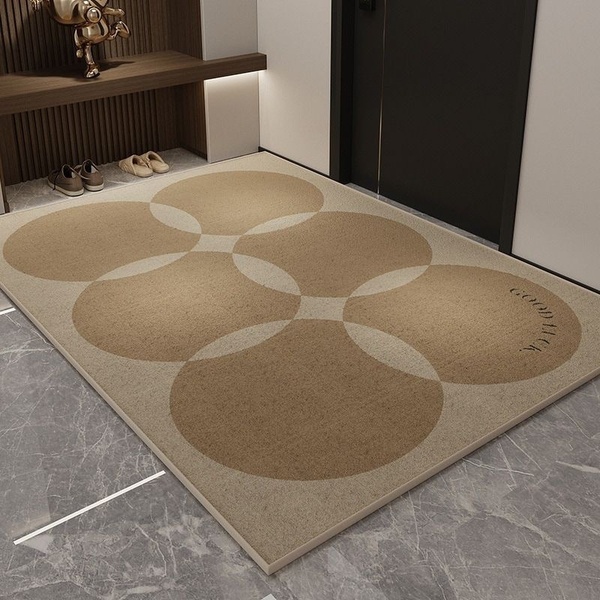
A rug anchors the room - and the ad has to prove it fits before the buyer orders
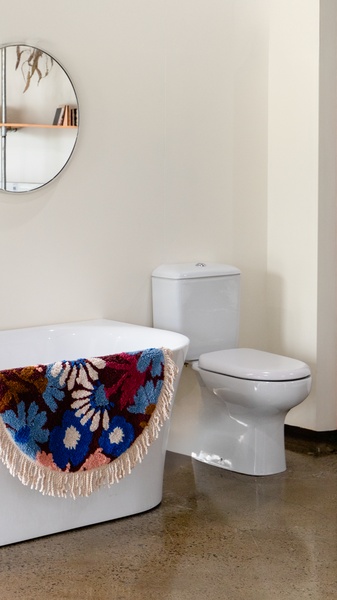
Unlike furniture, which fills a room, or hard flooring, which becomes the room, a rug defines a zone. It draws the conversation area, grounds the furniture arrangement, and tells the room what its design personality is going to be. A rug ad has one job before everything else: make the buyer believe this specific rug belongs in their specific space.
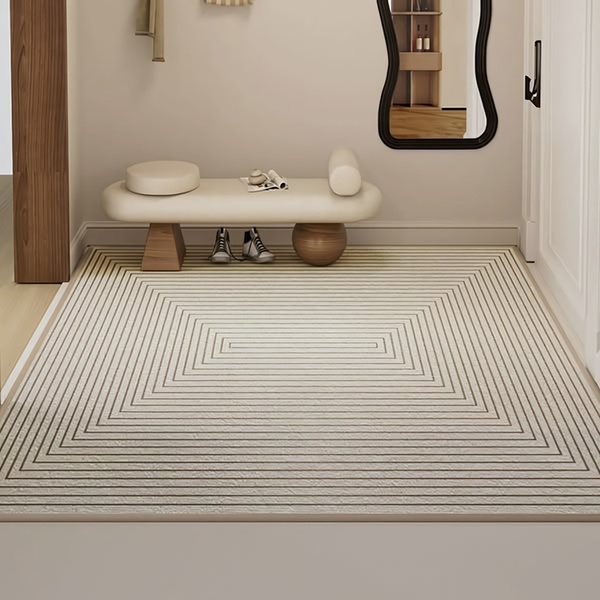
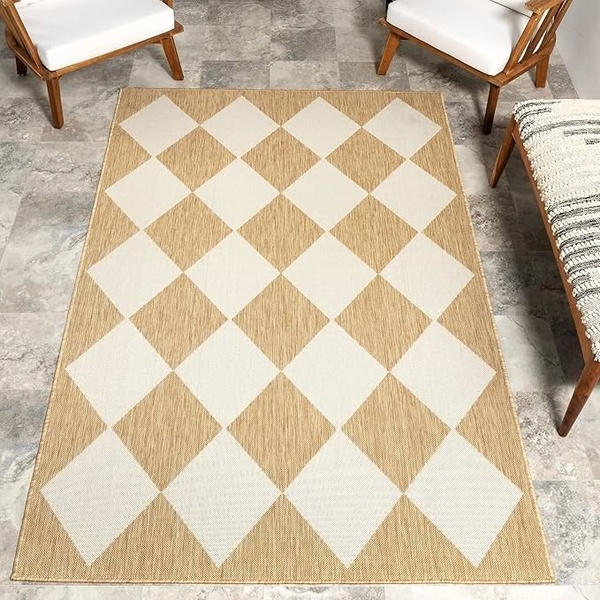
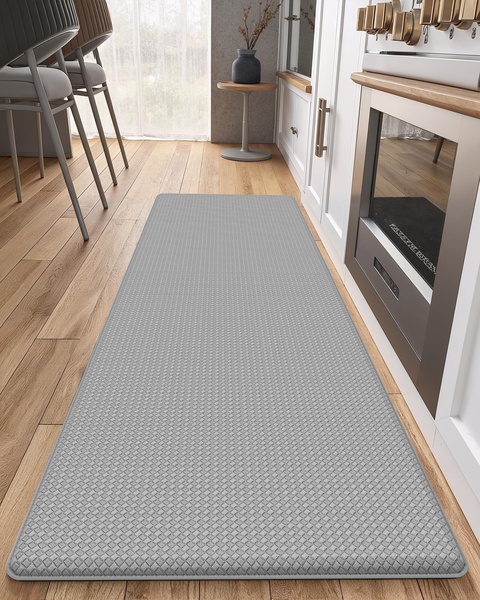
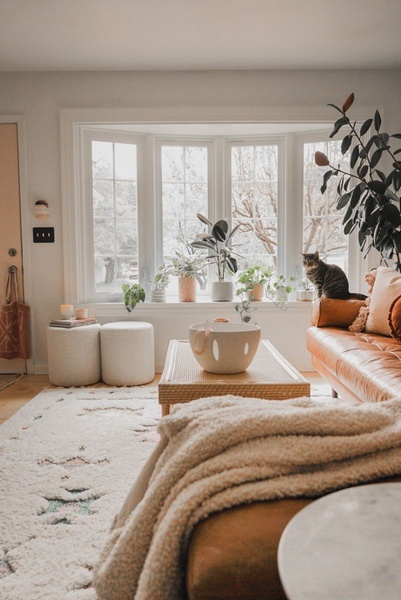
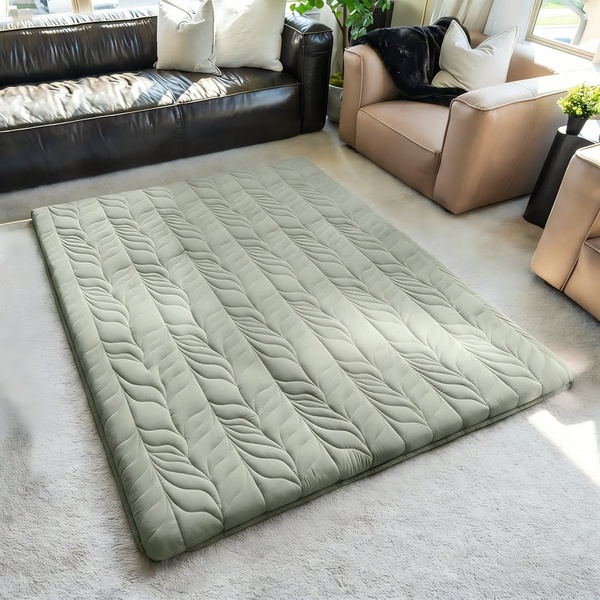
The problem is size. Rugs are one of the most returned home products because they look smaller online than they do - or larger - in the actual room. A lifestyle shot that shows the rug under a sofa, in natural light, with scale references a buyer can read (table leg, floor gap, room proportion) does the work a flat product image on white never can.
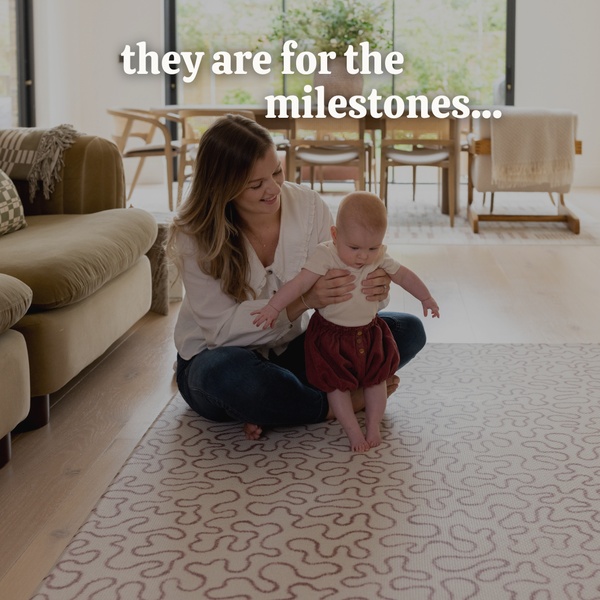
The room-in-use shot also unlocks an emotional register that flat product photography closes off. "They are for the milestones" - a rug in a nursery, a rug where the family gathers - converts because it reminds the buyer that a rug is not just a floor covering. It's the place where things happen.
How Promer AI builds your carpet ad from design, room function, and size story?
Knowing which proof format to lead with - room lifestyle, size context, design close-up, or seasonal offer - still leaves the headline, the claim, and the CTA unwritten.
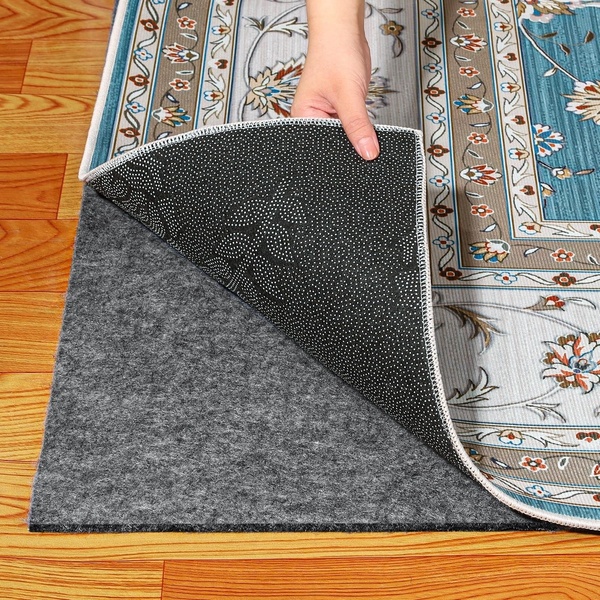
Promer AI handles that from your actual product page rather than a blank brief. Paste your product page and the AI reads it, pulling out the rug's pattern, the room type it fits, the size range, and the key feature (non-slip, washable, seasonal colorway). It then writes the headline, body, and CTA on top of the winning structure you picked.
Review everything before it runs - generated creatives can have mistakes.