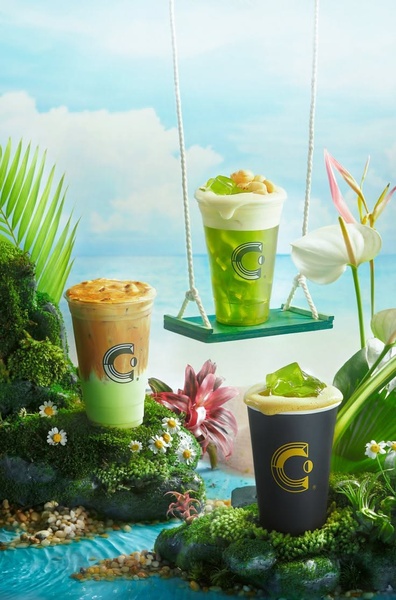
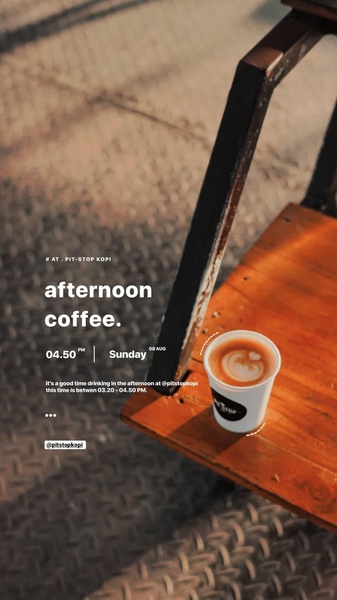
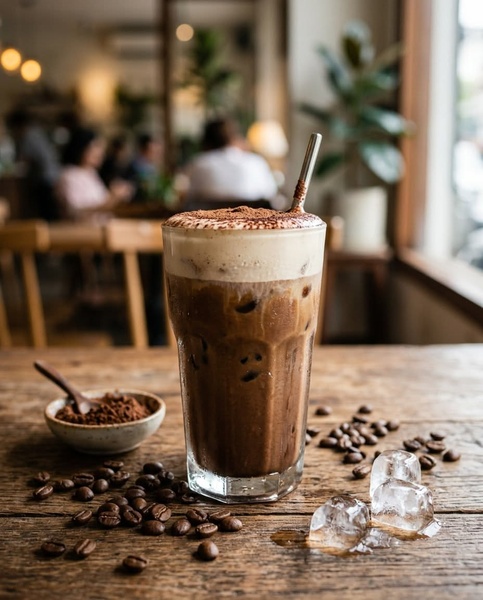
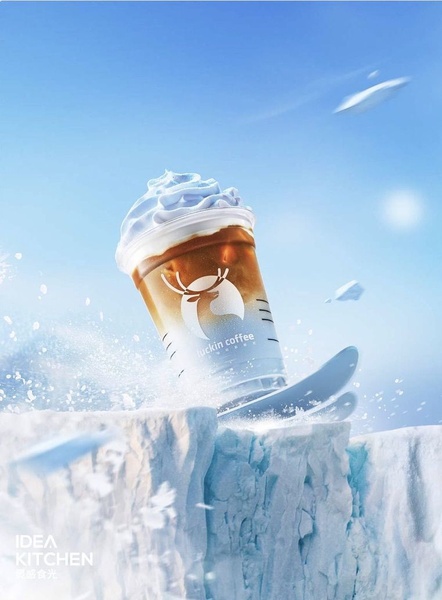
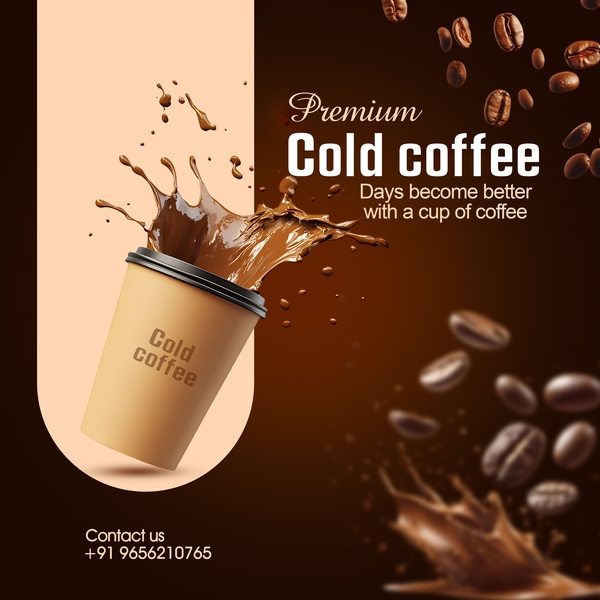
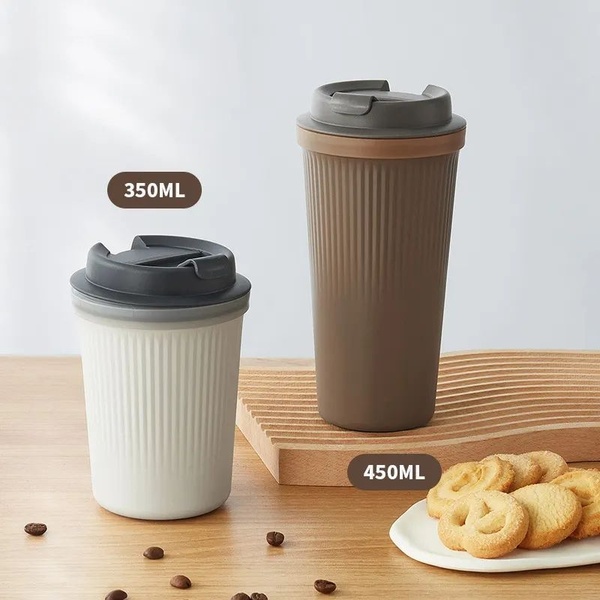
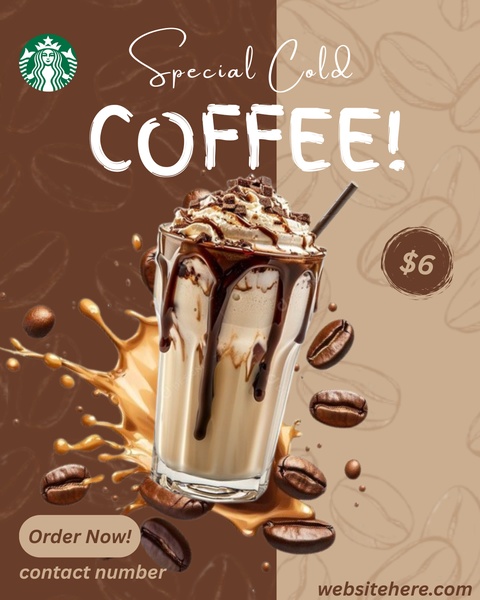
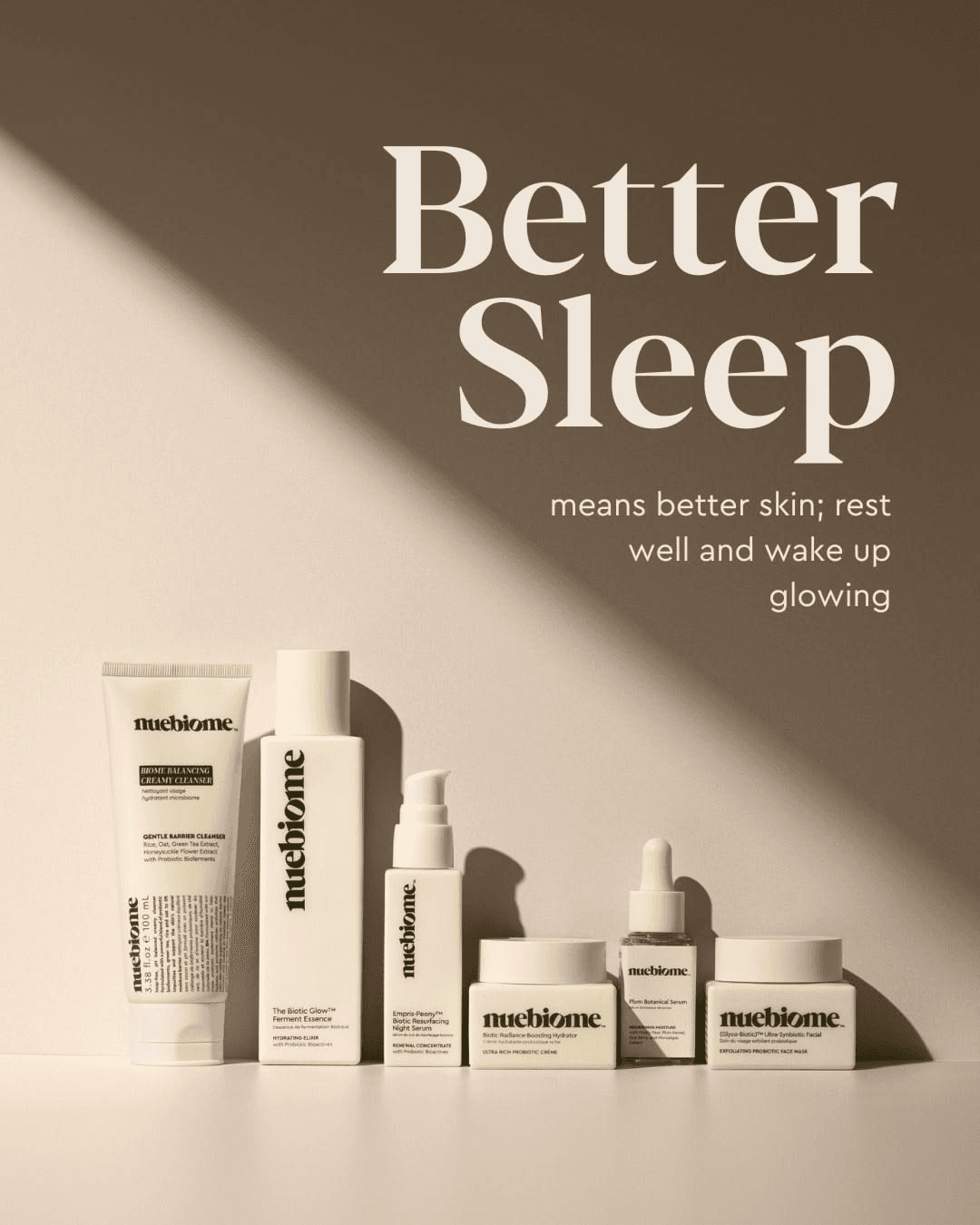
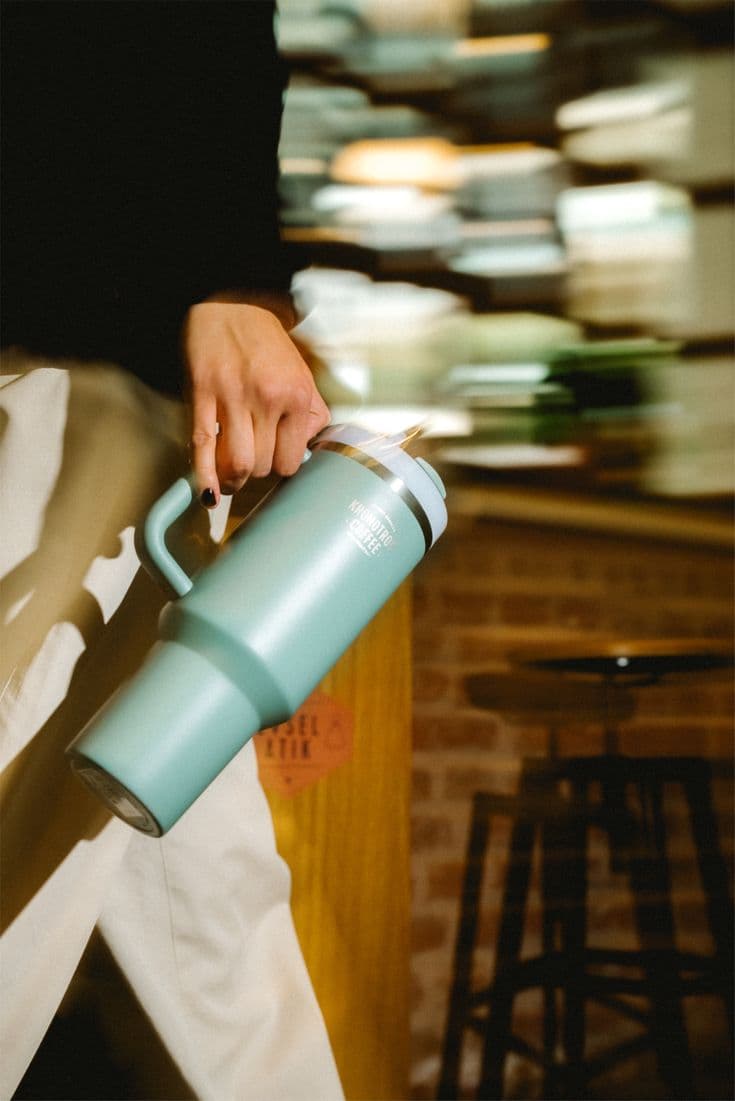
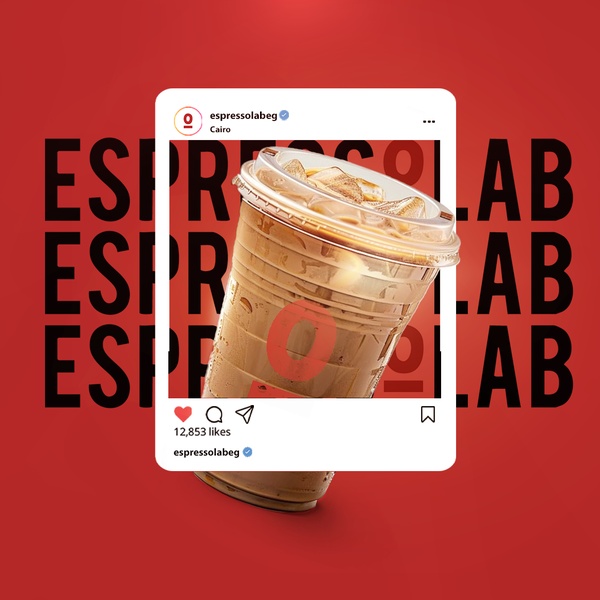
Real coffee shop and roastery ads, tagged by the format doing the work - before/after the first sip, testimonial, offer-led - so you brief your next batch from what's already converting, not a blank page. Promer AI reads your product and builds the ad for you.
It's a proven ad structure - the format, layout, and messaging behind a coffee ad that already converted - applied to your own product. In <strong>Promer AI</strong>, each template is tied to a real top-performing ad and a creative theme, and the AI generates the actual ad from your product context, so you start from a structure that worked, not a blank layout.
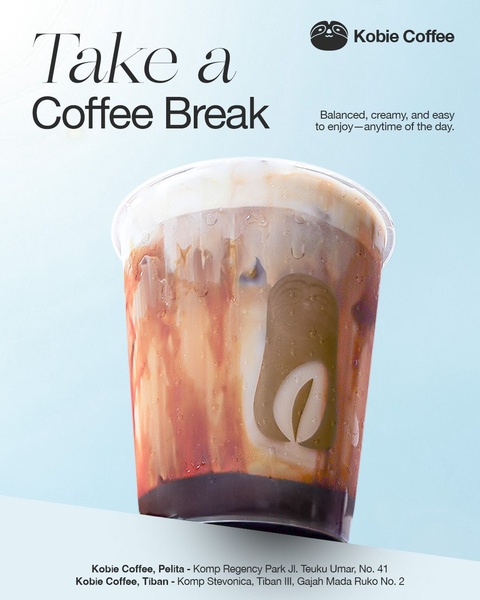
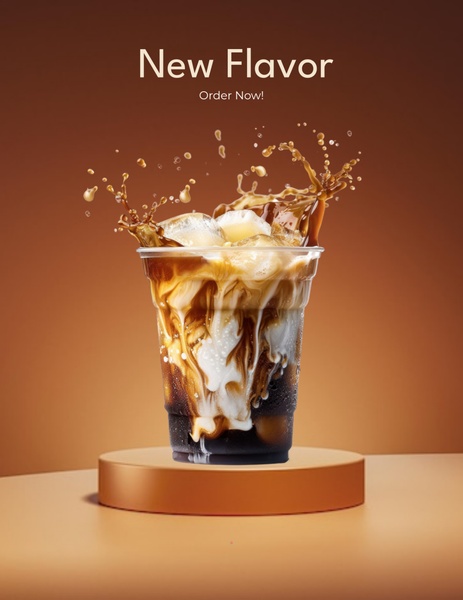
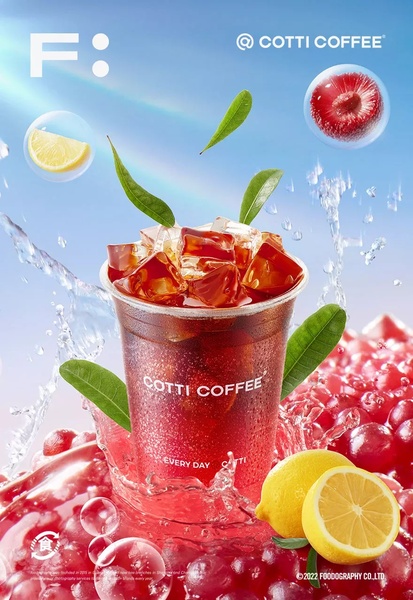
A specific, sensory visual cue - steam, a pour, a close crop on the drink - paired with one clear claim the customer can act on, like a seasonal flavor or a loyalty offer. Generic shots of a coffee cup with no context tend to underperform because they don't give the viewer a reason to choose this cafe or roaster over the next one.
Those tools hand you a blank, correctly-sized canvas and leave the hard part - what the ad should say and prove - to you. <strong>Promer AI</strong> works the other way around: the AI reads your product first, pulls your highlights, customer, and pain point, then generates the ad on top of a structure that already converted, so you're reviewing a finished ad rather than decorating an empty one.
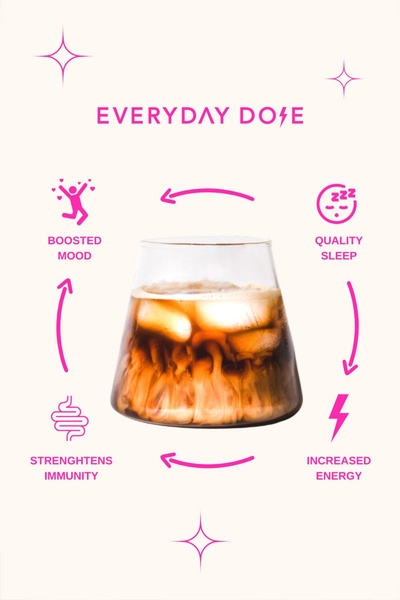
Yes. A cafe usually sells atmosphere, community, and a daily routine, while a roaster sells origin, process, and craft - so the proof points and creative themes that work differ even though both are coffee. <strong>Promer AI</strong> organizes winning ads by creative theme - Feature & Benefit, Testimonial, Before & After, and more - so you can pick the structure that matches what you're actually selling.
Offer & Sale and Bold Claim structures tend to perform best for time-bound moments like a seasonal drink, a grand opening, or a buy-one-get-one promotion, because the message is built to drive action by a deadline rather than build a brand over time. The underlying structure stays proven while the product, copy, and dates change each season.
Copy that names the specific drink, offer, or moment - "Pumpkin spice is back" beats "Try our new drink" - and a CTA that states the next step in the customer's terms, like "Order ahead" or "Find a location," tends to outperform a generic "Learn more." <strong>Promer AI</strong> suggests headline, body, and CTA text from your product context, which you can edit before publishing.
Neither wins by default - it depends on what you're proving. A static image is fast to produce and test, while a short video can carry the steam, the pour, or the texture in a way a still photo can't. <strong>Promer AI</strong> lets you start from a static winning template and use AI Ad Animation to turn it into an 8-second video, so you can run both from one structure.
Meta feed ads (Facebook and Instagram) typically run in 1:1 or 4:5, while Stories and Reels use 9:16 - and <strong>Promer AI</strong> generates creatives in platform-ready ratios so you're not resizing after the fact. Always confirm current specs in the ad platform before launching a campaign, since they're updated from time to time.
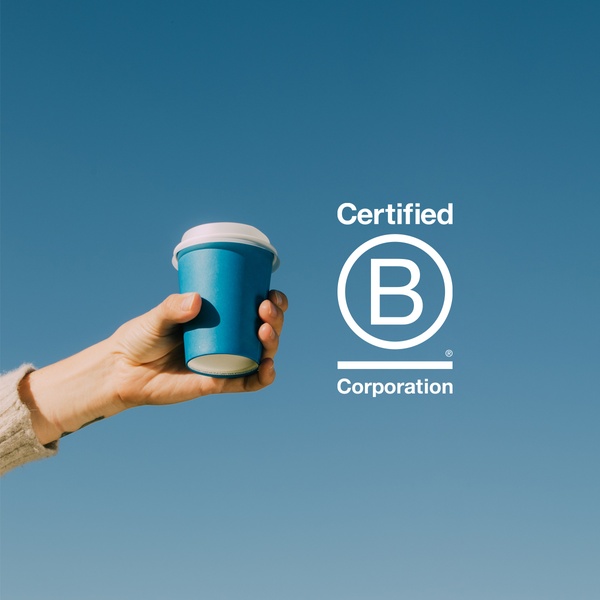
Claims like "organic" or "fair-trade" generally need to be backed by an actual certification, since platforms and regulators can require substantiation for specific sourcing claims. This isn't legal advice - confirm your certification status and current platform ad policies before running a campaign built around that claim.
You can create your first ad free, with no credit card required. For current usage limits and what each tier covers, check the pricing inside the app.
Promer helps you find the pattern, adapt it to your product, and create your own version in minutes.