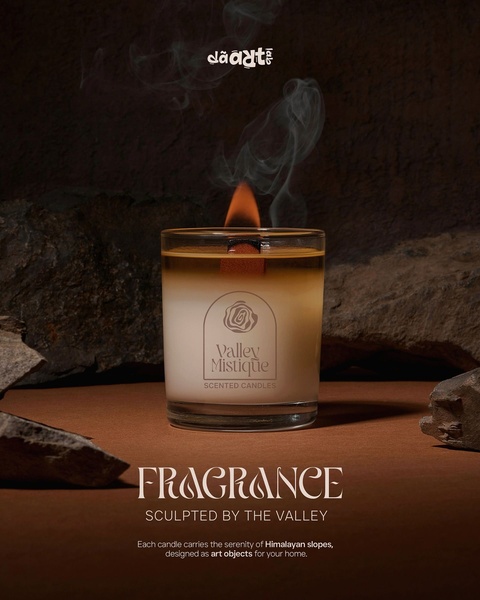
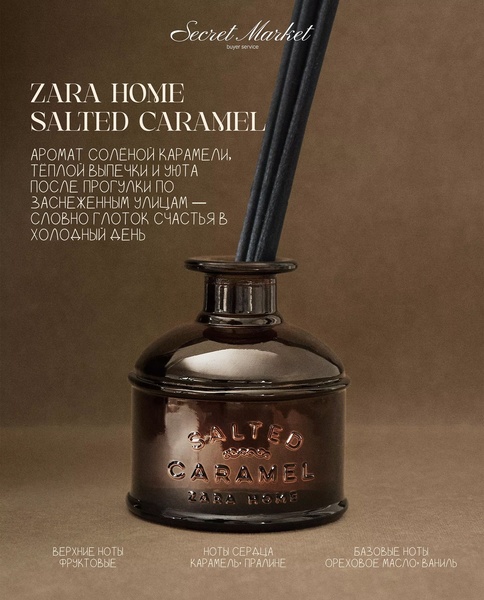
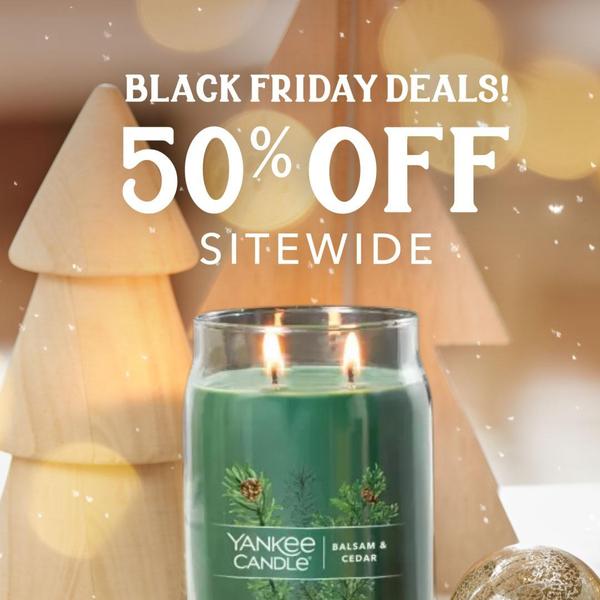
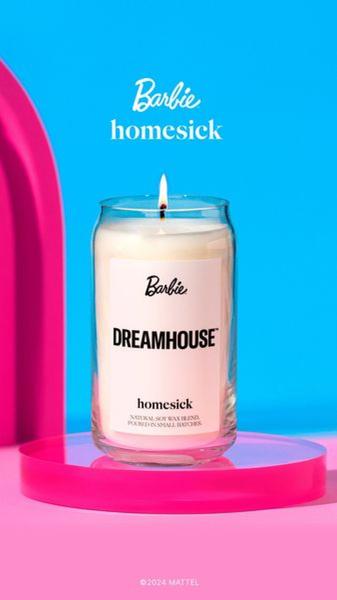
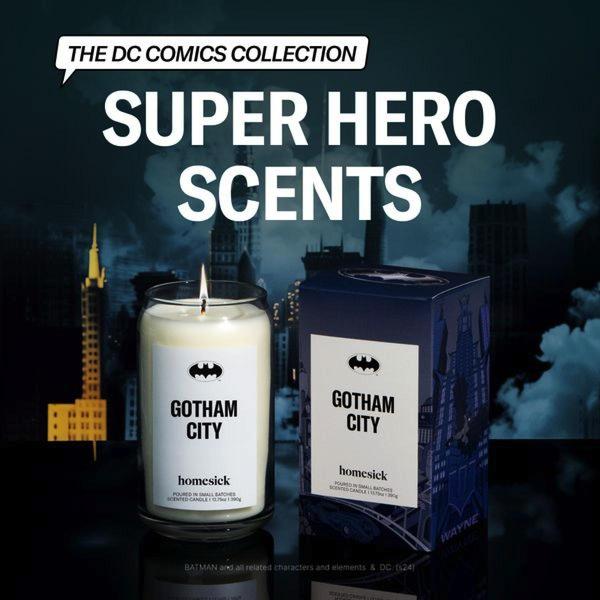
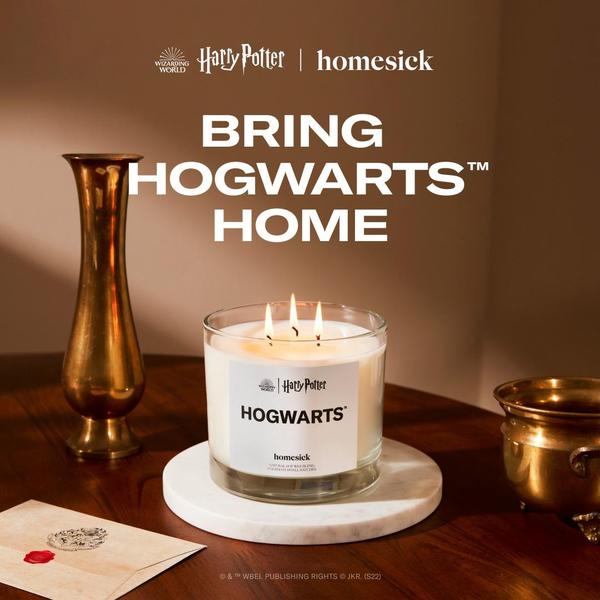
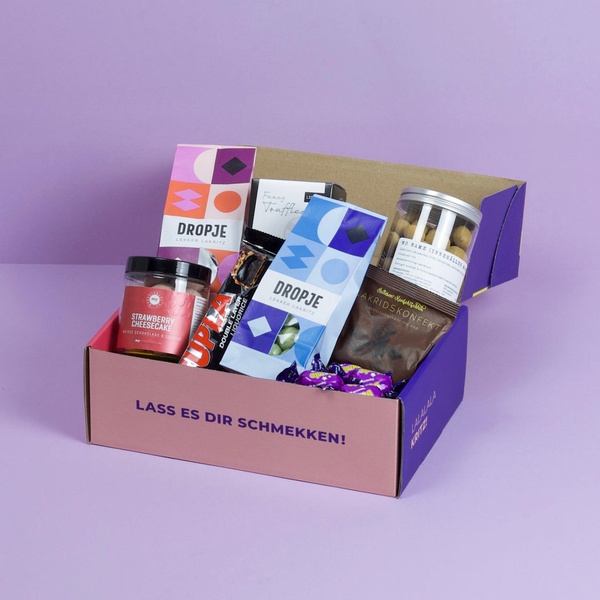
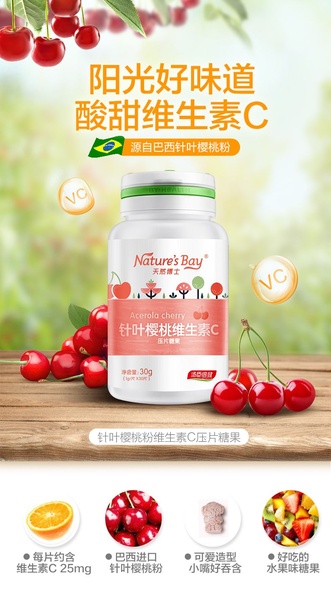
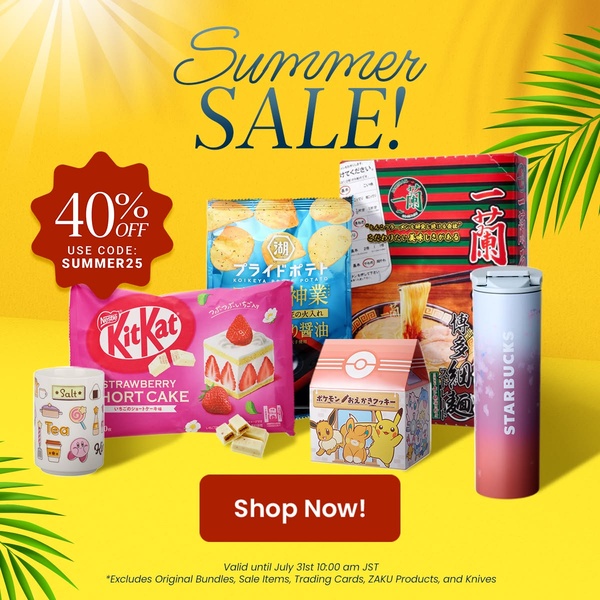
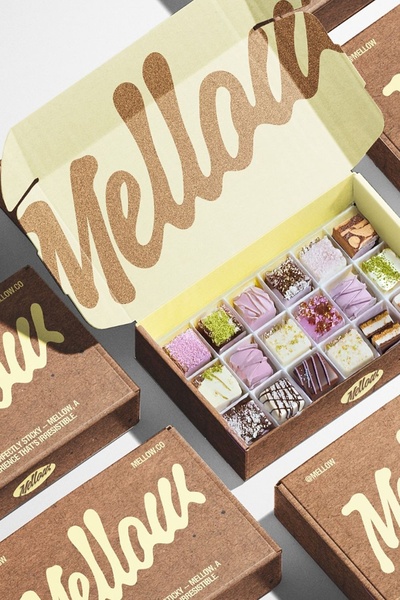
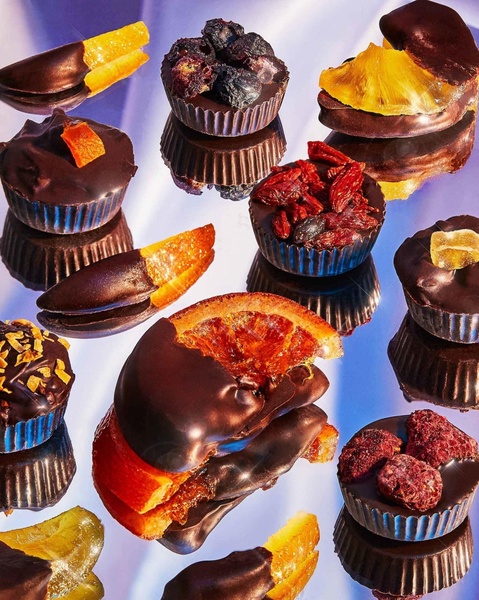
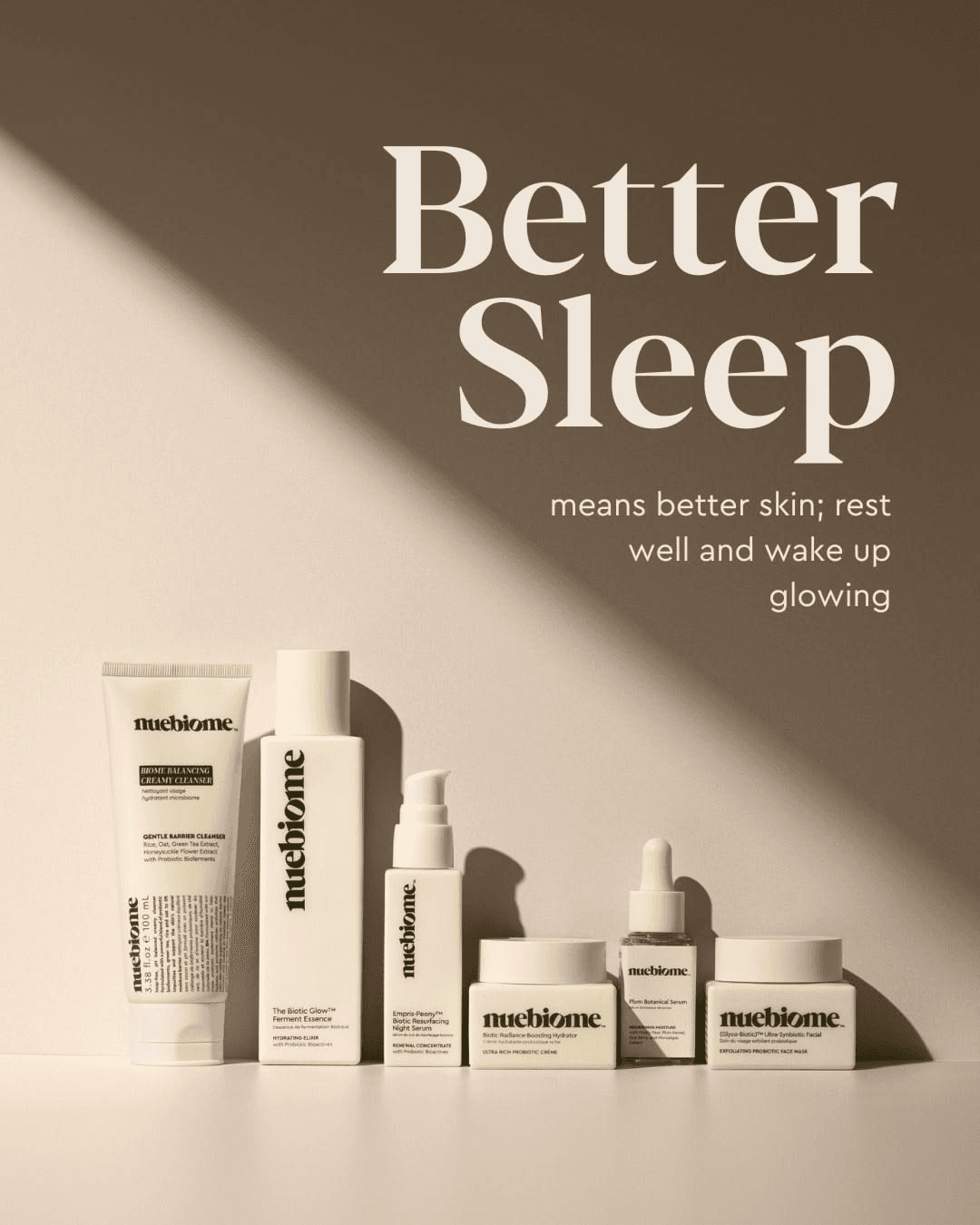
Real candy and chocolate ads - seasonal sales, bold claims, texture-driven product shots - tagged by the format doing the work, so you brief your next campaign from what's already converting. Promer AI reads your product and builds the ad for you.
It's a proven ad structure - the format, layout, and messaging behind a candy or chocolate ad that already converted - applied to your own product. In Promer AI, each template is tied to a real top-performing ad and a creative theme, and the AI generates the actual ad from your product context, so you start from a structure that worked, not a blank layout.
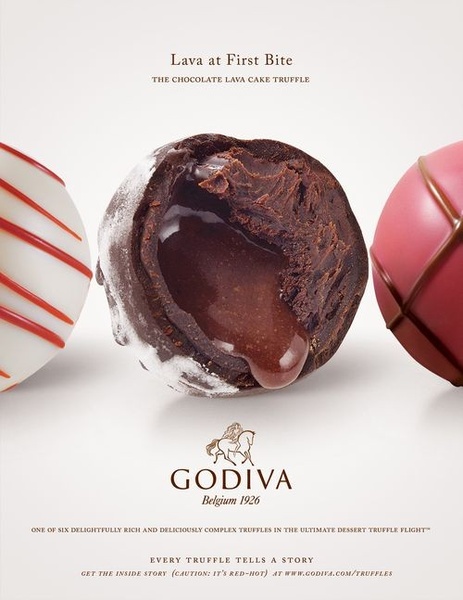
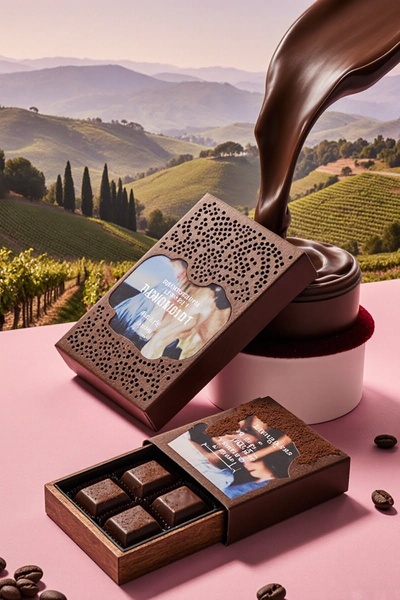
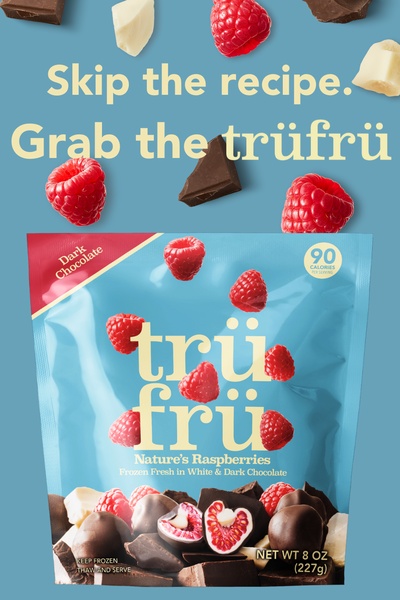
Product Hero (a dramatic texture shot - a pour, a break, a close crop on the melt), Offer & Sale (seasonal discount, promo code, limited-time deal), and Bold Claim (a strong, wit-led headline that matches the indulgence mood) show up most in top-performing candy and chocolate ads. Problem & Solution with a playful angle also converts well for impulse-buy confectionery. Promer AI organizes winning ads by all nine creative themes so you can match the structure to what your product leads with.
The visual has to create the craving before the copy does any work - a texture shot that makes the product feel tactile, not just visible. Once the scroll stops, the copy has to match that energy with wit, an offer, or a specific flavor detail that turns appetite into a click. A generic "delicious chocolate" line with a flat packaging shot does neither.
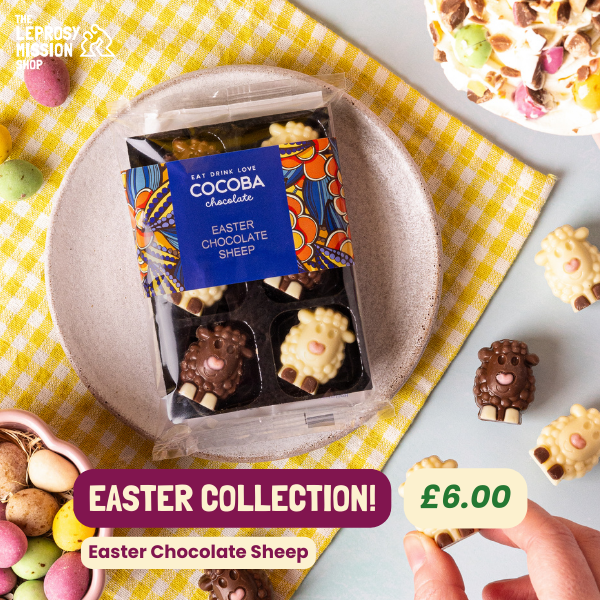
Seasonal moments - Easter, Valentine's Day, Halloween, Christmas, back to school - are the highest-converting windows for candy and chocolate, because the occasion creates a natural reason to buy now. Start from an Offer & Sale or Bold Claim structure and rebuild the same proven format around the seasonal product and message, rather than designing a one-off creative from scratch each time.
Yes. A mass-market candy or chocolate ad usually leads with price, a seasonal deal, or an impulse-buy offer. A premium or artisan chocolate ad tends to lead with origin, ingredient quality, or craft - the "nothing to hide" angle - because the buyer is paying a premium and needs a reason that holds up past the first craving. The proof point is different even though the texture visual stays important in both.
Video is especially effective here because it can show the pour, the melt, or the snap in motion - the exact sensory proof a static image approximates but a video delivers directly. Static still works well for offer-led and seasonal ads where the deal is the message. Promer AI lets you start from a static winning template and use AI Ad Animation to turn it into an 8-second video, so you can test both from one structure.
Copy that names a specific flavor, texture detail, or occasion - "dark chocolate with coffee almond" beats "delicious chocolate" - and a CTA that matches the impulse mood, like "Shop the Easter edit" or "Grab yours before it's gone," converts better than a flat "Buy now." Promer AI suggests headline, body, and CTA text from your product context, which you can edit before publishing.
Yes - the same Product Hero or Bold Claim structure can be rebuilt around a gifting occasion by swapping the copy angle from "treat yourself" to "the gift they'll actually want." Seasonal gifting ads (Valentine's, Christmas, birthday) are one of the highest-performing formats in this category, and Promer AI can generate the occasion-led version from the same product page.
Not if the visual and the flavor detail are specific. A proven structure with a generic visual and a "delicious chocolate" headline is still a generic ad. Apply a Brand Kit to push your logo, colors, and fonts automatically, and make the flavor, the texture moment, and the occasion specific in the copy so the ad feels like yours, not a placeholder.
You can create your first ad free, with no credit card required. For current usage limits and what each tier covers, check the pricing inside the app.
Promer helps you find the pattern, adapt it to your product, and create your own version in minutes.