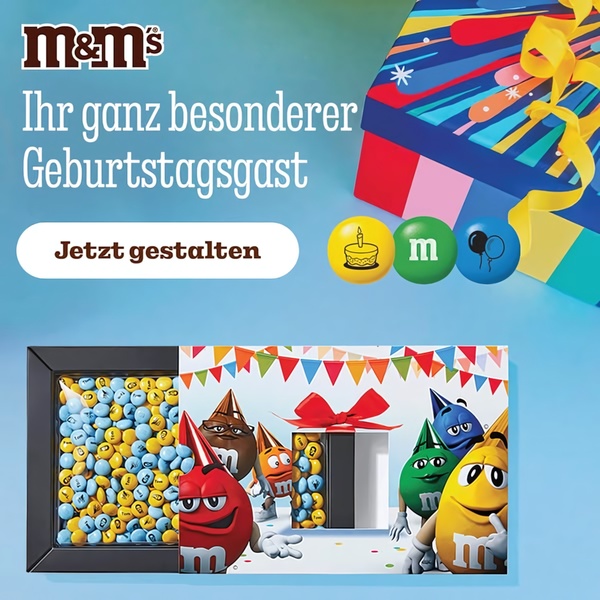
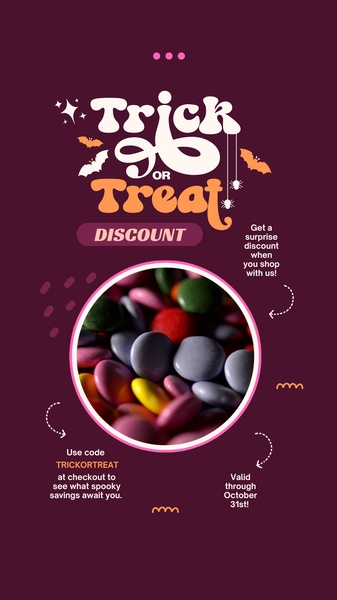
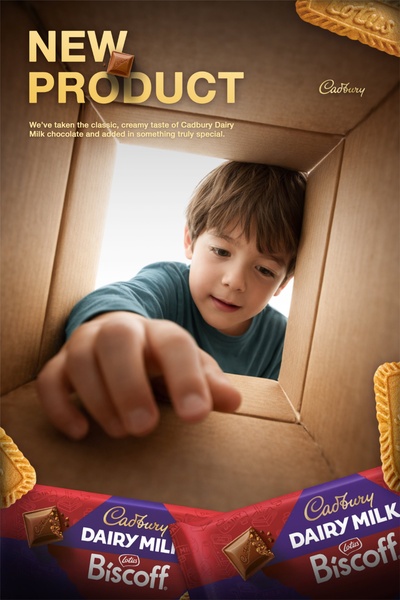
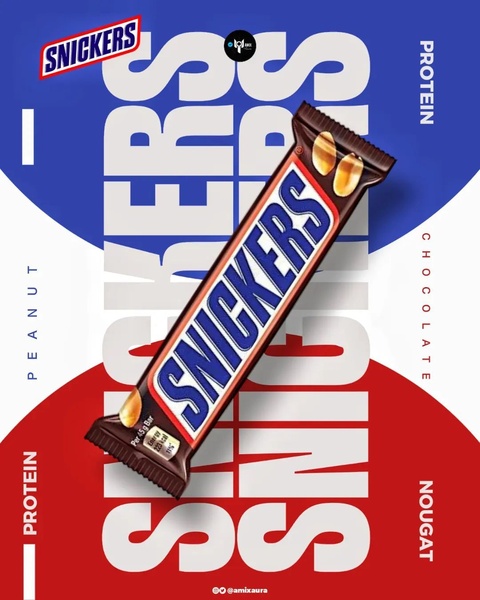
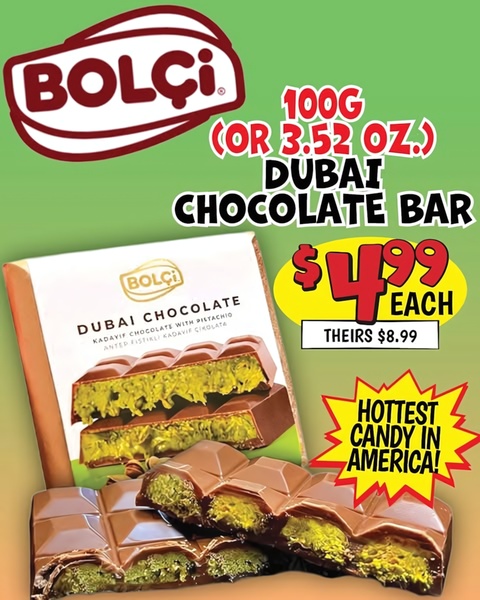
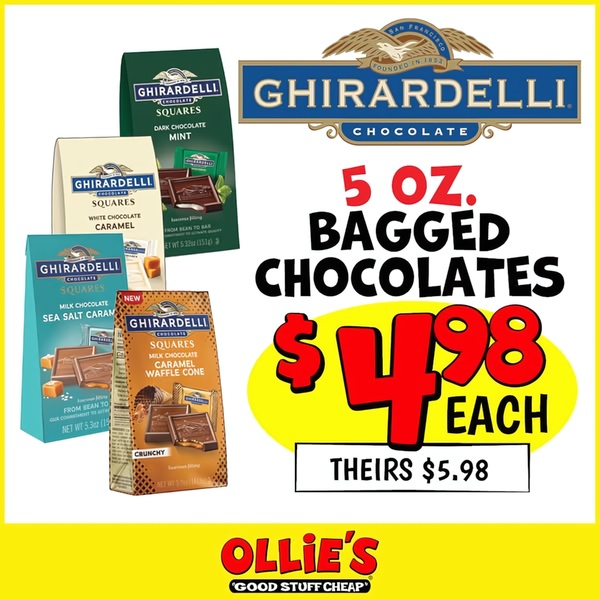
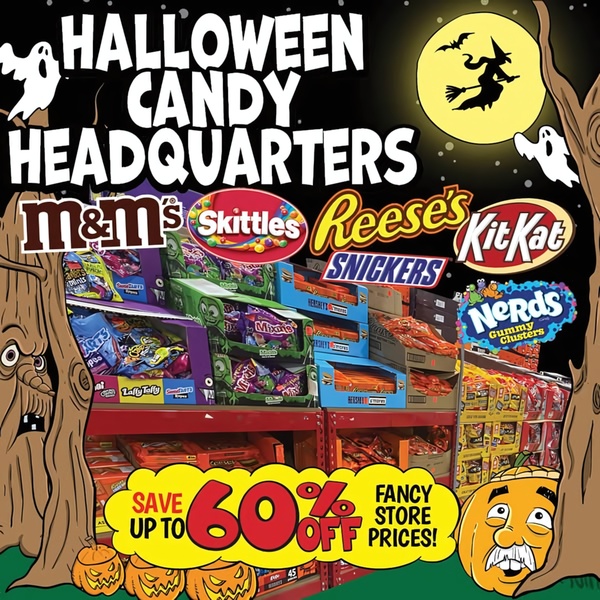
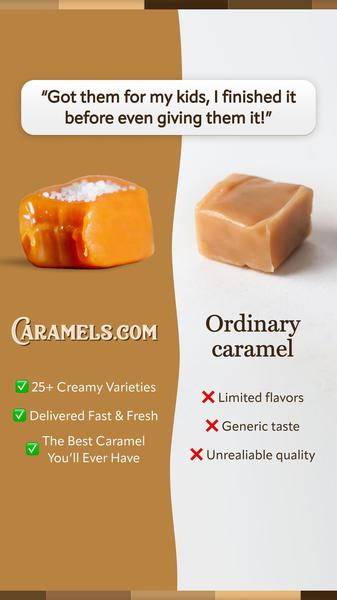
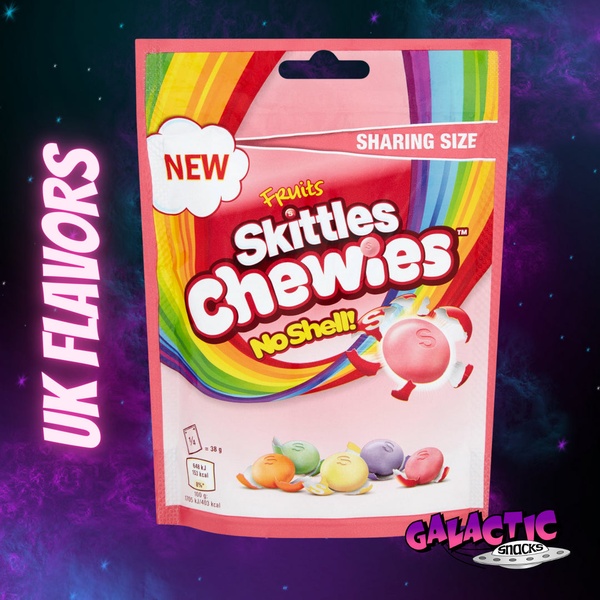
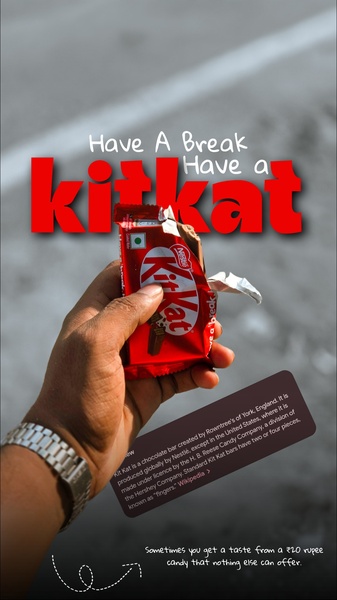
Why candy and chocolate ads live on texture, not just taste?
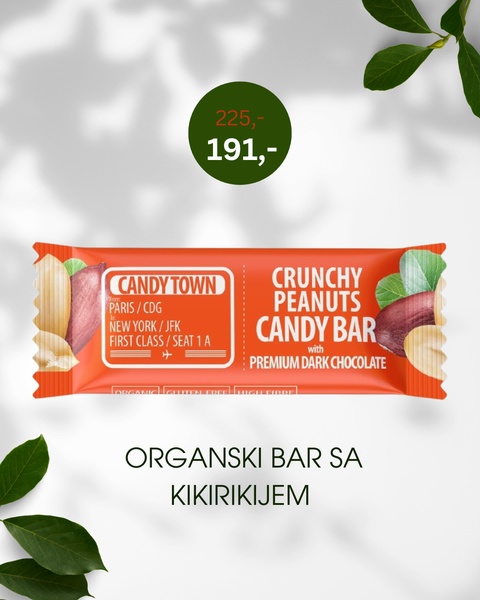
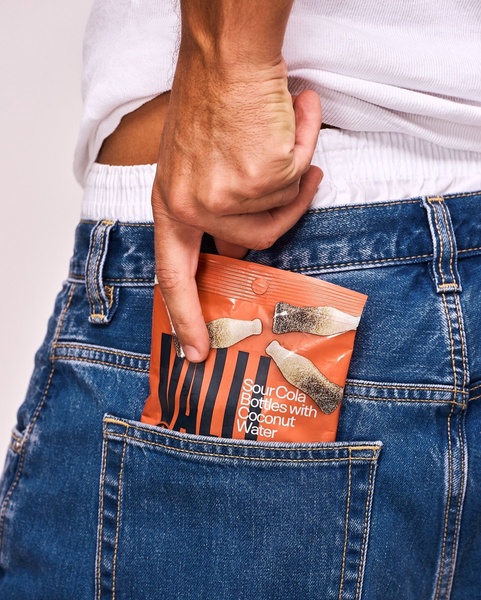
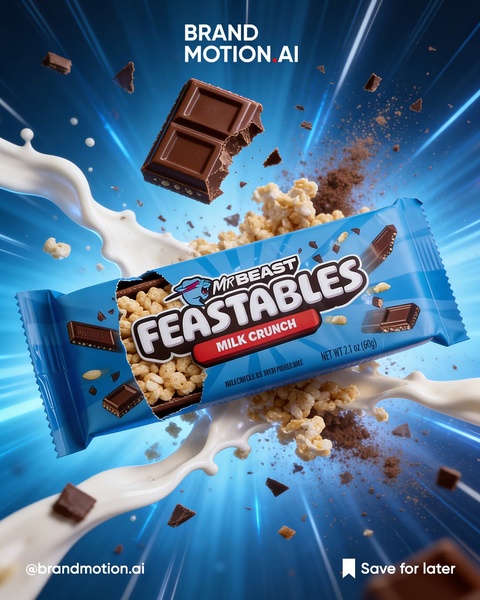
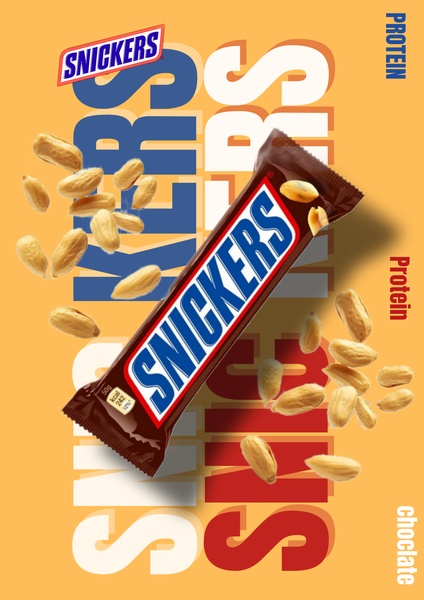
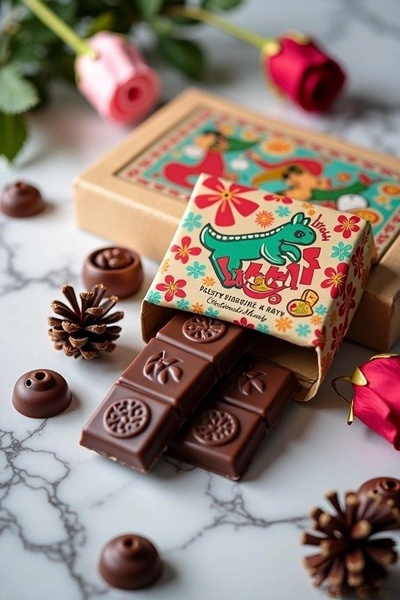
A candy or chocolate ad can't let the product speak for itself - it has to make the viewer almost feel the crack, the melt, or the crunch before they've touched the product.
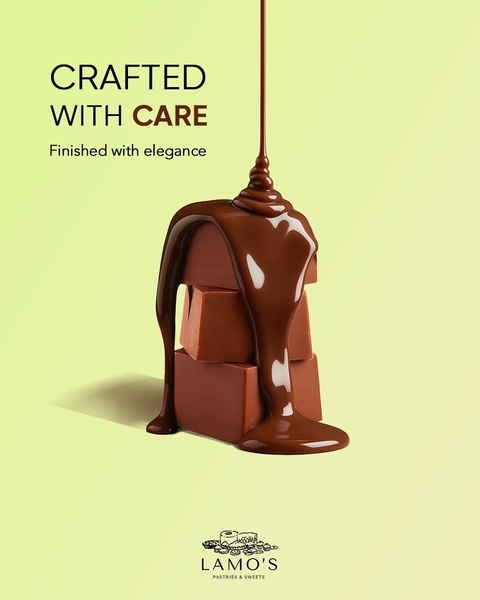
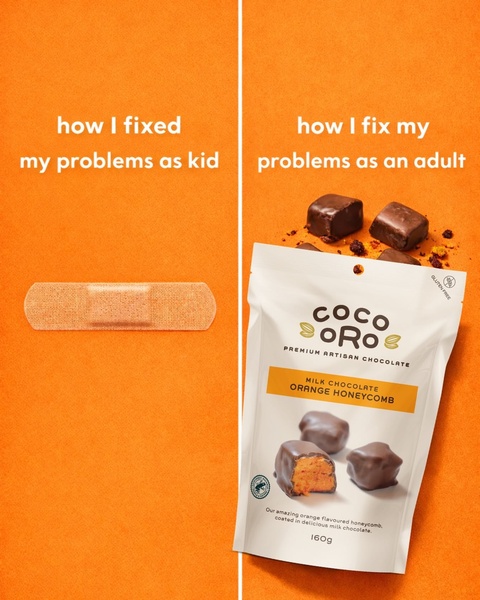
The texture shot is doing the job that a simple packaging photo can't: a chocolate pour mid-flow, a bar breaking, pieces flying - these aren't stylistic choices, they're proof that the product is worth the craving it's creating.
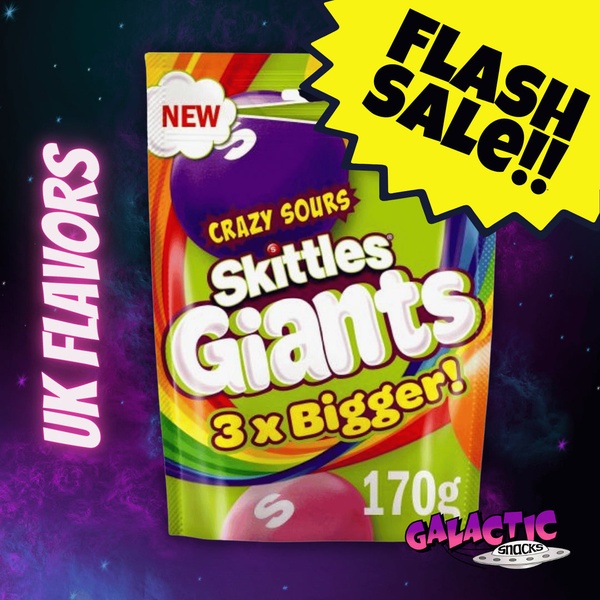
This is also one of the most impulse-driven categories in ecommerce. The buyer isn't comparing specs or deliberating over a purchase - they see it, they want it, and the ad has about two seconds to turn appetite into a click. That makes the visual the most critical element, but it also means the copy and structure underneath it have to match the energy: a Bold Claim or a Problem & Solution angle with wit tends to convert better than a straightforward feature list, because the buyer is in a mood for indulgence, not a product briefing.
What Promer AI builds from your candy or chocolate product page?
Knowing the right angle - texture-led, season-led, offer-led, or wit-led - still leaves the headline, the offer framing, and the CTA unwritten. That's the part Promer AI handles from your actual product page rather than a blank brief.
Paste your product page and the AI reads it, pulling out the flavor, the format, the ingredient story, or the seasonal hook, along with your ideal customer and their craving. It then writes the headline, body, and CTA on top of the winning structure you picked. Review everything before it runs - generated creatives can have mistakes - and make sure every price or offer claim matches your current listing before publishing.